
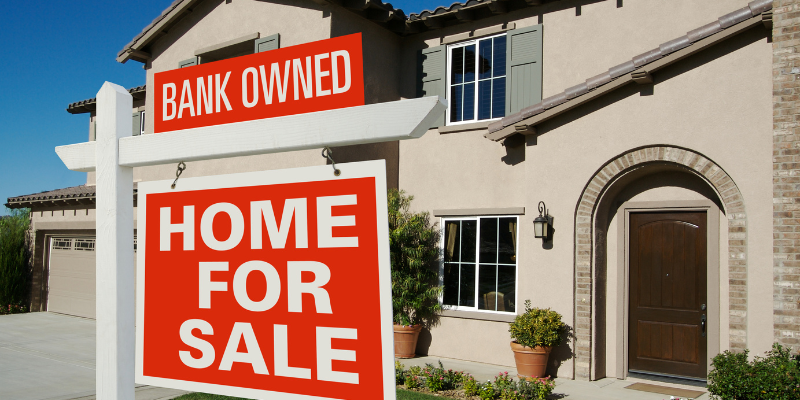
For homeowners in Dallas, Texas, selling distressed properties requires an understanding of the current real estate market, particularly its dynamics. Selling homes can depend on the market and seasonal trends. In some months of the year, homes can sell much faster, as the current selling conditions are more favorable. The questions in this guide and the answers it provides will examine whether distressed homes remain on the market for extended periods in certain seasons, as well as offer some tips for selling houses quickly. The Dallas real estate market can be explored, along with its associated risks. Learn about what the market may offer, understand how to sell it, and sell it efficiently.
Key Highlights
- Distressed homes often arise from financial hardships, leading to quicker sales if handled adeptly.
- Spring and summer are peak months for home sales in Dallas due to increased buyer activity.
- Effective marketing strategies, including MLS listings and digital advertising, enhance sale speed.
- Market conditions, including supply and demand, significantly impact home pricing in Dallas.
- Understanding seasonal trends enables sellers to optimize their sales strategies for quicker and more profitable results.
Understanding Distressed Homes in Dallas
Distressed homes in the Dallas area exhibit specific characteristics that confer both merits and disadvantages in the local housing and real estate market. Distressed homes emerge as a result of financial difficulty, including, but not limited to, a lack of mortgage payments, job loss, or a sudden expense. Distressed homes will, almost always, need updating and/or repairs. The condition of a house will determine the selling price, although market conditions and buyer desire have a notable influence. Knowing the characteristics of a distressed home, mortgage foreclosures, or significant neglect of the house will help both sellers and buyers understand their position.
The distressed homes will sell or not sell at a specific rate, and that will determine the market strategies (positive or negative) that sellers and buyers will employ for the homes. Competing pricing and directed improvements remain notable to sellers, and buyers still view homes as investments, with incomes still being a noteworthy consideration for sellers. Investing significantly, the Dallas housing market can be easier to navigate when advanced knowledge of distressed homes is at hand.
House Buying Girls specializes in helping Dallas homeowners navigate distressed property situations with speed, transparency, and customized solutions. Whether you’re facing foreclosure, probate challenges, or significant repair needs, we buy houses in Texas, offering fair evaluations, quick cash offers, and a streamlined closing process.
What Defines a Distressed House?
In the Dallas real estate market, a distressed home typically indicates a property under financial strain, often at risk of foreclosure. These situations can arise from missed mortgage payments, financial insolvency, or a sharp decline in property value. Distressed homes are frequently in need of repairs or updates, which can impact their appeal and overall marketability.
The major contributing cause for a home becoming distressed is often financial difficulty. When these homeowners are unable to maintain their property, neglect will inevitably occur due to normal wear and tear, and possible deterioration may result from a lack of structural repairs. However, properties in such condition will continue to draw interest and heavily enticed buyers, including property investors, at a discounted price with room to negotiate to their advantage. Thus, distressed properties have become a well-established segment of the Dallas property market.
There are times distressed properties come with legal problems, such as probate and disputes regarding property ownership. One must have a clear and firm understanding of the legal and financial standing, as well as all the elements comprising the home in question, to make educated choices. Because these transactions tend to be more sophisticated, assisting distressed property buyers and sellers with experienced and qualified real estate professionals helps ensure the transactions are executed without undue complication and with optimized outcomes for all parties involved.
| Definition | Conditions | Causes | Impacts | Strategic Approaches |
|---|---|---|---|---|
| Properties in poor condition, often with financial issues | High foreclosure rates, extensive repairs needed | Economic downturn, job loss, and natural disasters | Decreased property values, community decline | Rehabilitation investment, strategic marketing |
| Homes sold below market value | Long periods on the market, legal complications | Owner’s financial instability, negative equity | Investor opportunities, potential for homeowner loss | Short selling, auction participation |
| Properties acquired by banks | Occupied or vacant, potential structural issues | Mortgage default, lender repossession | Buyer’s market, increased bank inventories | Partnerships with financial institutions, wholesale investing |
This table provides a clear overview of how distress factors and strategic insights apply within the Dallas real estate market.
Common Reasons Homes Become Distressed

Overcoming obstacles within the Dallas market hinges on understanding the problems Dallas home-owners face. There are many reasons why Dallas’ distressed properties are held. The primary reason Dallas homeowners become distressed is financial. Homeowners are typically at risk of foreclosure (and thus lose their home) due to job loss, unforeseen medical expenses, or other economic crises. These homeowners are at financial risk due to missing mortgage payments. Because of these factors, the Dallas home is often weak in the market (i.e., distressed over properties). Home loss is never an easy cross to bear.
Distressed real estate is also increasing due to a decline in the economy. Homeowners may become “underwater,” which means they owe more on the mortgage than the home is worth. This situation forces the owner to incur a financial loss by selling the house to avoid a larger loss. A stagnant economy, shifts in market participants, and general economic uncertainty exacerbate all of these obstacles.
The condition of the property also plays a significant role. Deterioration of homes may occur due to under-maintenance. When homeowners can’t or don’t invest in maintenance, their homes may suffer from a loss of appeal, a reduction in market value, structural issues, or neglected upkeep. All of these issues can make homes in Dallas more challenging to sell. In a competitive market, too, buyers have plenty to choose from and are more likely to expect homes to be move-in ready.
Distress can also be the result of life changes: divorce, death, or complications due to the law. Rapid estate sales are often necessary to finalize these agreements. Other factors, too, can drive the distress of a property, such as changes in the local economy or real estate policies. Understanding these factors enables buyers, sellers, and real estate professionals to work more efficiently with distressed properties. In Dallas, distressed properties can be especially complicated. Making a choice is much easier with a good agent, and these properties can be handled more efficiently.
The Impact of Seasonal Trends on Home Selling
Numerous factors continually influence the real estate market, and seasonal trends are among the most significant. Certain times of the year can significantly impact how quickly homes sell and at what price. In Dallas, Texas, these seasonal shifts provide especially valuable insights into the performance of distressed properties, where timing can play a significant role. Selling a home and determining when it will generate interest allows sellers to understand homebuyers’ buying cycles and helps homebuyers know when a home will be favorable to buy.
Dallas buyers and sellers can have the most favorable buying and selling experience when they understand the buying behavior and cycles of Dallas home buyers. Sellers can use peak times to sell their home for the best profit, and buyers can use off-peak times to get the house at a lower price. Sellers can sell their homes quickly, and buyers can purchase them at a lower cost. With the use of closing season margins, buyers and sellers of homes can have a more favorable experience.
If you’re navigating seasonal market shifts or dealing with a distressed property in Dallas, our team is here to help. Contact us today for a fast, fair, and flexible offer tailored to your situation. We make the process simple—from evaluation to closing—so you can move forward with confidence.
Do Different Seasons Affect How Homes Sell?
Seasonal and cyclical patterns of buyer activity influence the Dallas real estate market. The seasons dictate the pace and success of the sale, with spring and summer being the peak seasons. More buyers are active, demand is higher, and offers are more competitive. The weather is nice, so sellers are more engaged in home showings, which leads to higher sales prices and quicker closing times. The active periods for buyers in the home market, spring, summer, and fall, help to sell homes at a higher price and at a faster pace.
Listing a home in the fall and spring also helps receive higher prices faster. The market sees a milder slowdown in the fall, but with fewer competing sellers, listed homes are more easily noticed. Active buyers are more motivated to purchase a home and often close before the holidays or the new year. The cold winter and holidays bring the slowest sales and calendar activity, but they also attract more serious and engaged buyers for homes. The slower activity in the home market means sellers can list a home and close the sale at a slower pace, with the guarantee of serious buyers in the area.
With distressed properties, these patterns add a layer of consideration. Homes that need to be sold tend to do better during high-traffic times. In spring and summer, there are more active buyers, which leads to quick and frequent offers. Buyers are more incentivized to make fast offers as there are more buyers in the market. Understanding these trends allows distressed property owners, as well as sellers of any other property types, to optimize their timing in selling, giving Dallas market sellers an added competitive edge.
Seasonal Trends in Dallas for Home Sales
The Dallas real estate market exhibits distinct seasonal trends that significantly impact home sales throughout the year, with a particular focus on distressed homes, mainly due to the local economic climate. The spring and summer months offer the most activity in the market. Sellers gain the most from the increased demand resulting from favorable weather and a buyer market due to shifts in the family school schedule.
The months from March to June show drastic increases in the number of listings and sales in the market. This increase in activity from buyers and investors leads to a rise in the number of listings. More access to homes leads to more buyers obtaining financing and buyers becoming more willing to complete a home purchase. Open houses are beginning to see increased activity and sales in the market. From a seller’s perspective, competition is at its highest; therefore, sellers need to stand out in the market with notable pricing and effective home marketing.
Fall is the season when activity starts to cool down, marking the beginning of the off-season. The market remains open to opportunities. As there are fewer home listings, home sellers can appeal to determined buyers who are trying to close deals before the end of the year. Upgraded homes, those that are more energy efficient, and better-maintained homes typically spend less time on the market, including more distressed homes.
Factors affecting market conditions in winter include cold weather as well as commitments associated with the holidays. Although activity from buyers is slower this time of year, well-priced and carefully presented homes can attract buyers. Little competition is another factor playing in the home’s favor. Deciding when to sell a property and understanding the slower, seasonal rhythm of the market can help make the sale a fast and efficient one.
Market Conditions and Their Role in Selling Your Home
Recognizing market conditions is essential to selling your home, as is the case in the fast-paced Dallas, Texas, market, where conditions are continually changing. Buyer demand is constantly evolving, as is the amount of inventory on the market, and the time of year can significantly impact the market. Selling at the right time and in the right way can increase the profitability and decrease the time it takes to sell your home. With the local market’s major indicators and neighborhood competition, a seller can predict pretty accurately what the market is demanding and adjust their sales approach to sell the home for increased profitability and a shorter time than average.
Adjusting to home price sell conditions in a demand market requires preparation and timing. Some of the indicators of a demand market in Dallas are increases in job growth, population, and changes in the mortgage rates. If the mortgage rates are low, the demand for homes increases. By considering all these factors, it is easier for a seller to bring home value to the market in a competitive way, attract quality and serious buyers, and maximize the home’s value.
Current Real Estate Market Analysis in Dallas
The Dallas real estate market presents both opportunities and challenges shaped by strong economic growth, steady population increases, and the overall appeal of the DFW area. Low unemployment and economic diversity continue to support buyer activity, keeping demand high—even for distressed properties. These conditions also make it possible to sell your house fast in Dallas and other cities in Texas, as competitive market forces often accelerate buyer interest and offer activity.
The busiest periods for buyer activity typically occur around the spring and summer months, when sellers are more likely to move their listings faster and receive enhanced offers. Yet, buyers’ anticipation and ability to afford homes are also affected by the volatility of interest rates, making astute pricing of homes a necessity. Buyers are also willing to pay more for homes located in areas of Dallas experiencing urban development, and to a greater extent, in neighborhoods close to major amenities and employment centers.
There is no disputing that the current tight market is an undersupplied seller’s market; however, timing and a neighborhood-specific strategy are both invaluable. Additionally, distressed property owners may also benefit from the high demand in these markets, thereby making the market more liquid. By utilizing pricing visibility and overall market position, along with some knowledge of the collateral market cycle, sellers in the Dallas market can significantly benefit from the market’s complexities.
How Market Conditions Can Influence Home Prices
Market conditions significantly influence the pricing of homes in Dallas, with supply and demand determining how properties are valued and sold. The robust DFW market, driven by steady economic growth and population growth, frequently results in higher demand and rising prices—especially in desirable neighborhoods. Sellers who list during favorable market cycles typically benefit from stronger pricing power.
Especially in spring and summer, there is typically high buyer activity and intense competition in the housing market during these peak selling seasons. Homes sold during these peak seasons tend to sell faster and at a higher price, especially during these periods. Sellers in these peak seasons can negotiate better price deals faster. In slower selling seasons, however, homes must be sold at a lower price to attract interested buyers. This is especially true for homes that require updates or those located in less competitive real estate markets.
The condition of a home is also crucial in determining its pricing and ultimate selling outcome. In homes that require repair or are in a distressed condition, the risk of financial loss for buyers is higher. In homes that are well-maintained, located in a thriving neighborhood, and in a desirable area, the property can receive a higher selling price offer due to the lower risk involved. Homes that are distressed and in need of repair are often sold for lower selling prices. Sellers of homes still in need of significant maintenance can still make better profits by selling their home, provided they plan the listing during peak real estate market activity.
Additional economic indicators, such as changing mortgage interest rates, also impact demand from buyers. Lower interest rates will motivate buyers to enter the market, which will, in turn, increase market competition and drive up home selling prices. Consequently, higher interest rates will calm the demand, and therefore, sellers will need to lower their expectations. Knowledge of these factors within the market, along with the help of an experienced real estate professional, helps sellers price their homes competitively, ensuring the best results from their sales.
Continuing from the discussion on market influences, here are several key strategies for sellers to optimize home sale pricing in fluctuating conditions:
- Monitor buyer interest trends and adjust the listing season to maximize exposure.
- Enhance curb appeal to attract more buyers with an impressive first impression.
- Utilize professional home staging to highlight your property’s best features and increase perceived value.
- Set competitive pricing based on recent comparable sales in your neighborhood.
- Be prepared to negotiate by understanding current market demands and buyer expectations.
- Regularly consult with a real estate expert to stay informed on market shifts.
These strategies will help sellers navigate Dallas’s dynamic real estate market effectively.
Best Strategies for Selling Your House Quickly
Quickly selling a home in Dallas is a complex and competitive task that requires meticulous strategy and planning, given the market’s volatility. Houses can only be sold quickly by applying effective marketing methods that target the home’s most appealing and advantageous selling features in ways that will drive potential buyers. An effective and efficient selling strategy to drive interest in selling a home is to gain a thorough understanding of the DFW market trends and buyer behaviors as they pertain to the specific area or neighborhood.
Furthermore, utilizing effective pricing strategies with maximum exposure to MLS listings will increase your chances of receiving qualified offers quickly. Once home listings are current, priced right, and of high selling volume, the market will become saturated with buyers. Motivated home buyers will become increasingly present. Overall, utilizing effective marketing strategies, including pricing and MLS exposure, will enable home sellers in the Dallas market to close quickly without incurring a loss in selling price.
Effective Marketing Techniques to Sell Faster
Marketing techniques play a crucial role in helping a home sell quickly and at a strong price, especially in the competitive Dallas market. One of the most effective tools is the Multiple Listing Service (MLS), which exposes properties to an extensive network of agents, traditional buyers, and Texas cash buyers seeking fast and streamlined transactions. High-quality photos and a compelling MLS description are essential for highlighting the home’s best features, recent upgrades, and overall appeal.
Digital marketing has also become indispensable. Social media platforms like Facebook, Instagram, and YouTube can dramatically expand visibility through virtual tours, short video highlights, and engaging property posts. Targeted online ads allow sellers to reach buyers actively searching in specific Dallas neighborhoods, ensuring maximum exposure and stronger buyer interest.
Staging and professional photography further enhance a home’s appeal, as most buyers begin their search online. Well-staged homes help buyers imagine themselves living in the space, while professional photos create a strong first impression that drives more showings and potential offers. Preparing the home through decluttering and basic improvements adds both visual and emotional value.
Grassroots marketing methods are still effective. Open houses provide buyers with the opportunity to experience the home firsthand and ask immediate questions, often leading to quicker decisions. Hosting them during high-activity seasons, such as spring or summer, can boost turnout and increase competition. Pairing these efforts with competitive pricing—based on local market data and expert guidance—ensures the home attracts serious buyers quickly and avoids sitting on the market too long.
Selling a distressed home in Dallas, Texas, can indeed be influenced by seasonal trends. Although spring and summer often present optimal conditions for faster transactions due to increased buyer activity, it’s essential to remain flexible and ready to adapt your strategy. Tailor your home’s appeal with seasonal enhancements and adjust pricing to reflect the market’s ongoing dynamics. With strategic planning and an understanding of annual real estate patterns, you can position your property for a successful sale, regardless of the season, while effectively engaging potential buyers and maximizing your chances for a quick sale.
FAQs:
What are distressed homes, and why do they sell quickly?
Distressed homes refer to properties under financial duress, often at risk of foreclosure due to financial insolvency or a drop in market value. These homes can sell quickly if strategically marketed due to their attractive pricing for potential buyers.
When is the best time to sell a distressed home in Dallas?
Spring and summer are considered the best times to sell a home in Dallas. These seasons see increased buyer activity, which can lead to quicker sales and potentially higher offers.
How does market condition affect the pricing of homes in Dallas?
In Dallas, market conditions, including supply and demand, significantly impact home pricing. High demand and limited supply during peak seasons often result in better prices for sellers.
What marketing strategies can help sell a home faster in Dallas?
Effective marketing strategies include using Multiple Listing Services (MLS), digital advertising, professional photography, and staging, with emphasis on targeted online campaigns and open houses to maximize exposure.
What are the implications of buying a distressed home?
Buying a distressed home may require addressing legal issues, such as those related to the property being under probate or subject to a dispute. Buyers often face maintenance and repair challenges, and a thorough understanding of the property’s legal and financial standing is crucial.
Need to sell your house fast? Whether you want to skip repairs, avoid delays, or enjoy a smooth, stress-free sale, House Buying Girls is ready to help. We provide fair cash offers and handle the entire process from start to finish. Have questions or want an offer? Call us at (214) 393-8026 for a no-obligation cash offer today.
Helpful Dallas Blog Articles