![Property with Mold for Sale in [market_city]](https://image-cdn.carrot.com/eyJidWNrZXQiOiJwcm9kdWN0aW9uLmNhcnJvdC11cGxvYWRzLm9uY2Fycm90LmNvbSIsImtleSI6InVwbG9hZHMvc2l0ZXMvNzA1NjcvMjAyNS8wNS9Qcm9wZXJ0eS13aXRoLU1vbGQtZm9yLVNhbGUucG5nIiwiZWRpdHMiOnsicmVzaXplIjp7IndpZHRoIjoxMTUyfSwidG9Gb3JtYXQiOiJ3ZWJwIiwid2VicCI6eyJxdWFsaXR5Ijo3MH19fQ==)

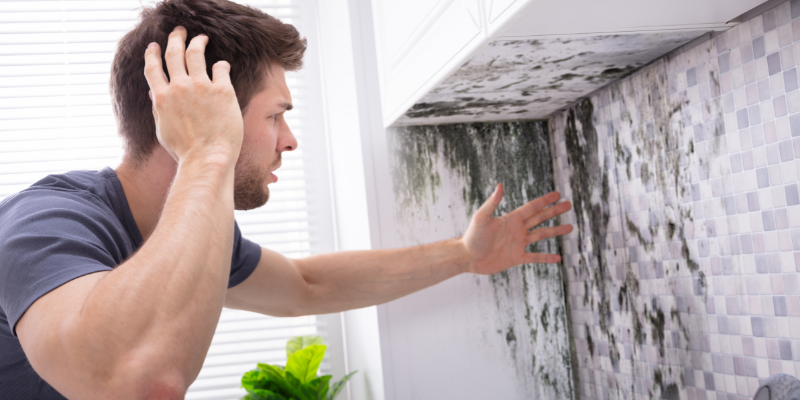
Selling a mold-affected property in Texas involves navigating specific legal requirements and disclosure obligations. House Buying Girls provides clear, professional guidance to help homeowners understand their responsibilities and make informed decisions throughout the sale process.
Understanding Mold: Causes and Identification in Homes
For people who want to sell their home in Texas, it’s important to understand mold in the context of the real estate market. Because Texas is so humid, many homes don’t have good airflow and have high humidity. Mold grows in these conditions.
It is frequently caused by water damage from leaks, floods, or condensation. Finding mold on walls, ceilings, and furniture is crucial; it typically appears as black, green, or white spots.
If you are aware of its presence, it may also smell musty. It’s crucial for homeowners to understand that mold can harm your health and reduce the value of your property in addition to making it look terrible.
To prove the presence and extent of a mold infestation, it is important to have a professional inspect and test the area. Taking care of these problems before they go on the market will help sellers make wise choices about what needs to be fixed before putting their home on the market. This will help them follow disclosure laws and keep buyers interested.
Health Risks Associated with Mold Exposure in Residential Properties
In Texas homes that are currently for sale, mold poses a significant health risk to individuals. These are the risks that individuals who wish to purchase or transfer an item should be aware of. Inhaling mold can result in asthma attacks and allergic reactions, as well as a reduction in breathing capacity.
This is more likely to happen to people who already have weak immune systems or lung issues. Long-term exposure to mold has been linked to more serious health problems, such as infections and chronic sinuses.
Families who want to buy a house with mold should be aware of these health risks so that they can make an educated choice. If a Texas home has mold problems, the seller must fix them. This is the law and it’s also for the health of the people who will live there in the future.
If mold problems aren’t properly reported or fixed, it could lead to legal problems and lower property values. So, taking care of health issues linked to mold is essential for anyone in Texas trying to sell a house that has mold in it.
Understanding the Different Types of Household Molds and Their Effects
If you want to sell a house in Texas that has mold in it, you need to know about the different kinds of mold and how they affect homes. Molds like Aspergillus, Cladosporium, and Stachybotrys chartarum, which is also known as “black mold,” can be very troublesome for people who live in Texas.
Aspergillus usually grows in damp places like bathrooms and kitchens, and it can cause allergic reactions or breathing problems. Cladosporium grows well on wood and materials, and it can irritate the skin and eyes of people who are sensitive to it.
The well-known black mold, Stachybotrys chartarum, grows on things like walls and paper that are high in cellulose. It can make mycotoxins, which are very bad for your health and can make you cough all the time and have neurological signs. You need to find these germs quickly if you want to get rid of them before you put your house on the market.
Not only does the right identification help with any health issues, it also helps you figure out what steps you need to take to get rid of mold completely. These details can make a big difference in how a buyer sees a property and how much it’s worth on the market in Texas, where real estate is very competitive.
If you are considering selling a property with mold, disclosing this condition to prospective buyers is essential. We buy houses in Houston and surrounding areas, offering a straightforward, efficient process for properties in any condition, including those affected by mold. Contact us today!
How Climatic Conditions Affect Mold Growth in Texas Homes
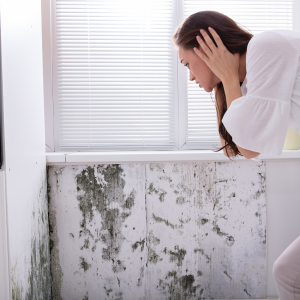
The hot and sticky weather in Texas makes it hard for people to sell their homes because it encourages mold growth. Mold spores grow quickly in many parts of Texas in the spring and summer, when it rains a lot. This is because the weather is warm and muggy.
When the weather is like this, it’s easier for leaks or bad air flow to let water inside. This can cause the humidity inside to rise quickly, which can cause mold to grow on walls, ceilings, and even in HVAC systems. People in Texas who want to buy a house are wary of homes with mold on them because it could be bad for their health and the house itself.
Buyers need to know how important it is to get rid of mold issues so that the house keeps its value and the sale goes more smoothly. If owners of real estate in Texas know how the weather affects mold growth, they can take steps before they put their house on the market to make it more airtight and less likely to flood.
Common Mold-prone Areas in Houses and How to Inspect Them
If you want to sell a Texas house quickly and there is mold in it, you need to find out where it grows and fix it. It’s easy for mold to grow in Texas bathrooms, kitchens, and basements because they don’t have a lot of air flow.
Find any water leaks near sinks, tubs, and toilets and make sure the area is dry. Always be extra careful in dark places where water can gather, like under cabinets or behind dryers and freezers.
Mold can grow on the walls or floors of the basement if there is water damage or not enough air flow, so it’s important to look for these signs. Many people also forget about their attics, which can get damp from roof leaks or not having enough insulation.
This is the time to look for mold that can be seen, like spots or musty smells. These might be signs of bigger issues that you need to take care of before you sell your home. With moisture meters or infrared cameras, you can find hidden dampness that isn’t clear at first glance. This could change how people who want to buy the house see it and their offers.
Effective Mold Detection Techniques for Home Buyers
In Texas, both owners and buyers of mold-affected homes need to know how to find mold effectively in order to efficiently sell those homes. A musty smell or spots on the walls and ceilings are two minor signs that a house might have mold.
Any mold growth that is hard to see needs to be carefully examined by a trained professional. Very carefully do this in wet places like basements, attics, and under sinks. Use IR cameras and other tools to find moisture problems you might not be able to see with the naked eye.
Mold spores can also be found inside with air quality tests. People looking for homes in Texas can find out a lot about any mold problems that might be there in these ways. It helps them pick out the right things.
Steps to Take If You Discover Mold During a Property Inspection
A Texas real estate agent must move quickly and carefully if mold is found during a property inspection in order to complete the selling process. We recommend hiring a professional mold tester to find out how bad the mold problem is and where it’s coming from.
Accurate identification is critical for designing an effective remediation plan. Hire a reputable mold remediation business that follows Texas state rules for safe removal.
Keeping records of the problem-solving process can make things clearer and convince potential buyers that the problem was fixed by professionals. When you’re selling your house, you need to make sure that any known mold problems are included. If you don’t, you could end up in legal trouble later on.
Talk to a real estate agent who specializes in dealing with homes that have mold. They might offer custom ways to set prices and sell your products. Also, getting a post-remediation clearance license from a third-party inspector can prove that your home is mold-free, which can calm buyers’ fears and make the selling process easier in Texas’s competitive market.
Preventative Measures for Reducing Moisture and Mold Indoors
Talk to an experienced real estate agent who deals with homes that have mold problems. They might offer customized ways to set prices and sell their products. Getting a post-remediation clearance permit from a third-party inspector can also be proof that your home is mold-free, which can calm buyers’ fears and make the selling process easier in Texas’s competitive market.
When selling a mold-affected home in the Texas real estate market, adopting preventative measures to eliminate moisture and mold indoors is critical for enticing potential buyers. Install exhaust fans or improve existing ventilation systems in damp areas, including bathrooms, kitchens, and basements.
Regular maintenance of HVAC systems, such as cleaning filters and ducts, helps to reduce humidity levels, which leads to mold formation. To prevent mold growth, rapidly repair any plumbing or roofing leaks. Also, addressing moisture issues is an important part of how to fix a settling house, as excess water can worsen foundation movement and structural instability.
By proactively addressing these issues, sellers can create a healthier home environment that will appeal to buyers in the competitive Texas real estate market.
The Role of Ventilation Systems in Preventing Indoor Mold Accumulation
If you want to sell a house in Texas that has mold in it, you need to make sure that the ventilation system works well so that mold doesn’t grow inside. When there is enough airflow, inside areas don’t get too wet, which is a big cause of mold growth.
Mold germs can’t settle and spread because of too little air flow in Texas, which is very humid. Homeowners should think about replacing or improving their HVAC systems to get better air flow and lower humidity in important rooms like bathrooms, attics, and basements.
Adding dehumidifiers can also help keep humidity levels stable, which can stop mold from growing. By proactively addressing these issues with strong ventilation systems, sellers can improve the air quality inside their homes and make them more appealing to potential buyers in the competitive Texas housing market.
Diy Methods for Testing and Removing Household Mold
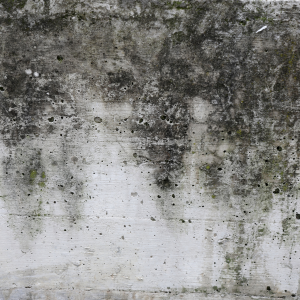
If you own a home in Texas that has mold, you can utilize do-it-yourself methods to test for and get rid of it. You might start by quickly looking around to see if there are any clear signs of mold growth on walls, ceilings, and other surfaces.
Home improvement shops near you sell mold test kits that you can use to get more accurate results. Usually, you have to take samples from areas that you’re not sure about and mail them to a lab to be looked at. You should fix the problem right away if you find mold.
Wear gloves and a mask to ensure that you are protected from harmful bacteria. For shining surfaces like glass or tiles that prevent mold from growing through them, use a commercial mold remover or a solution of water and detergent.
For severely impacted porous materials, such as wood or plasterboard, it can be essential to remove and replace them completely. Because it lowers moisture levels that lead to the growth of mold in the future, it is essential to provide enough ventilation during this procedure.
Before placing their property on the cutthroat Texas real estate market, homeowners can successfully handle minor mold issues on their own by following these helpful tips.
Essential Tools and Products for Effective Household Mold Removal
If you live in Texas and want to sell a house that has mold in it, you need to know how to get rid of the mold properly. The real estate market in Texas is very competitive, so getting rid of mold as soon as possible will make the house much more appealing.
Put on masks, shields, and gloves while you clean up to make sure you are safe. To get rid of mold blooms that won’t go away, use biocides or good mold removal products.
There is less water mist in the air when you use a dehumidifier. It is very important to do this to keep the temperature low so mold doesn’t grow again. HEPA air filters can clean the air inside by getting rid of germs.
Use brushes or rags made just for mold when you clean to get rid of all mold and stop the spread of mold spores. Once the area has been cleaned, mold won’t grow back if you use paints or seals that don’t grow mold.
By using these tips and items in a smart way, you can make your home look better and get more buyers in the Texas real estate market.
Wear appropriate protective gear for effective DIY mold removal, and clean the affected area with water and detergent. Thoroughly dry the area to prevent further growth. For more extensive mold problems, Contact Us at House Buying Girls for professional assistance.
Hiring Professional Mold Inspectors: What to Look For
Professional mold inspectors are essential for a smooth transaction when selling a property that has been affected by mold in the Texas real estate market. Mold inspectors who have extensive experience are capable of accurately evaluating the extent of mold contamination and generating a comprehensive report, which is crucial for both sellers and prospective purchasers.
Seek inspectors who have been certified by reputable organizations, such as the Indoor Air Quality Association (IAQA) or the National Association of Mold Remediators and Inspectors (NAMRI). A qualified inspector should employ sophisticated instruments, such as infrared cameras and moisture meters, to identify concealed mold growth that may not be visible to the naked eye.
It’s also important to choose an inspector who knows a lot about Texas’s environmental conditions and rules. They can help you understand local problems, such how high humidity levels can cause mold to grow. Also, talk to professionals who may offer ways to fix the problem that are specific to your property. This will make sure that you follow state rules and protect the value of your house.
Selecting certified and experienced professionals is the best way for sellers to get rid of mold problems. This makes the whole process more clear for everyone involved in the real estate deal.
The Costs Involved in Mold Remediation for Homeowners
Mold-affected homeowners in Texas must think about the many costs that come with mold removal in order to sell their home. The cost of getting rid of mold can vary a lot based on how bad the infestation is and which parts of the property are affected.
To find out how bad the mold problem really is, homeowners often need to hire a professional mold removal service. These services usually charge a fee for the initial inspection. The mildew on walls, ceilings, and other surfaces may need to be removed properly, which could mean paying for labor, materials, and special tools.
Large amounts of mold damage may also mean that the structure needs to be fixed or contaminated building materials like insulation or drywall needs to be replaced. This can add to the total cost of the project. If people want to stop mold from growing in the future, they might need to take preventive steps like installing better ventilation systems or moisture control systems.
It is imperative to ensure a secure living environment and preserve the value of property in a competitive housing market such as Texas, despite the fact that these expenses can accumulate rapidly.
Evaluating the Impact of Mold on Property Value and Resale Potential
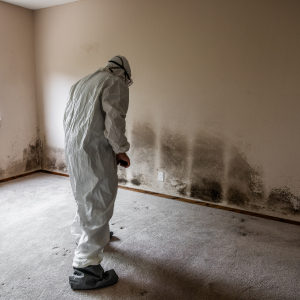
To figure out how much mold can hurt the value and selling chances of homes in Texas, it’s important to think about how different buyers feel about it. People will probably avoid houses with mold issues because they are afraid for their health and safety. This will make the home less valuable.
The existence of mold could imply expensive removal measures and damage a property’s valuation. Given Texas’s climate, which can worsen mold, sellers need to do more to protect their investments.
Real estate professionals recommend that thorough inspections with professionals skilled in assessing mold issues should be done prior to selling the home. Sellers should better understand buyers’ expectations concerning mold-free homes in order to position their homes competitively.
Mold problem amelioration promotes the preservation and enhancement of the value of a property, as well as the Canadian Texas real estate market, as compared to other markets.
Is It Legal to Sell a House with Mold in Texas?
In Texas, a home can be sold with mold, but that entails following specific disclosure laws and is more difficult in the real estate market. As per the Texas Property Code, sellers explicitly have to disclose any and all problems within the house that might impact a deal, and that certainly includes mold.
Omitting crucial disclosures may result in legal trouble and even in lawsuits from the clients. Thus, it is important for homeowners to check all documents and conduct thorough inspections, as well as address any mold-related problems prior to placing their house in the market.
Customs of Texas’s real estate market can aid sellers with these obstacles if paired with skilled real estate professionals. Moreover, for the proper steps, these sellers must also ensure that they deal with legal professionals who understand real estate law in Texas.
In the Texan market, sellers are unable to cut corners. With issues of mold inspection remaining unresolved, one loses the trust of the buyers. Without trust, the buyer-seller relationship becomes even harder to navigate, all while the seller remains bound to legal obligations.
In Texas, it is legal to sell a house with mold, but sellers must disclose any known mold issues to avoid legal consequences. If you wish to sell your home for cash in Dallas or other cities, House Buying Girls provides expert guidance to ensure compliance with disclosure laws and a seamless transaction.
Is It a Bad Idea to Buy a House with Mold?
If people in Texas are trying to decide if it’s a bad idea to buy a house with mold, they should think about a few important things. Mold can have a big effect on the value of a home and be harmful to your health, so buyers need to do full inspections before completing any deal.
But buying a house with mold isn’t always a bad idea if you do it the right way. Mold in the home can help buyers get lower prices, and they can also pay for professional cleaning services to fix the problem, which could lead to future gains.
It’s important to know how bad the mold damage is; small problems can be fixed quickly, but large infestations could mean there are structural problems that need expensive repairs. It’s important for buyers to work with real estate professionals and testers who are experienced and who know the mold rules and weather conditions in Texas.
So, they can make smart choices about buying in homes that have mold problems, making sure they are safe and getting the best return on their money in Texas’s competitive housing market.
Is It Safe to Stay in a House That Has Mold?
Before deciding if it’s safe to live in a moldy house, it’s important to know the law and health risks. This is especially important in the Texas real estate market. Mold can make it hard to breathe, cause allergic reactions, and cause other serious health problems, so living in a place with mold is not safe.
Because Texas has a lot of heat, people who want to sell their home should get rid of any mold as soon as possible. People who want to buy a house are often wary of ones that have mold on them because it could be bad for their health and cost a lot to fix.
Texas law says that sellers must tell buyers if there is mold in the house or they could be sued. People who buy homes can make them safer and more desirable by fixing mold issues fully and taking care of them before they get worse.
It is better for the health of the people who already live there, and it also makes the property more marketable in the tough Texas real estate market.
Can a Mold-infested House Be Saved?
Certainly! Here’s a keyword-dense paragraph related to the heading “Can a mold-infested house be saved?” Selling a mold-affected house in the competitive Texas real estate market may appear overwhelming, but with the appropriate approach, such houses can be saved and sold. Mold remediation is critical for recovering a mold-infested home and making it presentable to potential buyers.
Homeowners should first have thorough inspections performed by trained mold inspectors who can assess the extent of the mold problem. Professional mold remediation services ensure that all mold traces are completely removed, preventing future infestations and health hazards.
To be long-term successful, you must address moisture issues such as leaks or inadequate ventilation. Obtaining a clearance certificate once the home has been cleared and fixed provides buyers with a sense of security.
Sellers can boost their chances of successfully selling a previously mold-infested house in Texas’s competitive real estate landscape by investing in suitable cleaning and restoration procedures.
If you need to sell your home quickly, avoid expensive repairs, or prefer a hassle-free process, House Buying Girls is here to help. We offer fair, all-cash offers and care for all the details to ensure a smooth and stress-free experience. If you have any questions or are ready to start, please get in touch with us at (214) 393-8026 for a no-obligation consultation. We’re here to assist you and make your sale simple.
| HEALTHIER LIVING | CASH | ATTORNEY | LEGAL COUNSELS | LAWYER | TOXIC MOLDS |
| HOME INSPECTIONS | INVESTORS | TOXIC | SPACE | SKIN IRRITATION | |
| HOUSTON | CRAWL SPACES | WALLPAPER | ROOFS | REAL ESTATE INVESTORS | PRIVACY |
| HOMEBUYERS | OPTIONS | LIABILITY | FULL DISCLOSURE | FOOD | DAMAGES |
| COUGHS | ALLERGIES | SAMOAARIZONAARKANSASCALIFORNIACOLORADOCONNECTICUTDELAWAREDISTRICT OF COLUMBIAFLORIDAGEORGIAGUAMHAWAIIIDAHOILLINOISINDIANAIOWAKANSASKENTUCKYLOUISIANAMAINEMARYLANDMASSACHUSETTSMICHIGANMINNESOTAMISSISSIPPIMISSOURIMONTANANEBRASKANEVADANEW HAMPSHIRENEW | CITY ALABAMAALASKAAMERICAN SAMOAARIZONAARKANSASCALIFORNIACOLORADOCONNECTICUTDELAWAREDISTRICT OF | CAROLINASOUTH DAKOTATENNESSEETEXASUTAHUS VIRGIN ISLANDSVERMONTVIRGINIAWASHINGTONWEST | 2 CITY ALABAMAALASKAAMERICAN SAMOAARIZONAARKANSASCALIFORNIACOLORADOCONNECTICUTDELAWAREDISTRICT |
| RICORHODE ISLANDSOUTH CAROLINASOUTH DAKOTATENNESSEETEXASUTAHUS | ISLANDSOUTH CAROLINASOUTH DAKOTATENNESSEETEXASUTAHUS VIRGIN | ALABAMAALASKAAMERICAN SAMOAARIZONAARKANSASCALIFORNIACOLORADOCONNECTICUTDELAWAREDISTRICT OF COLUMBIAFLORIDAGEORGIAGUAMHAWAIIIDAHOILLINOISINDIANAIOWAKANSASKENTUCKYLOUISIANAMAINEMARYLANDMASSACHUSETTSMICHIGANMINNESOTAMISSISSIPPIMISSOURIMONTANANEBRASKANEVADANEW | DAKOTATENNESSEETEXASUTAHUS VIRGIN ISLANDSVERMONTVIRGINIAWASHINGTONWEST VIRGINIAWISCONSINWYOMINGARMED |