


Dealing With Difficult Tenants: Legal Obligations For Landlords

As a landlord in Texas, dealing with difficult tenants can be such a challenge. Not only can it cause financial and emotional stress, but it also comes with legal obligations that must be met.
Landlords have a responsibility to provide a safe and habitable living environment for their tenants, which includes maintaining the property and addressing any potential hazards. In addition, landlords must adhere to fair housing laws and cannot discriminate against tenants based on race, religion, gender, or other protected characteristics.
Landlords need to be aware of their legal rights and responsibilities when it comes to challenging tenants because neglecting to do so may have expensive legal repercussions.
Table Of Contents
1. Dealing With Difficult Tenants: Legal Obligations For Landlords
2. Defining Retaliation: What Constitutes As Retaliation?
3. Boundaries For Landlords: What They Cannot Do In Response To Tenant Actions
4. Real-life Examples Of Eviction During The Protection Period
5. Seeking Damages For Illegal Landlord Retaliation: Knowing Your Options
6. Is It Hard To Evict A Tenant In Texas?
7. Do Renters Have Any Rights In Texas?
Navigating Page Sections: Important Information For Tenants
Landlords may find it difficult to deal with problematic tenants, particularly in Texas, where there are particular rules and laws in place to protect all involved. It’s critical for landlords to be aware of their rights and obligations when it comes to handling difficult renters.
One key aspect to consider is the information that is included in each page section of your lease agreement. This includes important details such as the tenant’s responsibilities, rent payment terms, and rules for maintenance and repairs.
It is imperative that all parties carefully review and comprehend these areas to avoid future miscommunications or disputes. Landlords should also spell out exactly what happens if these agreements are broken to keep a professional relationship with their tenants.
By properly navigating through these page sections, landlords can ensure a smoother rental experience for both themselves and their tenants.
Defining Retaliation: What Constitutes As Retaliation?

Navigating the challenges of difficult tenants can be a daunting task for Texas landlords. One aspect that must be carefully considered is retaliation.
Retaliation refers to any action taken by the landlord against a tenant in response to a complaint or exercise of their legal rights. This can include raising the rent, withholding necessary repairs, or even attempting to evict the tenant without proper cause.
To keep the landlord-tenant relationship happy and compatible with the law, it is crucial for landlords to recognize what behaviors can be interpreted as retribution and to steer clear of them at all costs. If this isn’t done, the landlord may face expensive legal fights and reputational harm.
Protected Actions From Landlord Retaliation: Know Your Rights
If you are aware of what the law covers regarding retaliation, you will be able to gain insight into the measures you can take against tenants and justify or defend certain behaviors. Under the Fair Housing Act, it protects tenants from retaliation for exercising their rights, such as filing a complaint or participating in a tenants’ union.
It can be even worse for landlords to retaliate legally, as it can violate the Fair Housing Act. Rent increases, service and amenity reductions, eviction, and even ending a lease are all legally considered retaliation.
A landlord must be aware of anti-retaliation laws to protect themselves legally and maintain a good rapport with their employees.
Boundaries For Landlords: What They Cannot Do In Response To Tenant Actions

In Texas, managing tenants that are tough to work with can be difficult. Setting limits and being aware of what behaviors are unacceptable are crucial when it comes to a landlord’s response to tenant conduct.
While it may be tempting to retaliate or take matters into your own hands, there are legal limitations on what landlords can do. For example, landlords cannot change locks, shut off utilities, or remove a tenant’s personal belongings without following proper eviction procedures.
Landlords are prohibited from treating tenants unfairly on the basis of their gender, color, religion, or any other protected trait. Landlords are also not allowed to threaten or harass renters in an effort to get them to leave the property.
Landlords can handle challenging circumstances with tenants in a fair and legal manner by being aware of these boundaries and the laws protecting tenants.
When Does The Protection Period Begin? The Timing Of Retaliation Protection
Texas landlords can face many problems for dealing with troublesome tenants. One key issue for landlords to identify is the timing of retaliation protections.
Retaliation protections are time periods during which landlords can not be subject to retaliation claims from tenants. In Texas, retaliation protections are active once a tenant files a complaint or lawsuit against a landlord.
Landlords must know that any negative actions taken against the tenant during the retaliation protections period can result in serious legal consequences. Therefore, landlords need to know when the retaliation protection period ends and how to sale with difficult tenants without crossing legal boundaries.
Real-life Examples Of Eviction During The Protection Period
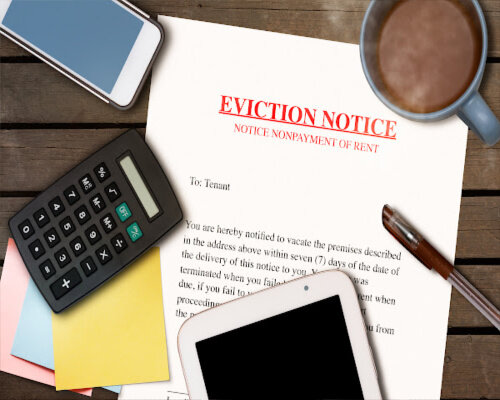
Landlords in Texas face many challenges when dealing with eviction moratoriums, especially when dealing with problematic tenants. Eviction proceedings are also complicated and time-consuming, and tend to drag out the issue, which many landlords are understandably reluctant to do.
How can a landlord prepare themselves for the many challenges that an eviction moratorium protects tenants from? Reviewing case studies helps landlords navigate the multitude challenges that they face during eviction moratoriums.
Real-life examples, from tenants who fail to pay rent to those who violate the lease agreements to squatters, can give valuable insight to landlords so that they better understand the challenges of tenant eviction protection, and tenants understand landlords’ rights in Texas. Case studies also help landlords understand the challenges they face in eviction moratoriums and understand the legal challenges to eviction protection.
Fighting Back Against Landlord Retaliation: Options For Tenants
It might be difficult for Texas landlords to deal with uncooperative renters. In addition to the potential for tenant backlash, landlords have to deal with a number of financial and legal challenges.
This might involve everything from missing rent installments to harm to the property to unfounded allegations. Tenants should, therefore, be aware of their rights and their options in the event that they encounter reprisal from their landlord.
One option is to seek legal assistance from a reputable attorney who specializes in landlord-tenant disputes. By understanding their rights and having proper legal representation, tenants can fight back against any unfair actions taken by their landlords.
Seeking Damages For Illegal Landlord Retaliation: Knowing Your Options
Navigating the challenges of difficult tenants can be a daunting task for Texas landlords, especially when faced with illegal landlord retaliation. In such cases, knowing your options for seeking damages is crucial.
Landlords may pursue specific legal proceedings against renters who break their leases or don’t pay their rent, according to Texas law. Retaliating against a tenant for exercising their legal rights—like making a repair request or filing a complaint—is prohibited and can have expensive repercussions for the homeowner.
If found guilty of illegal retaliation, landlords may be held liable for damages, including monetary compensation, punitive damages, and attorney fees. It is important for landlords to fully understand their rights and responsibilities to avoid potential legal troubles when dealing with difficult tenants.
False Complaints And Their Impact On Landlord-tenant Relationships
As a Texas landlord, navigating the challenges of difficult tenants can be a daunting task. One of the most common issues faced by landlords is false complaints from tenants and the impact it can have on the landlord-tenant relationship.
False complaints not only cause unnecessary stress and frustration for landlords, but they also create tension and mistrust between both parties. These complaints can range from minor issues to serious allegations, making it crucial for landlords to handle them carefully and effectively.
Failing to immediately and effectively handle false complaints may result in relationship harm and possibly legal repercussions. To effectively handle these difficulties, landlords must have a firm grasp of their legal obligations, as well as appropriate paperwork and tenant communication.
Additional Measures To Protect Yourself From Landlord Retaliation
As a Texas landlord, you can get protections and limits when it comes to managing difficult renters that you may be less than thrilled to work with. Regardless, you have protections and rights as a landlord.
Beyond the basic proactive measures for dealing with resentful renters, you can take additional steps to protect yourself. One important step is to document tenant communications and add lease violations, warnings, and notices.
They can argue that the communication and documentation are proof of their retaliation, and you may be able to use them to defend against retaliation when a dispute arises. As a landlord, you will have to defend yourself against legal action if you fail to adhere to the laws when dealing with renters.
You may also want to look into a landlord-tenant attorney to help you with self-defense against retaliation. There are difficult renters, and it can get complicated with protections and rights, but it can be done.
Is Texas A Tenant-Friendly State?
Because of Texas’s explosive real estate industry and landlord-friendly policies, many landlords may wonder whether dealing with troublesome tenants makes Texas really a tenant-friendly state.
The answer is not entirely obvious. There are certainly a variety of laws in Texas that protect tenants’ rights; however, these laws tend to be landlord-friendly.
While the state of Texas has a variety of policies that protect landlords, those policies and their rights should be balanced with a firm understanding of tenant rights to successfully navigate tenant issues. Through this combination, a landlord can comfortably operate a rental property in the state without penalizing tenants.
Is It Hard To Evict A Tenant In Texas?

Navigating the challenges of difficult tenants can be a daunting task for landlords in Texas. One of the biggest concerns that landlords face is the difficulty of evicting a tenant.
In Texas, the eviction process can be complex and time-consuming, requiring strict adherence to state laws and procedures. From providing proper notice to navigating court proceedings, there are many obstacles that landlords must overcome in order to evict a tenant.
Dealing with troublesome renters who might purposefully stall or fight the eviction process can be extremely tough. Nonetheless, landlords in Texas can effectively manage these difficulties and safeguard their property rights if they have the necessary information and direction.
Who Can I Complain About My Apartment Complex In Texas?
If you are a Texas landlord, you have plenty of problems to sale with, especially with problem tenants. Whether it is slow payers, tenants who won’t pay, or tenants who harm your property, complicated tenant problems add a lot of stress to a landlord’s job.
However, you don’t have to sale with those tenant problems completely on your own. Texas landlords who want guidance on their tenant problems can reach out to the Texas Apartment Association or their local housing authority.
These agencies can help landlords understand complicated issues and how to handle those issues while still maintaining their landlord rights. Don’t feel bad about reaching out when you have tenant problems. You don’t have to do it alone.
Do Renters Have Any Rights In Texas?
As a landlord in Texas, it is important to understand that renters do have rights in the state. While landlords have the right to collect rent and maintain their property, tenants also have legal protections under both state and federal law.
These include the freedom from discrimination, the right to privacy, and the right to a safe and livable environment. Landlords who deal with troublesome renters must also follow Texas regulations involving security deposits, lease agreements, and eviction procedures.
It is crucial for landlords to educate themselves on these rights in order to effectively navigate any challenges that may arise with their tenants.
Fair Cash Offers In Texas
Get a fair cash offer for your Texas home. We buy houses quickly and hassle-free.
| LANDLORD AND TENANT | VACATE THE PROPERTY | NOTICE TO VACATE | EVICTION NOTICE | TEXANS | PROPERTY MANAGEMENT |
| LAWSUIT | INVESTORS | CASH | PROPERTY MANAGER | LEGAL SERVICES | LAWYERS |
| INVESTMENT | RELIEF | REMEDIES | REMEDY | INTEREST | |
| APARTMENTS | RISKS | REAL ESTATE INVESTORS | ACTUAL DAMAGES | ATTORNEY’S FEES |