


How to Read a Fort Worth Neighborhood Map
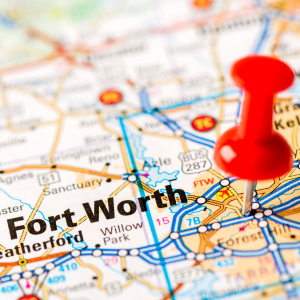
Start with the big lines. Interstate 30 runs east to west through downtown, and Interstate 35W runs north to south. Loop 820 circles the whole city, while the forks of the Trinity River curl through the middle.
Most people describe where they live by which side of those lines they’re on. Inside the big pieces sit hundreds of named neighborhoods, many with their own associations, entry signs and histories. One public dataset lists 344 of them inside the city limits.
Every neighborhood map draws those smaller boundaries, and they rarely line up neatly with zip codes.
That mismatch causes real confusion. Two houses with the same zip code can sit in areas with very different streets, lot sizes and home prices. Check the neighborhood name on the map, not just the postal address.
Pay attention to the scale too. Some areas that look tiny next to a freeway hold a few thousand homes. Others stretch long and skinny along an old rail line or creek.
The Central Neighborhoods Around Downtown
The Near Southside packs restaurants, medical offices and older homes into a few walkable blocks. Fairmount, one of the city’s best-known historic neighborhoods, sits next to it with tree-lined streets of early 1900s bungalows and Craftsman houses.

Farther south, Ryan Place, Mistletoe Heights and Berkeley Place fill the area around the hospital district and the Trinity Trails. On a neighborhood map these look small. Each one still has a distinct feel and its own mix of house styles.
We bought a 1920s bungalow in Ryan Place with original pocket doors and a detached garage packed floor to ceiling with paint cans. The owner had inherited it and wanted it gone before winter. Location carried that house, even with every system needing work.
Parts of Fairmount and several other central areas sit inside historic districts, where exterior changes can need approval from the city’s preservation staff before work starts. Check that status before you plan a remodel or price a house that needs one.
Older central blocks reward a closer look. Lot sizes, alley access and sidewalks can change from one street to the next. Your neighborhood map is where you start spotting those differences.
West Side Neighborhoods on a Fort Worth Map
West of downtown, the Cultural District holds the city’s major museums. Arlington Heights stretches out beside it with brick homes from the 1920s through the 1950s. Despite the name, Arlington Heights is part of Fort Worth, not the city of Arlington.

Farther southwest, the streets around TCU blend student rentals with long-owned family homes in areas like University Place and Park Hill. Tanglewood and Ridglea Hills offer larger lots and ranch-style houses from the middle of the last century. Wedgwood, farther out, filled in with modest ranch homes that still draw first-time buyers.
Everything west of the Trinity carries a different rhythm than the east side, partly because of when it was built. A neighborhood map makes that visible. Curving streets usually mean newer subdivisions, and a tight grid points to older ones.
Families moving across town often start here because the west side’s areas are easy to tell apart. Each one has clear edges, like a major road, a golf course or a creek. Camp Bowie Boulevard, with its stretches of old brick paving, runs through the middle of this side of town and makes an easy landmark when you’re getting your bearings.
North and East Fort Worth Neighborhoods
The historic Stockyards anchor an older part of the city with homes on narrow lots and a strong sense of identity. Farther north, the Alliance corridor has filled in with newer subdivisions, many of them planned communities with their own amenity centers.

East of downtown, Riverside and Polytechnic carry deep roots and some of the more affordable housing in the city. Riverside sits along the Trinity. Polytechnic grew up around what’s now Texas Wesleyan University.
North and east Fort Worth neighborhoods can change quickly from block to block. Just a few streets may separate renovated homes from houses that haven’t been touched in decades.
So how do you tell the difference before you commit?
Use the map and then drive it. Lines on a neighborhood map show boundaries, but a slow drive on a weekday evening shows you which blocks are cared for and which are struggling.
City Address Tools That Pair With a Fort Worth Neighborhood Map
Two free lookup tools on the municipal website fill in what lines on paper can’t. The city’s My Neighborhood page hosts both. Its One Address tool lets you enter an address and see permits and crime around a home in one search.
My Area, the second tool, shows trash pickup days, your elected officials and nearby calendar events. Those details sound small. They matter when you’re trying to figure out which council member to call about a code issue on your block.
Registered associations are worth a look as well. The city notes that its neighborhood database is being replaced. In the meantime, it asks residents to contact its Community Engagement team for association details.
I’d run the One Address search before buying, selling or even renting on a block you don’t know well. Permit history shows which houses have been updated legally, and that’s hard to see on any neighborhood map.
What a Neighborhood Map Tells You About Home Values in Fort Worth
Prices track subdivision lines more closely than zip codes do. According to Zillow’s Fort Worth home value index, the typical home in the city was worth $291,579 as of October 2026. The figure fell 1.5 percent from a year earlier, and homes were going pending in a median of 35 days.

Citywide numbers hide wide gaps. Some renovated bungalows in sought-after central areas sell for several times what a similar-sized house brings on the far east side.
Supply matters too. Redfin data covering January through June 2026, published by Stacker’s mid-year market review, showed 4.2 months of supply in the area. With that much inventory, buyers compare neighborhoods instead of grabbing the first house they see.
No neighborhood map will price a house for you.
It does tell you which recent sales are fair comparisons, and that’s where any honest price starts. Pull sales from inside your own boundary first, then widen the search only if you need more.
Zoning, Schools and Other Layers to Check
The best neighborhood map is really several maps stacked together. Zoning, school attendance zones and flood risk all have their own boundaries. None of them follow neighborhood lines exactly.
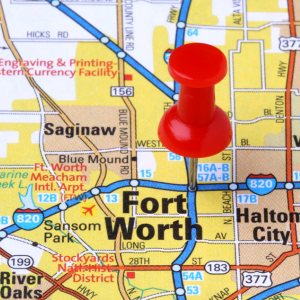
School districts surprise newcomers. Parts of the city are served by districts other than Fort Worth ISD. Confirm the district for a specific address with the district itself rather than trusting a listing.
Flood maps deserve the same care.
Homes near the Trinity and its creeks may sit in a mapped flood zone. Flood status affects insurance costs and what a buyer’s lender will require.
The FEMA Flood Map Service Center lets you look up any address for free and download the official panel for your records. Lay that panel next to your neighborhood map, and you’ll see quickly whether a creek-side street carries extra risk.
Zoning answers the next question. What can be built next door? Picture a vacant lot zoned for commercial use, then one zoned for single-family homes, and think about which you’d rather live beside for ten years.
How a Neighborhood Map Helps When You Sell Your Fort Worth House
Buyers search listings by the name of the area, so get that name right. Borrowing a more popular neighbor’s name might draw clicks. It falls apart at the first showing and makes buyers wonder what else is off.

Comparable sales should come from inside your neighborhood whenever possible. Houses across a major road can sit in a different market, even when they’re only a few blocks away on the map.
We bought a ranch house in Ridglea Hills where the owner had been told the house sat in a neighboring area with higher prices. On the Wednesday we walked it, we pulled up the neighborhood map together. Every comp the owner had been given came from the wrong side of the boundary, and seeing the line on the screen made the price conversation easier for both of us.
House Buying Girls buys houses in every part of the city as they are. Older homes count too, especially ones that need more work than buyers in their area want to take on.
Dated houses on blocks full of renovated homes can sit on the market longer, because buyers compare every room to the flips down the street. A direct sale skips the showings, repair requests and lender conditions that slow those listings down.
Selling directly can make sense when your house doesn’t match the updated homes around it.
Fort Worth Neighborhood Map Questions
What are some of the best-known neighborhoods in the city?
Fairmount, Arlington Heights, Ryan Place, Tanglewood and the Near Southside come up most often. Each has a different feel, from historic bungalows to mid-century ranch homes. “Best” depends on what you need, so compare a few before deciding.
Where can I find an official map of city neighborhoods?
Start with the city’s own website, which offers address-based tools and contact information for registered neighborhood groups. Neighborhood associations often post their own boundary maps too. For a single address, the city’s lookup tool is the most reliable source.
Is Arlington Heights in the city of Arlington?
No, Arlington Heights is a neighborhood on the city’s west side. The name confuses newcomers all the time. Arlington itself is a separate city to the east.
Do neighborhood boundaries match zip codes?
Rarely. One zip code can hold several neighborhoods, and a single neighborhood can cross zip code lines. Use the neighborhood name for comparisons and the zip code only for mail.
How do I find out which school district serves a specific address?
Contact the school district or use its attendance zone lookup. Several districts serve different parts of the city, and listing sites aren’t always right. Confirm before you rely on it.
If you’re thinking about selling a house anywhere in the city, we’d be glad to take a look and make you a fair cash offer with no obligation. Call House Buying Girls at (214) 393-8026 or send us a few details. You can also learn more about how we buy houses in Fort Worth.
Helpful Fort Worth Blog Articles