

Inheriting property comes with many questions, especially with multiple heirs. In Texas, however, the law states that all heirs have to agree on the sale of the inherited property unless the will or trust states otherwise. This will explain what selling inherited property to heirs looks like and what it takes to get all heirs on board. In order to maintain the peace, this document will outline what needs to be done in order for heirs to have the property sold.
Brief Overview
Selling inherited property in Texas is a complicated process. All heirs must agree, and probate laws will significantly impact all heirs. Heirs interested in selling the property must understand probate laws to sell the property, comply with laws, and keep things fair. When heirs disagree, the sale will usually be complicated, and mediation or partition lawsuits may be needed to resolve the issue. Probate courts validate wills, appoint executors, and manage estates to protect the interests of heirs so they will oversee the sale. Using a professional and having open communication will help make the sale easier, keep the peace, and improve the financial outcome.
Key Highlights
- All heirs typically need a consensus to sell inherited property in Texas, per state laws.
- Understanding inheritance laws and probate processes is crucial for smooth transactions.
- Heir agreements can prevent disputes and are key to decision-making processes.
- Mediation can resolve disagreements; partition lawsuits are a last resort.
- Probate court validates wills, appoints executors, and ensures legal compliance.
The Basics of Selling Inherited Property in Texas

In Texas, the selling of inherited property can be a painstaking process due to the many laws that govern the selling of real estate and property. These laws ensure that real estate owners’ heirs treat all property fairly and that all aspects of the law are followed. Having a basic grasp of the laws surrounding inheritance and the agreements of heirs is essential to all Texas-bound heirs. Often, heirs are faced with the problem of working together and reaching a decision to sell, which is pivotal in preventing disputes among family members and in resolving the legal issues. In Texas, the law is very strict in the selling of property, and in order to have a clear understanding of the selling process, one has to be versed in the probate process and the various legal bodies that come into play. In this piece, we examine the core issues that provide answers.
Understanding Inheritance Laws and Ownership
Texas law has its nuances, and therefore, understanding the law for Texas and your situation when it comes to inheriting property will be beneficial to you. Most estates take the probate route, which is when the court authenticates the will and appoints an executor to make sure the will gets carried out. If there is no will, Texas has a set of laws called “intestacy,” which determines for the relatives of the deceased who gets the property. Close relatives would usually be the first in line to inherit. This process is primarily to confirm who owns what and to limit the confusion among heirs.
Properties that are inherited are owned in common, which legally means that the heirs have to come to a consensus regarding the disposition of the property, whether they will sell it, keep it, or manage the property if they decide to keep it. Communication among the heirs and knowledge of the rights of the heirs will be a great help to minimize the possibility of conflict. Following the proper steps and procedures, a compliance document, and an agreement among heirs would help the process to be a lot smoother. Having this knowledge, the heirs are empowered to decide according to the law, to manage the property, and to make a disposition of the property.
Heir Agreement: Ensuring All Heirs Agree
An heir agreement ensures all of the heirs are in consensus about selling the inherited property. In Texas, it is actually a legal requirement to have a consensus, as all of the heirs must agree in order for the sale to go through. Emotions can override rational thinking, as well as differing objectives, which is why clear communication is of utmost importance. Heirs can even call a mediator to help settle disputes and help the heirs come to a decision that is fair to everyone.
Once all heirs are in consensus, a sale agreement can be made, which is a legal document that specifies the terms of the sale, as well as how the proceeds will be distributed. This is done to avoid future disagreements and to ensure a smooth process. In the event that all heirs are not in consensus, the sale can be put on hold, which could result in the heirs being forced to take other legal actions, such as partitioning the property, which is an expensive and time-consuming process. Cooperation is the best option and can help avoid disputes.
| Key Processes | Legal Requirements | Potential Challenges | Resolution Strategies |
|---|---|---|---|
| Probate Process | Filing with Probate Court | Potential Disputes Among Heirs | Seek Mediation or Legal Advice |
| Heirship Determination | Clear Title Establishment | Title Complications | Title Company Assistance |
| Property Valuation | State and Federal Tax Considerations | Accurate Valuation Difficulties | Appraisal by Licensed Professional |
| Agreement Among Heirs | Heirs’ Consent to Sell | Consensus Challenges | Formal Agreement Documentation |
The importance of legal compliance and its consensus is stressed in this table on Texas inherited property sales.
Challenges Faced by Multiple Heirs

The problems arising from multiple heirs inheriting property in Texas are common. All heirs to the property must first reach a consensus to deal with sales of the inherited property. From emotional attachments to legal issues and everything in between, disagreements can occur from probate to the final sale. Stronger heir agreements, paired with better communication and legal advice, help heirs navigate multiple roads to the final sale when disagreements occur. Texas state law requires all heirs to be in agreement to sell inherited property, and there are legal means to pursue if agreement is not obtainable.
What Happens When Heirs Don’t Agree?
When heirs cannot come to an agreement about selling a property, the process becomes much more difficult. In Texas, most operational decisions must be unanimous. Disputes can prolong a sale, and in some instances, the sale can be stalled altogether. This can lead to financial burdens, ongoing costs to maintain the property, and the property’s value may even diminish over time. Property value may even diminish over time. Different financial objectives, emotional attachments to the property, and ineffective communication can all contribute to the development of conflict and difficulty in moving the process forward.
Open communication and negotiation can often lead to a majority decision. In this case, mediation can be a good first step. Mediation can lead to goal alignment and cost savings on a legal battle. Legal action can also be time-consuming, so most heirs will avoid this. The probate court will get involved, and then a partition action can be filed to force a sale or a division of the property. Legal avenues do exist, but the best way to ensure a process is to cooperate and avoid disputes.
Implementing a Partition Lawsuit
Heirs who disagree about how to manage inherited property may need to resort to filing a partition lawsuit. This means that the judge will decide how to divide the property, sell the property, and divide the proceeds between the heirs. This process starts by filing a petition for the Texas probate court to partition the property. The judge considers how the property will be divided and how valuable each heir’s share is and then decides if the property will be partitioned or sold.
If the property cannot be divided, it will be sold, and the judge will appoint a commissioner to oversee the process. It may be resolved fairly through this process, but it can be time-consuming, expensive, and stressful due to the amount of legal work needed. Because mediation is less expensive and faster, the heirs are encouraged to use that process first. When such an agreement is not possible, the partition suit is a straightforward legal method of resolving all the disputes and ending the property disagreements.
The Role of Probate Court
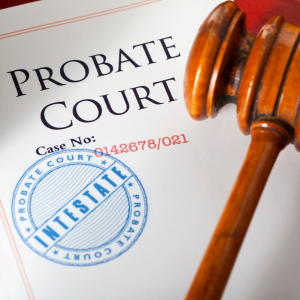
When you are selling inherited property in Texas, the role of the probate court is one of the most important factors you must consider. They are one of the most important entities that shape the management and transfer of estates. The probate court deals with many aspects of the law, such as the validation of wills and the appointment of the executors who will manage the estate. They also ensure that the estate is not sold before all of the legal formalities are completed and that the heirs are treated fairly. Let’s take a closer look at the role the probate court plays when selling inherited property and the steps involved when selling a property through probate.
How Probate Court Influences Inherited Property Sale
In Texas, probate courts ensure legal procedures are still followed in the sale of inherited property. As well as protecting the rights of the heirs, the courts assist the heirs by authenticating the will and assigning an executor to run the estate. The courts also, in cases of no will, divide the estate according to Texas law, as the legally designated executor acts with the courts’ consent and, in some cases, may have to request the courts’ approval prior to engaging in any property transactions.
In addition to the above, Texas probate courts assist in the distribution of the estate and the settlement of disputes with the heirs and handle arguments of heirs regarding the sale of the estate property. The courts assist in these sales primarily by the mediation of the heirs, and in some cases, the courts have the authority to request sales of property disputes. The probate courts in Texas hold the documentation for the sale of the property to ensure that the sale is equitable to all heirs and to eliminate disputes. This gives structure to the sales of inherited properties.
Managing and Selling Texas Probate Court-Inherited Property: Other Considerations
- In Texas probate, independent and dependent administration affect the level of court supervision needed for property management and sale.
- Determine whether the property is part of the probate estate or bypasses probate through joint tenancy or living trusts to simplify the process.
- To understand complex legal procedures and meet state deadlines, consult a probate attorney.
- Calculate and pay estate and property taxes upon ownership transfer to avoid legal issues.
- A professional property appraisal determines fair market value for inheritance distribution and tax purposes.
- Inform all parties, including creditors, about probate proceedings to avoid estate claims.
- Maintenance and insurance during probate will preserve the property’s value while it’s managed and sold.
- Ask a probate sales broker or agent if they can help reach a wider market and get better offers.
- Transparency with heirs and professionals builds trust and prevents misunderstandings that could delay probate.
This highlights the delicate balance required in Texas probate proceedings and the need to uphold legal standards and protect all heirs.
Necessary Actions Before Selling an Estate.
There are several legal requirements when selling inherited property through probate in Texas. Start by filing the deceased’s will with the probate court requesting to verify the will for its legal standing and to name the executor. After approval, the court will name the executor or personal representative. It is the representative’s job to manage the estate and protect and liquidate its liabilities. Before closing the probate, the court will need to grant permission to the executor to liquidate the estate, especially if the estate includes high-value property. All of the heirs will need to agree to the sale to prevent contesting the probate.
There are debts, taxes, and any claims against the estate that need to be resolved before the property can be listed. Clear and open communication with the heirs will lessen the chance of combative probate contests. It will include the inventory of the estate’s assets and the executor’s report to the court regarding the property in question. Finally, the sale will need to be court-approved to meet the probate issues and ensure that all of the contracts are lawful.
Texas property inheritance is difficult, especially with multiple heirs. Consensus can streamline the sale, protecting everyone’s interests and maximizing returns. Families can avoid disputes and resolve them amicably by communicating and understanding the law. Professional guidance is essential for state law compliance and fair negotiations. Creating and implementing a well-planned strategy can simplify selling inherited property with unanimous approval, protecting the family’s financial and emotional well-being.
Do all heirs have to agree to sell property in Texas? When multiple heirs are involved, selling a home can become more complex, but you still have options. If you need to sell your home quickly, avoid costly repairs, or prefer a hassle-free sale, House Buying Girls is here to help. As trusted cash home buyers in Dallas, TX, and a reliable company that buys homes in Texas, we offer fair cash offers, handle all the details, and make the process seamless. Ready to sell or have questions? Contact us at (214) 393-8026 for a no-obligation offer. Get started today!
FAQs
Do all heirs need to agree to sell inherited property in Texas?
Unless otherwise stated in a will or trust, all Texas heirs must agree to sell inherited property. This rule ensures fairness and state law compliance.
How does the probate court sell inherited property?
The probate court validates wills, appoints executors, and ensures legal distribution and sale of inherited property. Court oversight safeguards heirs.
How can disagreement be resolved?
Heir disputes are often resolved by mediation. If mediation fails, a partition lawsuit may be needed to divide the property or force a sale for fairness.
What is a partition lawsuit, and when is it used?
When other methods fail, a partition lawsuit divides or sells property among heirs. It requires court intervention for fair asset distribution or liquidation.
What can heirs do to sell inherited property?
Heirs should communicate and write a legally binding heir agreement to outline the sale. Seeking professional help with Texas probate laws can also streamline the transaction.
Helpful Texas Blog Articles
- Repair a Settling Foundation in Your Texas Home
- Selling A Mold-Affected House In Texas
- Can You Sell a House with Asbestos in Texas?
- How Much Does It Cost to Sell a House in Texas
- Can You Sue a Previous Homeowner in Texas?
- Paperwork for Selling a House By Owner in Texas
- How To Sell A Portion Of Your House In Texas
- Exploring the Option of Selling Your Texas Home to a Bank
- Who Pays Closing Costs When Selling A House In Texas
- Capital Gains Tax After Selling a House in Texas
- How To Sell A House When You Are Behind On Payments In Texas
- Navigating Texas Real Estate: Selling Your Home Amidst A Lawsuit
- Do All Heirs Have to Agree to Sell Inherited Property in Texas