
A seller called me the morning after a windstorm because three shingles had landed in her azaleas. She wasn’t sure whether to phone a roofer or phone us. “Should I replace my roof before I sell my house?” lands in my inbox almost every week, and the honest answer changes from property to property.
Should You Replace Your Roof Before Selling Your House?

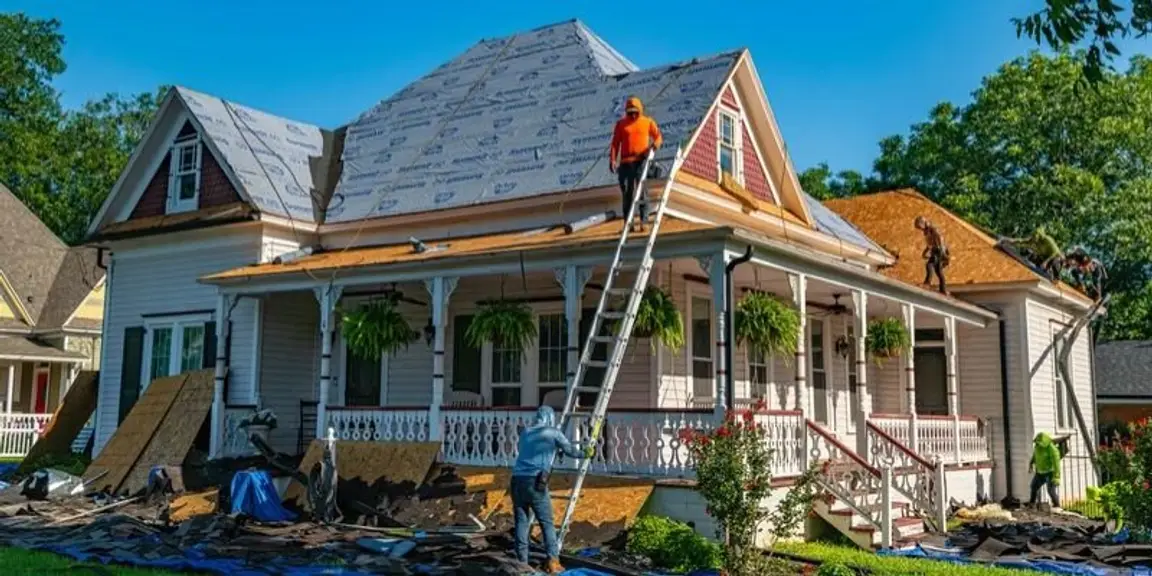
Most sellers shouldn’t replace the roof, and the ones who should usually already know it. A roof with eight good years left is a maintenance item. A roof with curling shingles, soft decking, and a stain on the upstairs ceiling is a different animal. It’ll show up in the inspection report no matter how clean the rest of the house looks, and inspectors tend to flag it first.
Age alone doesn’t tip the scale. What matters is whether a buyer standing in the driveway can see the damage and whether a lender or insurer will balk.
Some sellers spend five figures on a new roof three weeks before listing, then take an offer that would have come in anyway. Others save a sale that was one email away from dying with a $900 flashing repair. Being wrong costs you either way, so the decision deserves more than a gut call.
What Will a Home Inspection Reveal About Your Roof?
Not long ago, three siblings inherited their mother’s ranch house with thirty years of belongings still inside. They wanted a clean exit without a punch list, and the buyer’s inspector had already flagged lifted shingles over the back bedroom.
Inspectors climb up, or at least get close with a ladder or a drone. Roof problems rank among the most common findings in inspection reports, which is why they come up in so many negotiations.
How the problem gets written down matters as much as the problem itself. “Roof at end of serviceable life” reads to a buyer like a bill, and their agent will price that bill high. We walk through the rest of the visit in what happens in a home inspection before buying a house.
The siblings sold to us as-is and skipped the whole exercise. House Buying Girls handles that kind of sale often, and nobody had to empty the house first.
Does a New Roof Really Boost Your Home’s Value?
For years I told sellers a new roof pays for itself, and the data says I was overselling it. Zonda’s 2025 Cost vs. Value report pegged a national asphalt shingle replacement at $31,871, with $21,501 showing back up in resale value. That’s about 68 percent recovered. Your local estimate may land well under the national figure, though the ratio tends to tell the same story.
Buyers don’t pay extra for a good roof. They subtract for a bad one.
That distinction changes the whole calculation. A new roof removes an objection, and it rarely lifts your price above the comps on your street. Its real payoff is what you’d otherwise give up in negotiations once a buyer’s contractor hands over a scary estimate during due diligence.
How Much Does Curb Appeal Affect a Home Sale?

If your roof has green streaks and moss along the north side, buyers decide something about your house before they open the car door. That first impression makes them suspicious of everything else on the property. Even a beautifully renovated kitchen can get ignored when the roof reads as neglected from the sidewalk.
A soft wash often fixes the perception problem for a few hundred dollars. Algae streaking on asphalt shingles is usually cosmetic, yet it photographs terribly, and the listing photo is where your sale starts.
Gutters count too. Sagging gutters and a rust stain down the fascia tell the same story as missing shingles, and they’re cheaper to correct.
Buyers will imagine a lot. Hand them a clean roofline and they picture a cared-for property. Show them moss and they start adding up costs in their head before they reach the front porch.
Is It Better to Repair Your Roof Instead of Replacing It?
“Won’t a buyer just demand a full replacement anyway?” Not usually. Buyers ask for what their inspector documents, and a targeted repair with a paid invoice from an established roofer closes that line item. Texas doesn’t license roofers statewide, so check reviews, insurance, and any city registration before you hire one.
Repairs win when the problem is localized:
- A failed boot around a vent stack
- Storm damage on a short run of shingles
- Flashing pulling away from a chimney
Jobs like these run a few hundred dollars to a couple thousand dollars, and they come with paperwork you can hand a buyer.
Replacement earns its keep when the decking is wet, leaks show up in several spots, or the shingles are past their rated life. Patching a dying roof just pushes the argument to a later date.
Get the repair done before you list. A repair made under deadline pressure during due diligence invites a second inspection, and second inspections find new things.
How Do Market Conditions Affect Your Roof Decision?

Nationally, existing homes took a median of 33 days to sell in September 2026, up from 31 days in August, according to NAR’s monthly existing-home sales report. When a market slows down, buyers gain leverage, and they spend it on condition.
In a market where houses move in a week, a tired roof barely dents your price. Most sellers aren’t in that market right now.
You carry the costs while you wait, too. Two or three extra months of mortgage, taxes, and insurance can eat whatever premium the new roof bought you. Sellers facing a deadline, a job transfer, or an inherited property across the state often find the math favors speed over improvement. If that’s where you are, you can sell your house fast in Dallas without patching the roof first, and we buy houses in Garland the same way.
Selling to a direct buyer like House Buying Girls removes roof condition from the conversation entirely, since we price the property as it stands and take on the repair risk ourselves. You can see how it works before you decide.
Replace, Repair, or Offer a Concession: How Do You Decide?
A credit at closing sounds like the tidy compromise, and plenty of agents push it. Then the buyer’s lender limits seller-paid concessions, or the buyer wants the credit plus a price reduction, and you’re negotiating twice on the same roof.
My rule of thumb is to repair when the defect is isolated and replace when a lender or insurer will refuse the house. Offer a concession only when you’re already under contract with a motivated buyer. In most cases, pricing the house correctly from day one beats all three.
| Option | Use it when | Watch out for |
|---|---|---|
| Repair | The defect is isolated to one area | A rushed repair during due diligence can trigger a second inspection |
| Replace | A lender or insurer will refuse the house as is | You’ll likely recover only part of the cost |
| Concession | You’re under contract with a motivated buyer | Lender limits on seller-paid concessions, and double negotiating |
| Sell as-is | Repairs and time cost more than the spread | A lower price in exchange for speed and certainty |
A landlord called me on a Tuesday with a roof estimate in hand for his duplex. He ran the numbers, then stopped improving and started selling.
Frequently Asked Questions
What Does a Roof Cost on a 4,000 Square-Foot House?
Larger homes mean more roof area, often with steeper pitches and more complex valleys, so expect an estimate well above what a small ranch costs. Material drives the rest, with architectural asphalt at the affordable end and standing seam metal and slate at the top. Get three written estimates before you accept any number, because quotes on big roofs vary more than people expect.
What Should You Skip Fixing Before You Sell?
Leave the cosmetic stuff alone, like popcorn ceilings, dated cabinets, carpet you’d replace anyway, and minor cracks in a driveway. Full kitchen and bathroom remodels rarely pay off on a resale timeline. Put your money toward anything that threatens financing or insurability, and let the buyer handle taste.
When Does a Roof Actually Need Replacing?
Three-tab asphalt often lasts around fifteen to twenty years, and architectural shingles roughly twenty to thirty, though sun exposure and attic ventilation shift that either way. Granules filling your gutters, shingles curling at the corners, daylight through attic boards, or repeated patches in the same spot all point the same direction. A roofer can tell you whether you’re buying time or throwing money at a roof that’s done.
Will a New Roof Raise My Appraisal?
Not by the amount you spent. Appraisers compare your house to similar nearby sales, and a new roof mostly keeps the property from getting marked down for deferred maintenance. It protects value more than it creates it, which is exactly why the return rarely matches the invoice. FHA appraisals are stricter about roofs, and we cover that in FHA appraisal-required repairs in Texas.
Can I Sell a House with a Damaged Roof?
Yes. Texas requires most sellers to list known defects on the Seller’s Disclosure Notice, and you don’t have to fix them. A damaged roof narrows your buyer pool toward cash buyers and investors, since many lenders won’t fund a house the buyer can’t insure. The sale itself is perfectly legal and happens every day. Fill out that disclosure notice honestly before you list.
A new roof pays for itself only when the old one is actively blocking a sale, costing you an insurance policy, or scaring off every financed buyer who walks through. Otherwise you’re spending tens of thousands of dollars to win back about two-thirds of it, and waiting weeks for the privilege. Price the house honestly, disclose what you know, and let the condition show up in the number instead of the invoice.
If you’d rather skip the estimates and the waiting altogether, we buy houses exactly as they sit, roof and all, and we’ll give you a number with no pressure attached. Reach out to House Buying Girls whenever you’re ready to see what that looks like.
Helpful Blog Articles
- Can I sell my deceased parents’ house without probate
- How to avoid capital gains tax when selling a house
- Do I need to paint my house to sell it
- Selling a house with solar panels
- How to Avoid Repossession of Your Home
- How to Sell Land on Facebook Marketplace for Real Estate Success
- How to Sell a House on Facebook Marketplace
- Can Someone Take Over My Mortgage?
- How Long After Closing Does the Seller Get Money
- Should I Replace My Roof Before I Sell My House?