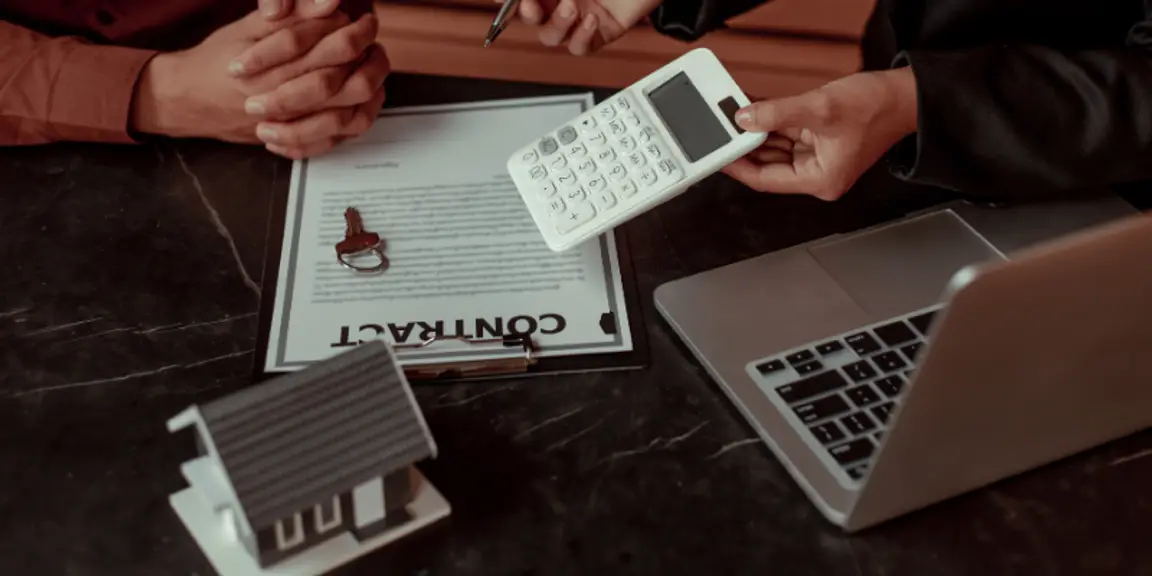


Your name isn’t on the deed. You bought the house together, lived in it for seven years, and now your spouse is talking to real estate agents without a word to you. So the question burning in your head is: can my spouse sell our house without my consent?
My short answer is no. But Texas property law has enough wrinkles that the longer answer matters a great deal.

Spousal Consent Requirements Under Texas Law
Most articles on this topic focus on whether your name is on the deed. This is the wrong starting point. What controls the sale isn’t just the deed; it’s whether the property is your homestead and whether it qualifies as community property under Texas law. Those two factors carry more weight than whose name got typed at the title company.
Under the Texas Constitution, Article XVI, Section 50, and the Texas Family Code Section 5.001, any sale, conveyance, or lien on your homestead is invalid unless both spouses sign. This rule applies even when only one spouse’s name appears on the deed. The non-titled spouse must sign the warranty deed at closing to document their required consent. When a spouse signs that way, they’re not necessarily asserting ownership; they are simply documenting consent under the Constitution.
So if you live in the home and it’s your primary residence, your spouse cannot close a sale without your signature. Full stop.
What Texas Community Property Law Means for Your Home Sale Rights
I used to think community property was mostly a divorce concept. It took buying houses from couples in the middle of separation to understand that it governs everyday transactions too, not just the ones that end up in front of a judge (including routine sales with no conflict).
Texas operates as a community property state, which means assets acquired during marriage generally belong equally to both spouses, regardless of whose name appears on the title. This covers the house you bought in the Woodlands, the townhome in Kessler Park, and the bungalow in Oak Cliff. Purchasing it after your wedding date means both of you own it equally by default, even if only one name is on the deed.
Separate property, which includes assets owned before marriage or acquired through inheritance or a gift, may remain the sole property of one spouse. A prenuptial or postnuptial agreement can also carve property out of the community estate. Those agreements must be in writing and properly executed to be enforceable, so a verbal understanding won’t protect anyone (and courts don’t care how clear the conversation seemed).
Here’s where people get tripped up: even if the house was bought before the marriage, the spouse who moves in and lives there may still need to sign at closing because of the homestead protection. Separate property and homestead are different legal concepts (title companies flag this constantly), and both can require spousal consent.
Joint Ownership and How It Works in Texas

Around 141,519 active listings sat on the Texas market as of March 2026, with the median days on market running about 82 days statewide, according to data from Norada Real Estate and Innago. This volume gives buyers a lot of leverage. It also means a property stuck in a legal dispute between co-owners will likely sit even longer, losing ground as sellers all around it cut prices to compete.
Joint ownership in Texas takes a few forms. Married couples almost always hold property as community property, granting each spouse an equal, undivided interest. Heirs or co-buyers who aren’t married sometimes hold title as tenants in common, where each person owns a defined percentage, or as joint tenants with rights of survivorship, where a surviving owner automatically inherits the deceased owner’s share (it’s worth confirming before any sale closes).
When your name appears on a property deed in Texas, you hold a legal ownership interest, and that prevents another party from selling the home without your consent. If you’re asking, “Can I sell half of my house? “The answer depends on how the property is titled and whether another person has an ownership interest. Understanding your rights as a co-owner is important before attempting to sell any portion of the property. Any legitimate title company will catch this before closing. A buyer’s lender will, too. Attempting to slide a sale through without your signature isn’t just ethically wrong; it’s a transaction that won’t survive the closing table.
Last year, I worked with a family in Pflugerville sorting out a property after both original owners had passed. Three siblings stood to inherit, and one wanted to liquidate fast. The others weren’t ready. Nobody could legally list the property without all three signatures. Co-ownership works this way regardless of how anxious one party gets.
Does Your Spouse Need to Sign to Sell a House in Texas?
A homeowner in Garland once called us after her husband had already signed a listing agreement and scheduled an open house. She had no idea until she spotted the yard sign. He was on the deed; she thought she had no power, but Texas law said otherwise. She isn’t unusual, and it’s one reason we buy houses in Garland from sellers stuck in the middle of a dispute.
In Texas, both spouses must consent to the sale of community property, regardless of whose name is on the deed. That listing agreement meant nothing without her signature at closing, and no title company would have processed the sale without it. Jointly held mortgages typically require both signatures from lenders to release the loan and approve the sale.
Does your spouse need to sign? Yes, in nearly every scenario involving a home purchased during the marriage. The rare exception is a property that is clearly and provably separate, with no community funds mixed in, not used as the marital homestead, and covered by a valid prenuptial or postnuptial agreement. Those situations exist, but they’re far less common than people assume when they’re angry and looking for a way around the rules.
If you’re uncertain how your specific deed reads and what it means for your rights, the team at House Buying Girls works with Texas homeowners in exactly these situations and can help you understand your options before anything gets signed.
What Happens If One Spouse Refuses to Sign During a Home Sale?
One spouse wants to sell. The other won’t budge. This feels like a stalemate, and for a while, it is.

You face the most financial damage when one spouse wants to list, the other refuses, and the home sits in legal limbo while the divorce grinds forward. Every month in dispute is a month of carrying costs, mortgage payments, taxes, and maintenance with no resolution (and that clock runs fast). The Texas housing market in March 2026 recorded a median sale price of $341,800 statewide, per Redfin data, putting real equity at stake.
Partition is a legal mechanism available to co-owners, but it doesn’t typically apply to married couples. If a married individual wants to force the sale of property owned jointly with their spouse, the correct legal process is usually through a divorce proceeding, not a partition action. Under Texas Family Code Section 7.001, a judge must divide community property in a way that is “just and right,” which is not automatically 50/50.
When one spouse refuses to comply with a sale order, the court can appoint a receiver to execute the sale without requiring that spouse’s signature. Court-ordered sales close 10 to 20 percent below a voluntary open-market sale, leaving real money on the table before negotiations even start. Losing that gap on a $340,000 home means somewhere between $34,000 and $68,000 gone. A cooperative sale almost always protects both parties better than a forced one.
A seller in Lewisville came to us with an auction date already set three weeks out. He was three months behind on the mortgage, and the dispute over whether to sell had pushed them past every reasonable window to list on the open market. We were able to move quickly on a cash offer and help them avoid the auction, but the price reflected the urgency. Selling before you’re cornered gets you more money. That’s a lesson I’ve watched play out on deal after deal. Sellers who call cash home buyers in Lewisville earlier than he did usually keep more of their equity.
If you’re in a situation like this, reaching out to House Buying Girls early gives you the most options. We buy directly, which eliminates the months-long listing process and the risk of a sale falling apart at the last minute.
After a divorce is finalized, if former spouses still share title, a partition action becomes available when they hold the property as tenants in common, and the divorce decree didn’t fully resolve the real estate.
An experienced Texas real estate attorney is your best first call when a refusal enters the picture. The Texas State Law Library is a good starting point for verified statutory resources and attorney referrals. For co-ownership disputes involving inherited property or family land, LoneStarLandLaw.com’s breakdown of Texas partition law is a well-sourced reference on how the process works under the Texas Property Code.
Frequently Asked Questions
Can I Sell My House Without My Spouse’s Signature in Texas?
In most cases, no. Texas community property law and homestead protections both require both spouses to sign the deed at closing when the home is marital property or the family’s primary residence. The narrow exceptions involve property that is clearly separate, not used as the homestead, and supported by a valid written marital agreement. If you’re unsure which category your home falls into, a real estate attorney can review your deed and ownership history.
Can My Husband Sell the House Without Me Knowing?
He cannot complete a legal sale without your signature on the closing documents, so by the time any transaction is final, you would have had to be involved. A listing agreement or accepted offer can happen without you, but those steps don’t transfer ownership. The deed transfer requires your consent when the home qualifies as community property or the marital homestead, which covers the vast majority of homes purchased during marriage in Texas.
Can My Husband Kick Me Out of the House He Owns in Texas?
Texas homestead law offers strong protections here. If the property is your primary residence, your rights as a homestead occupant don’t simply disappear because the deed has only his name on it. That said, the specific facts of your situation, whether you’re legally married, whether the property was acquired before or during marriage, and how title is held, all shape exactly what those protections look like. A family law attorney can give you a clear picture based on your circumstances. The Texas State Law Library at sll.texas.gov has resources for finding legal aid if cost is a concern.
What Happens If One Spouse Doesn’t Want to Sell the House?
During an active marriage, the refusing spouse holds real legal power. No legitimate sale can close without their signature. If divorce proceedings are underway, a family court judge can order the sale under the “just and right” division standard in the Texas Family Code, and the court can appoint a receiver to handle the process if the refusing spouse won’t cooperate. The cost of a forced or court-ordered sale almost always lands below what a voluntary sale would bring, so both parties generally do better reaching an agreement before involving the court.
If you’re caught in a dispute over your home, or you simply want to understand your options before things escalate, we’re here. No pressure, no obligation. House Buying Girls works with Texas homeowners every day who are sorting through exactly these situations, and a conversation costs you nothing.
Helpful Texas Blog Articles
- Fire Damage Restoration Companies in Texas
- Sell A House With Water Damage In Texas Fast
- How Does Medicaid Verify a Home Sale
- Donating a House to Charity in Texas
- Selling Investment Property in Texas
- How Long Should You Live In A House Before Selling It
- Can My Spouse Sell Our House Without My Consent In Texas
- How To Sell Your House To A Developer In Texas
- Can I Sell Half of My House In Texas
- Eviction Process in Texas
- Should I Remodel My Kitchen Before Selling
- Can You Sue a Home Inspector