

A kitchen fire in a Katy subdivision can go from a grease flare-up to a structurally compromised house in under three minutes. Walking into those houses afterward, the thing that strikes you first isn’t the char. It’s how much of the damage came from water, smoke, and decisions made too slowly in the first 24 hours. Knowing which fire damage restoration companies in Texas to call, and how quickly, matters more in that window than anything else you do.
Fire Damage Restoration in Texas: A Real Homeowner Story
Earlier this spring, the Henderson family called us after their home in Pflugerville had been on the market twice with two different agents and had received zero offers both times. A kitchen fire had left visible soot staining in the HVAC returns and a persistent smoke smell that showed up the second you opened the front door. The agents had staged around it, but no staging hides that odor. We ended up buying the house as-is, but the Hendersons would have been far better served if a qualified restoration company had stepped in before the first listing ever went live. As a “We Buy Houses in Texas” company, we see this exact scenario often: solid bones, cosmetic damage, and a smell no listing photo can fix.
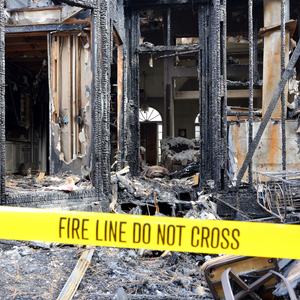
Texas structure fires cause more than $800 million in property losses per year, with roughly 20,000 structure fires reported statewide in 2023, the most recent year of complete Texas Fire Incident Reporting System data. That volume means restoration crews in this state tend to be battle-tested. Homeowners sorting through this right now are in a stronger position simply by knowing who does what and what to ask for, rather than calling the first number that comes up in a search.
Companies worth considering for full-scope fire restoration in Texas include SERVPRO (multiple franchise locations across Houston, Dallas-Fort Worth, and San Antonio), Paul Davis Restoration, ServiceMaster Restore, Belfor Property Restoration, and Rainbow International. Each operates with IICRC-certified technicians, works directly with insurance adjusters, and handles everything from initial assessment through final reconstruction. If selling the property ends up making more sense than restoring it, that’s the situation House Buying Girls specializes in.
What Fire Restoration Companies in Texas Actually Do
A full-service restoration firm doesn’t just clean up ash and repaint walls. Their scope typically covers:
- Water extraction from firefighting efforts and structural drying
- Smoke and soot removal from every affected surface
- HVAC decontamination and duct cleaning
- Odor elimination (thermal fogging, ozone treatment)
- Debris removal and temporary board-up/tarping
- Contents packout, cataloging, and cleaning
- Full reconstruction, where structural damage requires it
Insurance companies typically take 30 to 60 days to process fire claims, so a good restoration company keeps detailed documentation (photo logs, moisture readings, scope reports) to keep that process moving.
Houston’s humidity adds its own complication: smoke residue and soot embed more aggressively into porous surfaces when the air is humid, so what looks like a surface-cleaning job often needs deeper treatment. Dallas-Fort Worth properties face a different issue. Seasonal storms can delay exterior work mid-restoration, stretching timelines and adding costs homeowners rarely budget for. If that timeline stretches beyond what makes sense for your situation, cash home buyers in Fort Worth, TX, are worth talking to as an alternative path.
Ask any company you’re vetting whether they’re IICRC-certified. That’s the industry standard for restoration work, and a crew without it is a risk you don’t need to take.
Fire Damage Restoration Cost in Texas: Typical Price Ranges
Costs vary by home size, damage severity, and local labor rates, but industry cost guides put most services in these ranges:
| Service | Typical Cost Range |
|---|---|
| Smoke odor removal (per room) | $200 – $1,200 |
| HVAC duct cleaning | $150 – $800 |
| Soot removal (whole home) | $2,000 – $6,000 |
| Water extraction & drying | $1,000 – $6,000 |
| Full fire restoration project | $3,000 – $52,000+ |
Always get a written scope before work begins so these ranges translate into an actual, itemized estimate rather than a rough verbal quote.
Board-Up and Roof Tarping Services in Texas
Roof tarping after a fire is typically billed separately from restoration work, which surprises a lot of homeowners when the invoice arrives.
A fire-damaged roof left open overnight during storm season can turn a modest restoration job into a much larger one once water intrusion sets in. Reputable Texas restoration companies dispatch board-up and tarping crews within hours of a call, often before an insurance adjuster ever sets foot on the property.
One pattern we see often: homeowners wait for confirmation from their insurer before calling for emergency services. Don’t. Most policies cover emergency mitigation, and delaying that step tends to make the overall claim larger, not smaller. Call the restoration company first, then call the adjuster. The documentation the restoration crew creates during board-up often becomes the strongest evidence for the full insurance claim.
In North Texas, high winds from spring storms have caused improperly anchored tarps to fail. Get written confirmation that any temporary measures carry their own warranty.
Smoke, Soot, and Odor Removal After a Fire in Texas
A homeowner in Houston’s Timbergrove neighborhood called us about a house she’d inherited. A small bedroom fire had been put out quickly, but the smoke had traveled through the HVAC system into every room. By the time she reached out, the smell had made the house impossible to live in or show to buyers. Sellers in that spot often end up weighing restoration quotes against what cash home buyers in Houston, TX will pay for the house as it stands.
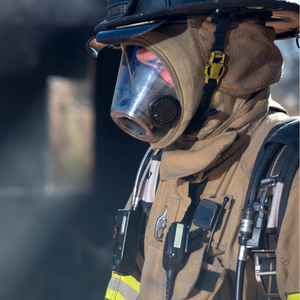
Soot is acidic. Left untreated, it keeps etching into drywall, metal fixtures, and wood framing long after the fire is out. A restoration company that simply paints over soot is doing you a disservice. Proper treatment means chemical sponging, in some cases, dry ice blasting, and cleaning every air duct in the structure. Industry cost guides put smoke damage restoration at roughly $200 to $1,200 per room, and the price only climbs the longer the treatment is delayed.
Odor removal is where cheaper crews often cut corners. Thermal fogging and ozone treatments both work, but they address the symptom. Subflooring that absorbed smoke, or an HVAC system that pulled particles into the ductwork, will defeat any amount of surface treatment. Look for a company that scopes the HVAC system before quoting the odor work, since ductwork contamination roughly doubles the job scope.
Fire Damage Contents Packout and Restoration in Texas
Skip the contents packout step, and you may discover months later that the furniture you thought was salvageable was slowly corroding from embedded soot acids the whole time.
Packout services move personal belongings to a controlled facility where each item is cataloged, cleaned, and stored while the home is restored. A proper contents inventory, with photographs and condition notes taken before any cleaning begins, protects you if the insurer’s initial estimate undervalues the loss.
Restoration companies with in-house packout capabilities are generally worth choosing over those who subcontract it, since every handoff is a point where items get lost, miscataloged, or improperly treated. In greater Houston and DFW, several firms handle contents restoration entirely under one roof, keeping the chain of custody clean and the claim documentation tighter.
Electronics, artwork, documents, and textiles all need different treatment protocols. A good content team will tell you plainly when something isn’t salvageable rather than billing for a cleaning that won’t restore function.
How Residential Fire Damage Restoration Works in Texas
People often picture fire restoration as a linear process: cleanup, then repairs, then move back in. What actually happens is a messier sequence of parallel tracks that depend on each other.
The insurance adjuster’s assessment sets the budget. The restoration scope gets written against that budget. If the adjuster underbids, the contractor either does less work or the homeowner covers the gap. Getting an independent estimate before accepting the insurer’s figure is a step most homeowners skip, and it regularly costs them. National cost data shows fire restoration projects commonly range from roughly $3,000 to $52,000+, so the spread between a low-ball adjuster estimate and a realistic one can be substantial.
Texas also has local code requirements that affect the scope. In some Dallas jurisdictions, an electrical fire can trigger a full rewiring requirement under local fire code. In parts of Houston, severe cases can activate sprinkler retrofit requirements, with permit fees that add up quickly. These aren’t optional line items. They’re permits that get pulled and inspected. Any restoration contractor worth using builds code compliance into the estimate from the start.
Do you know whether your homeowner’s policy covers replacement cost or actual cash value for your contents? That distinction alone can shift recovery by thousands of dollars, and most people don’t check until after the fire.
Commercial Fire Damage Restoration Services in Texas
Residential properties aren’t the only ones that need attention after a disaster. Texas has a dense commercial real estate market across Houston, the Dallas-Fort Worth corridor, San Antonio, and Austin, and commercial fire damage brings its own complications. Business interruption costs stack up fast.
Business interruption is the cost that rarely gets budgeted properly. Every day a restaurant, office, or retail space sits closed is lost revenue, and in competitive Texas markets, customers don’t always come back. Commercial restoration companies prioritize containment and phased reopening, sectioning off unaffected areas so part of an operation can keep running while restoration proceeds elsewhere.
Industrial properties near the Houston Ship Channel or warehouses across DFW also face biohazard considerations if chemicals are stored on-site. A full-service commercial crew should be certified for both standard fire/smoke cleanup and biohazard remediation before you sign a contract. If selling ends up making more financial sense than rebuilding, weigh an as-is sale against the full commercial restoration bid before you commit to either one.
Water, Fire, Mold, and Storm Damage Restoration in Texas
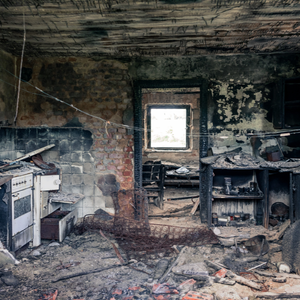
Every major fire suppression effort introduces large volumes of water into a structure. Firefighters soak walls, subfloors, and insulation. If that moisture isn’t extracted and the structure dried within roughly 48 to 72 hours, mold growth begins. Texas humidity, especially across greater Houston, accelerates that timeline. What starts as fire and smoke damage can become a mold remediation job layered on top, and the costs compound.
Storm damage from hurricanes and tropical storms adds another layer. A restoration company that handles fire, water, mold, and storm damage under one contract saves the coordination headache of managing three separate contractors and three separate schedules.
Maria Delgado reached out midweek about a duplex in League City she was dividing as part of a divorce settlement. The garage had sustained fire damage from an electrical fault, and flooding from a subsequent tropical storm had pushed moisture into the shared wall. Neither she nor her ex wanted to manage a restoration project during asset-split negotiations, so a conventional sale was off the table from the start. We bought the property as-is and closed in under three weeks. If you’re in a similar position, House Buying Girls is a direct resource worth contacting.
Frequently Asked Questions
How do you choose a fire restoration company?
Verify IICRC certification first, then ask whether the company handles the full scope in-house or subcontracts portions of the work. Get at least two independent estimates, and confirm experience with Texas-specific code requirements in your city. A contractor who communicates directly with your insurance adjuster and documents thoroughly will almost always produce a better claim outcome.
Who is SERVPRO’s biggest competitor?
SERVPRO’s primary national competitors are ServiceMaster Restore and Belfor Property Restoration, with Paul Davis Restoration and Rainbow International also competing directly in the Texas market. Comparing local franchise reviews in your specific market (Houston, Dallas, or San Antonio) gives a more accurate picture than national brand rankings alone.
How much does SERVPRO typically cost to come out?
Pricing varies by franchise location, scope of damage, and local labor rates. Initial assessments are often free, but full restoration costs depend on the extent of fire, smoke, soot, and water damage present. Projects range from modest four-figure cleanups to six-figure full reconstructions, depending on severity.
What’s the difference between remediation and restoration?
Remediation removes hazardous material (mold, biohazard contamination, toxic residue), returning conditions to a safe level. Restoration goes further, repairing or rebuilding the structure and contents to their pre-damage condition. After a fire, you typically need both: remediation for smoke residue, soot acids, and resulting mold, followed by full restoration of the structure, flooring, subfloors, and HVAC systems.
If you’ve got a fire-damaged property in Texas and you’re weighing whether to restore it or sell it as-is, we’re happy to talk through both paths with you. No pressure, no obligation. Reach out to House Buying Girls whenever you’re ready.
Helpful Texas Blog Articles
- Selling a House That Needs Repairs
- How To Sell Your House During A Divorce In Texas
- Do You Need A Termite Bond To Sell Your House In Texas
- FHA Appraisal Required Repairs in Texas Explained
- Showing Your House While Living in It
- What Happens if a Seller Refuses To Close
- Can You Sell A House As Is Without Inspection in Texas
- Can Your HOA Put A Lien On Your House In Texas
- How To Stop Foreclosure in Texas
- Can A Seller Back Out Of A Real Estate Contract In Texas
- Short Sale Vs. Foreclosure In Texas
- Can You Sell A House With Tenants In Texas
- Cost to list on MLS in Texas
- Fire Damage Restoration Companies in Texas
- Sell A House With Water Damage In Texas Fast