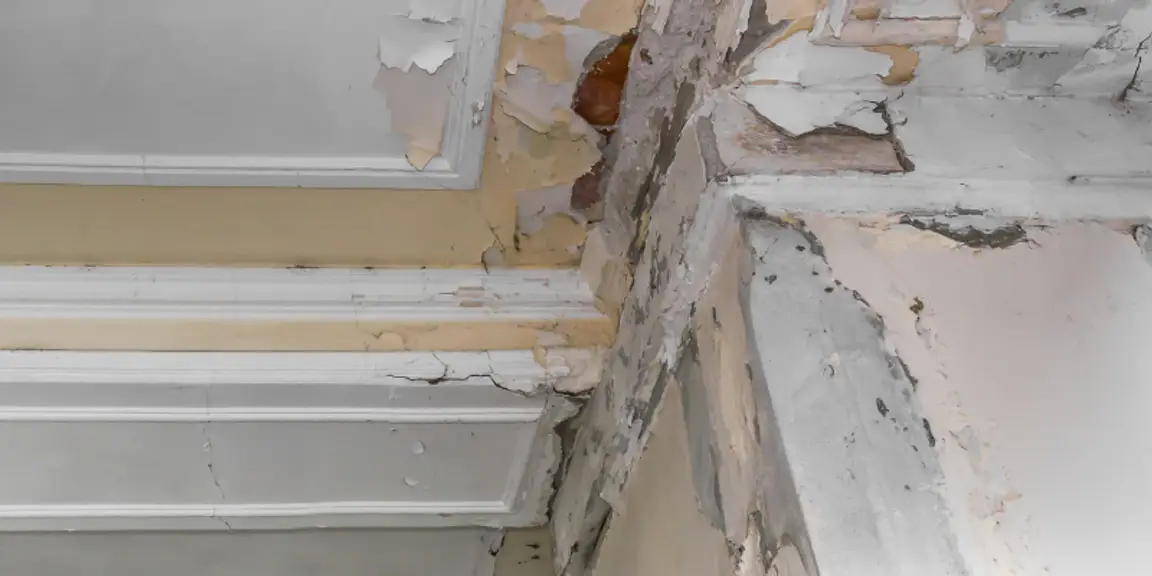

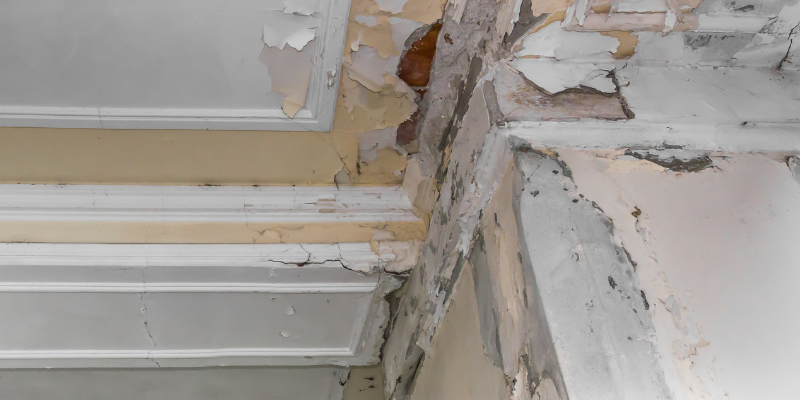
Your roof took a hit during a storm. A pipe behind the kitchen wall finally gave out. Maybe the previous owner filed an insurance claim years ago (that claim history shows up on CLUE reports), and now the buyers’ home inspector is circling the property with a moisture meter. Whatever the source, you’re sitting in a water-damaged home in Texas and wondering what your realistic options are.
Good news: you have more ways to sell a house with water damage in Texas than you think. So which path actually makes sense for your situation?
Selling a Water-Damaged House in Texas: What Sellers Need to Know First
That question above isn’t rhetorical. Sellers in this situation tend to fall into one of two camps: those who assume the damage kills the deal no matter what, and those who assume they can paint over a stain and move on. Both approaches cost money. The truth sits somewhere in the middle, and the path you take should depend on how much damage you’re dealing with, how much equity you have, and how fast you need to close.
Texas is a big, varied state. A flooded slab home in Houston’s Meyerland neighborhood, which has seen repeated flooding from Brays Bayou, sits in a completely different risk category than a house in Frisco with a slow plumbing leak under the kitchen. The insurance claim history, the flood zone designation, and the local buyer pool all shape what your sale looks like. Water damage restoration in Texas commonly runs somewhere in the $6,000-$18,000 range for moderate cases, though the number swings widely based on severity, the state’s climate extremes, and how often a given area sees coastal or flash flooding.
One thing I keep seeing in this market: sellers spend money fixing things that buyers discount anyway. They repair the visible damage but skip the documentation, so buyers get the inspection report, see past moisture readings behind the walls, and walk. The repair didn’t matter because the paper trail wasn’t there. Spend your money on the right things, or skip the spending altogether and price accordingly.
Texas homes were staying on the market an average of 80 days as of the first quarter of 2026, about 6 days longer than the same period the year before, according to the Texas REALTORS® Quarterly Housing Report. Add water damage to the equation, and a property that isn’t priced or presented well can linger well past that. Speed and strategy matter here more than they do in a normal market.
Does Water Damage Lower Your Home’s Value in Texas?
A seller in Katy came to me after a plumbing failure had soaked two rooms for several days before anyone noticed. The remediation company had been out, the visible damage was cleaned up, and she thought the house was essentially back to market-ready. Her first buyer bailed after the home inspection flagged residual moisture behind the drywall, which means a clean surface isn’t the same as a clean reading.
Yes, water damage devalues your house, but the degree depends heavily on what you did about it and when. Active problems or untreated damage are far more damaging to your sale price than past issues that were handled correctly. Properly repaired past damage tends to concern buyers far less than active leaks or ongoing moisture problems, which are much more likely to push buyers out the door.
Sellers in Texas often underestimate mold more than any other part of this problem. Texas summers give mold exactly what it needs: warmth and moisture. Once moisture gets into drywall, insulation, or flooring, mold can develop quickly if the area wasn’t dried out properly. A buyer walking through a house in Sugar Land or Pearland who catches a musty smell will start doing math in their head, and that math almost never favors the seller.
The appraisal hit is real too. Appraisers are required to note visible water damage, prior flood events, and proximity to flood zones. A property sitting in a 100-year flood plain will carry that designation in the appraisal report and affect what a lender will finance against it. The bank cares just as much as the buyer does, so you can lose a deal at the finish line even after a buyer is fully committed.
How Water Damage Affects Your Home’s Resale Value in Texas
Some sellers push back on this and say, “I fixed everything. There’s no reason my price should be lower.” That argument makes sense on the surface, and sometimes it’s right. But buyers don’t have the same information you do, and their perception carries real weight in a negotiation, often more than the receipts you’re holding.
Buyers usually notice water damage during home tours. Stains, musty smells, and warped floors stand out immediately, and even minor visible damage can make people question the home’s overall condition. Skepticism like this translates directly into lower offers, repair credits, or both.
Here’s the math that actually matters: even homes with no water history at all are seeing price cuts right now. Recent 2026 market data shows roughly a quarter of Texas homes on the market have had at least one price drop. Add a disclosure item about past flooding or a leak, and your negotiating position is weaker from the first showing. Buyers know it, and their agents know it.
Have you gotten repair estimates yet? If not, get at least two before you do anything else. The gap between what a contractor charges and what a buyer will credit you for is often wider than sellers expect. I’ve seen sellers spend $15,000 on a repair, then get asked for a $20,000 credit by a buyer who didn’t trust the quality of the work. Transparency and documentation are worth more than the repair itself in most cases.
Do You Have to Disclose Water Damage When Selling a House in Texas?
Do you have to tell buyers about the leak that happened three years ago if everything looks fine today?
Yes. Texas law requires sellers to complete a Seller’s Disclosure Notice, and that form covers previous flooding, insurance claims, and any known water intrusion the seller is aware of. There is no gray area here. Skipping it or checking “unknown” when you clearly know about a problem exposes you to lawsuits after closing.
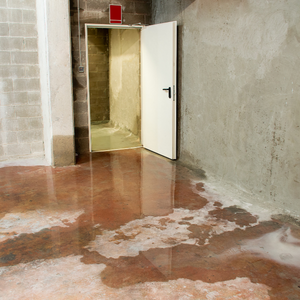
Buyers who discover after the fact that something was hidden tend to lawyer up. Litigation, legal costs, and the possibility of unwinding a deal you thought was done all become real risks. An attorney can run you far more than the disclosure would have cost you in price negotiations. Filing an insurance claim that you don’t disclose is especially risky since that claim’s history lives in the CLUE report, and a sharp home inspector will find it every single time.
The disclosure requirement exists to protect buyers, but it also protects sellers who fill it out honestly. A well-documented, fully disclosed water history paired with repair receipts and a remediation certificate actually builds trust with serious buyers. Real estate attorneys in Texas will tell you the same thing: document everything and disclose everything. A thorough paper trail is your best defense against any future legal action, and I’ve never seen a seller regret having too much documentation.
If you’re working with House Buying Girls, you won’t need to worry about buyers backing out over disclosed damage. Cash buyers who specialize in Texas properties already factor known issues into their offer, so the disclosure becomes a conversation rather than a dealbreaker.
Why a Traditional Sale Gets Complicated After Water Damage in Texas
A seller in Humble called me after his house had been under contract twice. Both times, the sale fell apart at inspection. He’d disclosed the prior flood damage from a drainage backup, done the repairs, and had the paperwork. Still, both buyers got cold feet after the inspection report flagged the history (documented repairs included).
That pattern repeats constantly. A traditional sale through the MLS relies on buyers who are mostly financing the purchase, bringing their lender into the process. Home inspectors use moisture meters, thermal cameras, and a sharp eye during inspections. They check for residual moisture behind walls, signs of mold, foundation movement, roof leaks, and anything that registers as unusual. They’re thorough because they’re paid to find problems.
When the inspection report includes water-related findings, lenders get nervous. Some won’t approve a mortgage on a property with active moisture concerns. Others will require repairs before funding. This creates a loop where the seller either fixes the problem before closing (at their own expense), accepts a reduced price, or watches the buyer walk.
Flood zone designation compounds the problem. Properties in FEMA-designated high-risk flood zones require buyers to carry flood insurance as a condition of their bank loan. The cost can be steep, and it shrinks the pool of buyers willing to purchase. Standard homeowners insurance policies don’t cover flood damage, so buyers in those zones need a separate flood insurance policy through the NFIP or a private insurer. An extra monthly cost like this is something some buyers won’t absorb, especially first-time buyers already stretched on their mortgage payments.
What Repairs Increase Resale Value on a Water-Damaged House?
Not every repair pencils out, and spending money on the wrong ones is one of the most expensive mistakes a seller makes.
A couple of weeks ago, I met with the Salinas family in Pflugerville, whose kitchen had sustained water damage from a roof leak that wasn’t caught for several weeks. They had a contractor out who quoted full cabinet replacement, new flooring throughout, and ceiling repair. The estimate came in near $40,000, more than the kitchen’s contribution to the home’s overall value. There lies the trap: contractors price for quality, not return on investment.
The repairs that actually move the needle are the ones that clear inspection red flags:
- Mold remediation with a certified report
- Plumbing repairs that address the source of the original problem, not just the symptom
- Roof repairs that eliminate active leaks
- Structural drying and moisture documentation from a licensed restoration company
Those four things give you something concrete to hand buyers and their home inspector, and in my experience that documentation is what keeps deals from falling apart after the inspection period.
Cosmetic repairs like new flooring or fresh paint over water-stained ceilings are a different story. Buyers will assume you’re hiding something, and a home inspector will check those surfaces anyway. Put that money toward documentation instead. The repair receipts and remediation certificates from licensed contractors will carry more weight with a serious buyer than a fresh coat of paint ever will.
Repair and List, Sell As-Is, or Go Cash: Your Options in Texas
Sellers often picture only two choices: fix everything and list, or dump the house for pennies. Neither extreme is usually accurate.

Your realistic options break down into three categories. The first is a traditional MLS listing, fully repaired and disclosed. This works if the damage was minor, you have the cash to fund proper repairs, you’ve got time (remember, homes in Texas are averaging around 80 days on market right now, per Texas REALTORS® data), and you can tolerate the inspection risk. The second option is listing as-is on the MLS at a reduced price, disclosed fully, and marketing to investors and renovation buyers. You’ll attract fewer conventional buyers but more cash buyers. The third option is going directly to a cash buyer, often marketed under a banner like “We Buy Houses In Texas,” who purchases properties in as-is condition.
The MLS route does offer the widest buyer pool, but in the current market, that pool shrinks fast when water damage is in the picture. Investors looking for properties to fix and flip are more comfortable with the risk, but they also negotiate hard, so your as-is MLS price still needs to reflect the real cost of work. As of mid-2026, Texas has roughly 150,000 active listings statewide and around 5 months of supply, a level most analysts consider balanced-to-buyer-leaning rather than a strict seller’s market, which gives buyers more room to negotiate than they had a couple of years ago.
Cash buyers, including teams like House Buying Girls, skip the inspection contingency, the lender appraisal, and the financing fallthrough risk. They price based on the condition they can see, close on a timeline that works for you, and handle the repairs themselves. Simplicity has a cost (a lower gross number), but it tends to save sellers the carrying costs, failed contracts, and repair expenses that eat into a traditional sale anyway. It works the same way across the state, whether you sell to cash home buyers in Houston, TX, or here in the Dallas-Fort Worth metro.
Traditional Sale vs. Cash Sale: Comparing Your Selling Options
The median home sale price in Texas was $343,779 as of May 2026. On a house at that price, selling through a traditional agent means giving up roughly 6 percent to cover commissions and closing costs. Add any repair credits a buyer negotiates after inspection, and your actual net shrinks further. On a water-damaged property, those repair credits can add up to $10,000 or more, which, on a tight equity margin, can flip a decent sale into a breakeven.
| Traditional MLS (repaired) | As-Is MLS Listing | Cash Sale | |
|---|---|---|---|
| Buyer pool | Widest, mostly financed buyers | Narrower, mostly investors | Single direct buyer |
| Upfront repair cost | High, paid by you before closing | None, priced into the offer | None |
| Inspection/financing risk | High, sale can fall through | Moderate | None |
| Typical timeline | 60-90+ days | 30-60 days | As little as 1-3 weeks |
| Gross sale price | Highest, if repairs hold up | Reduced for the condition | Below market value |
| Best for | Minor damage, time and cash on hand | Moderate damage, some flexibility | Extensive damage or a fast, certain closure |
A cash offer will typically come in below market value, but the right question isn’t “how much is the offer?” It’s “how much do I actually net after repairs, credits, carrying costs, and time?” Those numbers tend to end up closer together than sellers expect.
For properties with moderate damage, a traditional sale after targeted repairs (mold remediation, structural drying, and plumbing fixes) can still produce a strong outcome if the market is right and the documentation is solid. For properties with extensive damage, failed prior contracts, or serious mold issues, a cash sale through a direct buyer usually produces the better outcome once you run the real numbers.
How much equity you’re sitting on shapes every decision that follows. If you owe close to what the house is worth in its damaged state, a traditional sale might be the only path to breaking even. If you have room between what you owe and the as-is value, a cash offer can close fast and put money in your pocket without the stress of a drawn-out MLS process.
Common Mistakes Texas Homeowners Make Selling a Water-Damaged House (and How to Avoid Them)
For a long time, I thought the most common mistake was skipping repairs entirely. It’s not. The real mistake is spending money without a strategy.
The first big error is patching visible damage without addressing the source. A fresh ceiling texture over a water stain looks fine to the naked eye and terrible to a moisture meter. Buyers get the inspection report. They see the meter readings. The patch job actually makes things worse because now they wonder what else was covered up.
Pricing without accounting for the water history is the second misstep. Some sellers pull comps from their neighborhood, ignore the damage disclosure, and list at full market value. That price invites buyers who aren’t expecting water issues, and then the sale falls apart after inspection, which I’ve watched happen more than once on properties that were otherwise solid. A better approach is pricing from the start in a way that reflects the known condition, so you attract the right buyer pool from day one.
The third mistake is waiting. Untreated water damage doesn’t stay stable, as mold spreads and wood rots. What might cost $8,000 to remediate today can cost significantly more six months from now if moisture is still active. Carrying a damaged property while holding out for the “right” offer is a slow leak in the wrong direction.
Skipping legal counsel when the damage is serious is the fourth error. If your property has flood history, prior insurance claims, or mold documentation, having a real estate attorney review your disclosure before you list protects you from liability down the road.
How to Sell a Water-Damaged House Fast in Texas
Get the paperwork in order before you do anything else. If you’re sitting across from me right now and your house has water damage, that’s the first thing I’d tell you.
Pull your insurance claim history. Gather any remediation reports you have. If you don’t have remediation documentation, get a licensed contractor out for an assessment before you list. That report, even if it shows remaining issues, is better than a mystery because a buyer discovering damage on their own will always assume the worst. Buyers and their home inspectors will find the problems anyway; you want to be the one who found them first and can speak to them directly.

Price it honestly from day one. In a market where a meaningful share of Texas sales are already seeing at least one price cut, buyers are negotiating hard from the start. A water-damaged home priced at full market value will sit, accumulate days on market, and signal desperation every time you reduce the price. Set it right at the start instead.
If your timeline is short, a cash buyer is almost always the faster path. No financing contingency, no MLS exposure period, no waiting for a lender to clear the appraisal. A reputable buyer like House Buying Girls will give you a straightforward offer based on what the property actually is, not what it might be after repairs. For sellers who need to move quickly due to relocation, foreclosure risk, or estate situations, that certainty is worth it (and I’ve seen it prevent far worse outcomes).
Megan Coleman contacted me on a Thursday about a home in Conroe she was selling on behalf of her mother, who had just moved into assisted living earlier that month. The house had an old roof leak that had never been fully addressed, and the garage was packed with her mother’s belongings, including boxes of documents and old furniture stacked against the water-damaged back wall. Megan lived in Dallas and couldn’t manage a traditional sale from a distance, so she went looking for cash home buyers in Conroe, TX, who could handle everything remotely. She needed a clean, fast exit with no repair obligations. We got her to closing in under three weeks. She kept one carload of personal items from the garage and left everything else behind. That kind of situation is exactly what a direct cash buyer is built for.
Frequently Asked Questions
Do Sellers Have to Disclose Water Damage in Texas?
Yes. Texas law requires a Seller’s Disclosure Notice covering known water intrusion, past flooding, and prior insurance claims. It’s not optional, and skipping it or misrepresenting what you know exposes you to lawsuits after closing.
What Should You Not Fix Before Selling a Water-Damaged House?
Cosmetic repairs that mask rather than solve the underlying problem are worth avoiding. Fresh paint over water-stained surfaces, new flooring laid over unaddressed subfloor moisture, or patched ceilings with no remediation documentation underneath tend to backfire. Buyers’ home inspectors will check anyway, and the patch can signal that you were hiding something. Spend money on structural drying, mold remediation, and source repairs instead, then document all of it properly.
How Much Does Water Damage Devalue a House?
Estimates vary a fair amount depending on the source and the severity of the damage. Some studies point to relatively small impacts, just a few percent, for minor, well-documented issues that were properly repaired. Restoration-industry sources more commonly cite a 10–25 percent range for moderate cases, and severe flooding with mold involvement or structural concerns can push the discount higher still. The bigger factor is often how the damage is presented and documented, not the damage itself.
What Is the Hardest Month to Sell a House in Texas?
January and February are historically the slowest months for Texas home sales. Fewer buyers are actively searching, days on market stretch longer, and sellers tend to accept lower prices to attract offers during the winter slow period. If your timeline allows any flexibility, listing in March through June gives you access to a larger buyer pool. That said, a cash sale to a direct buyer can close quickly in any month, regardless of seasonal trends.
If you’d like to talk through what your house is worth in its current condition and what your options actually look like, reach out to House Buying Girls. No obligations, no pressure, just a straightforward conversation about what makes sense for your situation.
Helpful Texas Blog Articles
- Selling a House That Needs Repairs
- How To Sell Your House During A Divorce In Texas
- Do You Need A Termite Bond To Sell Your House In Texas
- FHA Appraisal Required Repairs in Texas Explained
- Showing Your House While Living in It
- What Happens if a Seller Refuses To Close
- Can You Sell A House As Is Without Inspection in Texas
- Can Your HOA Put A Lien On Your House In Texas
- How To Stop Foreclosure in Texas
- Can A Seller Back Out Of A Real Estate Contract In Texas
- Short Sale Vs. Foreclosure In Texas
- Can You Sell A House With Tenants In Texas
- Cost to list on MLS in Texas
- Fire Damage Restoration Companies in Texas
- Sell A House With Water Damage In Texas Fast