![Sell A Fire-Damaged Home In [market_city]](https://image-cdn.carrot.com/eyJidWNrZXQiOiJwcm9kdWN0aW9uLmNhcnJvdC11cGxvYWRzLm9uY2Fycm90LmNvbSIsImtleSI6InVwbG9hZHMvc2l0ZXMvNzA1NjcvMjAyNi8wNC9TZWxsLUEtRmlyZS1EYW1hZ2VkLUhvbWUucG5nIiwiZWRpdHMiOnsicmVzaXplIjp7IndpZHRoIjoxMTUyfSwidG9Gb3JtYXQiOiJ3ZWJwIiwid2VicCI6eyJxdWFsaXR5Ijo3MH19fQ==)

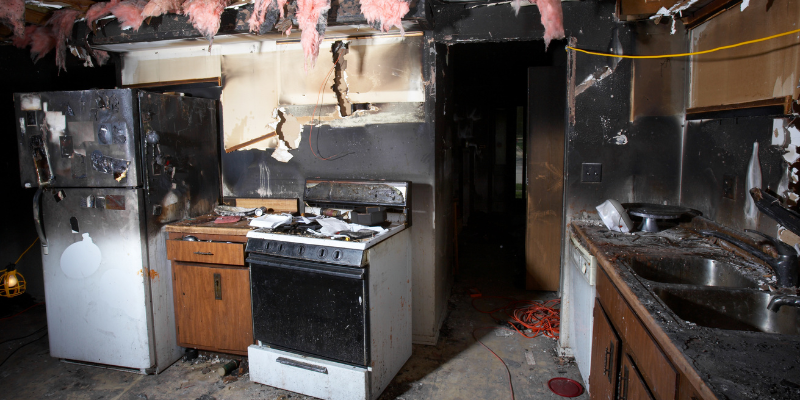
In Texas, about 20,000 structure fires occur yearly, causing over $800 million in damage, while the U.S. saw 344,600 house fires in 2023. Selling a fire-damaged home brings both challenges and opportunities. Some professionals in cities like Houston, Dallas, and Austin specialize in buying these properties. While every situation differs, homeowners have options, and understanding them helps guide decisions around repairs, insurance, and overall condition.
Fire Damage Assessment and Property Valuation Methods in Texas
Assessing fire damage goes beyond what you can see on the surface. Fire affects homes in layers. Direct flame damage burns materials outright. Heat can warp structures and weaken foundations. Smoke spreads through HVAC systems and porous materials. Water from firefighting can introduce mold and long-term structural problems. These combined effects often extend far beyond the visibly burned areas. Damage often continues to evolve after the fire is extinguished.
A professional inspection typically costs about $300 to $800 in many US markets. It is important because it evaluates hidden risks. Inspectors check structural integrity, electrical and plumbing systems, HVAC contamination, and smoke penetration throughout the home. Fire often damages wiring beyond the burn zone. Smoke can infiltrate ductwork and insulation. Water exposure can create unseen issues that worsen over time. Early inspection helps prevent costly surprises later.
Factors such as location, damage, and market conditions all affect property value after a fire. Light damage tends to lower the value by 10-20%. Moderate damage typically reduces the value by 30-50%. Severe damage tends to leave only the value of the land. In Texas, where the median home price was $342,400 in March 2026, and inventory has increased, damaged properties can sell for even lower prices. Texas now has an even greater home deficit, which can further affect the prices of damaged homes. Prices reflect how much risk the buyer is willing to take further after the changes.
Fire damage often extends deeper than what’s visible, leading to hidden repair costs and uncertainty. Instead of dealing with inspections, delays, and unexpected expenses, contact us for a fair cash offer and sell your home as-is, quickly and hassle-free.
Fire-damaged Home Inspection Checklist for Texas Sellers
Before listing or selling a fire-damaged property, complete a thorough inspection to understand the full extent of the damage and avoid costly surprises later. Use a structured approach so nothing is missed during evaluation.
Inspection Checklist:
- Exterior Assessment: Roof damage from fire or firefighting efforts, siding/brick/stucco damage, window and door integrity, foundation cracks from heat stress, and landscaping or outdoor structure damage.
- Interior Structural: Wall and ceiling damage, floor and subfloor integrity, staircase safety, and condition of interior doors and trim.
- Systems Evaluation: Electrical panel and wiring throughout the home, plumbing functionality and water pressure, HVAC system and ductwork contamination, and insulation condition.
- Smoke and Odor Assessment: Smoke penetration into closets and cabinets; fabric and carpet contamination; paint and wallpaper condition; and attic or crawl space contamination.
- Water Damage from Firefighting: Ceiling stains and potential mold; warped or buckled flooring; wall moisture and mold risk; and basement or crawl space flooding.
Once the inspection is complete, document everything thoroughly with clear photos and notes. This record is essential when negotiating with buyers, insurance companies, or cash buyers who specialize in purchasing properties in any condition and rely on accurate documentation to make fair offers.
Texas Fire Damage Insurance Claims Process and Settlement Negotiations

Filing fire damage claims in Texas involves strict timelines that affect the final payout. With most claims, you have two years to submit the claim from the date of the fire, and in most cases, insurers require you to report the claim as soon as possible. The expedited processing of fire claims is based on the immediacy of your report. If you report it later, the claims adjuster has to do a lot more documentation, which can lead to longer processing times.
In Texas, insurance companies must acknowledge a claim within 15 days and finish their investigation within 15 more days after receiving all documents. Adjusters have another 5 business days to send payment once you and the insurance company have a mutually agreed-upon damage estimate where the Prompt Payment of Claims Act applies. Before you accept the adjuster’s initial offer, you have the right to negotiate. Missing paperwork is most often the cause of delays while you’re waiting for written communication.
The process typically includes reporting the fire, assigning an adjuster, reviewing policy coverage, negotiating a settlement, and receiving payment. If the insurer delays payment improperly, you may be entitled to 18% annual interest plus attorney’s fees. Overall, fire damage claims in Texas usually take about 3 to 6 months, depending on the complexity of the loss and how quickly documentation and negotiations are completed. Keeping organized records can significantly speed up resolution.
Restoration Vs. Selling As-is: Cost Analysis for Fire-damaged Texas Properties
This may lead to significant changes in your finances. In Texas, fire restoration costs can vary depending on the extent of the damage. Light damage can range from $15,000 to $40,000, moderate damage can range from $40,000 to $80,000, and severe damage can exceed $200,000. For a full reconstruction, costs may exceed $400,000, with costs more likely to be at the higher end in cities like Dallas or Austin, where labor and material costs are higher.
There are several out-of-pocket expenses to consider. Permit fees, inspections, temporary housing, storage, utilities, and more can add another $4,000-$12,000 per month as repairs are made. Additionally, homeowners are responsible for the mortgage, taxes, insurance, and rent, if applicable, so expenses can quickly multiply. Typically, expenses are understated when planning.
Time is another principal concern. Minor repairs take 2 to 4 months, moderate restorations take 4 to 8 months, and a full rebuild can take 8 to 18 months. Homes that have been fire-damaged actually sell for 5% to 10% less, even after repairs, because buyers are concerned about hidden issues and the long-term “fire stigma.” Delays can multiply expenses and financial burden.
Selling as-is to cash home buyers in Texas avoids repair costs, delays, and risk. Cash buyers typically offer 50–70% of the after-repair value. For example, a $300,000 home with $60,000 in damage might net $180,000–$210,000 as-is. While lower on paper, this often balances out when accounting for restoration costs, carrying expenses, and lost time. This trade-off depends on risk tolerance and cash flow needs.
Finding Qualified Fire Damage Restoration Contractors in Texas
If you opt to rehabilitate your home after a fire, you must be very careful when selecting your contractor. Comparing several fire damage restoration companies can help you find experienced professionals with the right certifications, transparent pricing, and a proven track record. Picking the wrong contractor can turn a manageable situation into a financial and structural nightmare. This decision dictates the control you will have over your restoration’s quality, safety, and cost. Therefore, you must be patient before rushing to form an agreement with the first available company.
Be cautious of what are commonly termed “red flags.” These may include the contractor appearing at your door after the fire, demand for large payments in advance, no local references or business address, abnormally low offers, immediate signing pressures, or no licenses and insurance. Rather, you want to look for contractors who have IICRC certification, proper licenses, bonding and insurance, solid local references, fire restoration-specific experience, and a written estimate that is clear and detailed about the work to be performed.
Always get at least three offer and compare them carefully, especially if prices differ significantly, since large gaps often mean missing work or inflated costs. Ask detailed questions about experience, timelines, insurance coordination, change orders, and warranties. You are never required to use an insurer’s preferred contractor, and it is usually safer to avoid large upfront payments by using a progress-based payment schedule tied to completed work.
Smoke Damage Remediation Costs and Buyer Negotiations in Texas
Smoke damage is often underestimated, but it can be the most expensive and hardest part of fire restoration. It is difficult to detect and can cause long-term problems if left untreated. Even after visible cleanup, lingering odors and microscopic particles can remain embedded in walls, furniture, and HVAC systems.
There are several types of smoke damage. Wet smoke comes from low-heat, smoldering fires and leaves a sticky residue that is hard to clean. Dry smoke results from high-heat fires and leaves a fine powder that is easier to remove but can penetrate deeply. Protein smoke from kitchen fires is nearly invisible but produces strong, persistent odors. Fuel oil smoke creates heavy residue that deeply saturates materials and requires specialized cleaning.
Prices for smoke remediation in Texas differ greatly. HVAC system cleaning costs range from $3,000 to $8,000. Ozone treatment costs range from $1,500 to $3,500, and thermal fogging services cost between $2,000 and $5,000. Other services charge $2 to $6 per square foot for wall and ceiling cleaning. Carpet and upholstery cleaning costs $200 to $500, and full odor removal costs $5,000 to $15,000.
Buyers prefer the availability of professional remediation paperwork, such as certificates, test results, before-and-after photos, and HVAC warranty verifications. Many buyers in competitive markets prefer professionally documented treatment over foam remediation, thereby forgoing smoke-damaged homes. Smoke remediation, when documented, provides a seller with the means to establish the trust and value of their full remediation pile when selling. Smoke remediation documentation also clears the way for negotiations with buyers who are willing to pursue further restoration on their own.
Legal Requirements for Disclosing Fire Damage When Selling Texas Real Estate

Texas has strict disclosure requirements, and known fire damage must be disclosed. Under the Texas Property Condition Disclosure Notice, sellers must report structural damage, electrical, plumbing, HVAC damage or replacement, prior insurance claims, and any environmental issues such as smoke residue. Failing to disclose can lead to lawsuits and financial liability, especially if buyers can prove the seller had prior knowledge. Disclosure rules are designed to ensure buyers are not misled.
Wherever possible, Sellers must include supporting documents, such as fire department reports, insurance claims, restoration records, permits, inspection reports, expert assessments, and before-and-after photos. All of these documents provide details on repairs and the property’s condition, so buyers can assess the level of risk. Buyers can conduct due diligence more quickly when the documentation is presented in full. Well-organized documentation can create confidence in buyers purchasing the property.
Sellers cannot be sued for any undisclosed issues after the sale if there is full disclosure. Even “as-is” sales require sellers to disclose known defects because “as-is” only covers the buyers’ acceptance of the condition and not seller disclosure. Professional reports build transparency and good faith, and can also reduce the risk of disputes during closing and help maintain trust throughout the transaction. Candid communication lessens the chance of conflicts after the sale.
House Buying Girls provides a cash offer that reflects risk under Texas’s strict disclosure laws. Missing details can lower the offer, while clear documentation of fire damage and repairs can help increase it by reducing uncertainty.
Title Issues and Fire Damage: Clearing Property Records in Texas
Title issues surrounding a fire-damaged property can complicate, delay, or even prevent a sale. Some of these issues may be related to insurance liens for outstanding repairs that were not completed after an insurance payout, contractor or mechanic’s liens for unpaid emergency work, or municipal liens for fire-code violations. Even a delay of payment by a mortgage lender of insurance proceeds that must not be disbursed until repairs are completed may be an additional issue to contend with.
To solve these problems, you need an experienced title company with early knowledge of fire-damaged properties to help you find and resolve certain liens. After you make payments to contractors, request a lien waiver. Continue to work with and inform your mortgage lender about his/her/its lien order regarding insurance proceeds and your preferences. Fast action can help your problems resolve before they become significant interruptions to your closing.
Title insurance will usually not cover fire-related losses, so where you intend to rebuild and resell, consider increasing your coverage and building insurance. Resellers usually have fewer problems with less-than-perfect titles than owner-build-and-sell cash buyers. However, sustaining a perfect title and insurance will speed up the sale, reduce the chances of your buyer delaying the sale, or renegotiating the contract. Typically, fixing problematic titles also creates a better negotiating position with your prospective buyers.
Ultimately, resolving fire-related title issues early helps streamline the entire sales process and reduces the risk of last-minute complications that could derail a closing. A clear, marketable title not only speeds up buyer approval and lender underwriting but also helps maintain buyer confidence throughout negotiations. Even in situations involving damaged properties, taking proactive steps to clean up the title record can make the difference between a stalled listing and a successful sale.
How to Sell Fire-damaged Property in Texas: Complete Guide for Homeowners
Selling fire-damaged property in Texas means choosing among three options: a post-repair listing, a listing without repairs, or selling to a cash buyer. These three methods can vary in effort, cost, time, and ultimately the sale price. Since there are many unknowns, the right choice will depend on the extent of the damage, how quickly the property needs to be sold, and your financial leverage.
Traditional listings with repairs can be the most expensive option, as you must invest a significant amount of capital to restore the property. However, the tradeoff can result in the highest sale price. Along with contractor expenses, selling a home requires a real estate agent, permits, and, of course, ensuring the property passes all necessary inspections. Post-fire, these repairs can be lengthy; most listings take between 6 and 18 months. These listings are ideal for homes with minor damage. Investors, buyers, and other listing services are willing to pay more under these conditions compared to homes that are in hot (expedited) markets.
With a traditional listing, you skip making repairs and sell the property as-is. Up-front costs are certainly lower, but the sale price is usually much lower as well, since buyers factor in renovation costs. The process includes an assessment by a professional of the actual damage and potential repair costs, a listing price, documentation, hiring an agent skilled in selling distressed properties, and negotiation with a buyer willing to do the repairs. The process takes between 3 and 6 months to complete, and is ideal when damage is moderate, and you are trying to avoid any repairs.
The most efficient method is selling a property directly to a cash buyer. You will most likely be able to sell the property that same day, as the buyer is willing to take the risk and buy it regardless of its faults, and sell it at almost a guaranteed profit. The process is almost seamless: you only need to identify a buyer, make offers, and sell to the buyer who is most favorable and most likely to close the transaction within 2 to 4 weeks. This tactic is most beneficial to you if you can’t be responsible for ongoing expenses or if the property is in disrepair.
Marketing Strategies for Fire-damaged Properties in Competitive Texas Markets
If you choose to list a fire-damaged property, your marketing strategy matters because you’re competing with undamaged homes. The goal is to clearly present the opportunity rather than just the damage, and position the property as a renovation or investment prospect. Focusing on long-term value potential helps attract buyers who can see beyond the current condition and attract investor house buyers in Arlington and surrounding Texas cities.
For your listing photography, use your best judgment to show the damage honestly, but strategically. Show the damage, the lots, and the neighborhood for the property. Show as many structural elements as possible and highlight those areas that are still in good condition. This gives the buyer many factors to help them rationalize the purchase of the property. Positive use of lighting and wide-angle photography will give buyers a good idea of the property and its potential without giving a false impression of its structural condition.
Pricing should be similar to sales of fire-damaged and distressed properties, not the final price of the property after renovations. High prices lead to longer time on the market and lower final offer. Setting the property price to that of recently sold fire-damaged properties reduces the buyer’s expectations and, in turn, the price the buyer is willing to offer. Having a more accurate estimate will reduce any negotiating delays.
Your main buyers are typically investors, contractors, renovation-minded homeowners, and cash buyers. Be fully transparent about damage, insurance status, repair estimates, and permits. List on major platforms and investor-focused sites, using keywords like “fixer-upper,” “investor special,” or “renovation opportunity” to attract the right audience. Clear disclosure upfront helps filter out unqualified buyers and speeds up the processing of serious inquiries.
Wholesale Real Estate Investors Specializing in Fire-damaged Texas Homes

Wholesale investors can provide a fast way to sell fire-damaged properties. They typically put a property under contract and then assign that contract to another buyer for a fee. Because of this structure, their offers are usually lower than those of retail buyers’, but they can often close in about 7–10 days with cash and minimal paperwork. This makes them useful when time is a priority over maximizing price.
One key advantage of wholesalers is speed and simplicity. They usually buy as-is, require no repairs, and don’t depend on financing approvals. Many also have contractor networks that enable them to quickly estimate repair costs, helping them move distressed properties efficiently. This can reduce uncertainty for sellers dealing with damaged or time-sensitive properties.
However, wholesale offers are often around 40–60% of the property’s after-repair value, so they may be significantly lower than those of retail cash buyers. When evaluating these offers, it’s important to consider the wholesaler’s track record, transparency in contracts, and communication. Wholesalers offer speed and certainty, while retail cash buyers typically offer higher prices but may take longer and conduct more detailed due diligence.
Texas Homestead Exemption Laws and Fire-damaged Property Sales
Texas homestead exemption laws protect primary residences from most creditors and provide property tax benefits. Even if a home is damaged by fire, the exemption generally remains in place while the property is still considered your homestead, and you may have time to repair or rebuild without immediately losing the benefit. This protection helps ensure homeowners are not penalized during temporary periods of displacement or restoration.
Under Texas Tax Code Section 11.35, homeowners may qualify for a temporary disaster exemption if at least 15% of the property is damaged. This requires applying through the local appraisal district within 105 days of the governor’s disaster declaration. The level of tax relief depends on the extent of the damage, and reassessment is often needed to reflect the reduced property value.
If you sell a fire-damaged homestead, your exemption status can change, but you may be able to transfer certain tax benefits to a replacement property if you meet timing rules. Insurance payouts used for repair or rebuilding typically do not affect the exemption, but using them for other purposes might. Property owners may also request a reassessment for reduced taxes due to damage, though this is not automatic.
Tax Implications of Selling Fire-damaged Real Estate in Texas
Selling a fire-damaged property involves important tax considerations that can affect your final financial outcome. Insurance proceeds are generally not taxed as income, but if the payout exceeds your property’s adjusted basis, the excess may be taxable. If you do not use the insurance money to repair or replace the property, the IRS may treat more or all of it as taxable.
Capital gains rules may still apply when you sell. If the property is your primary residence, you could qualify for the 250,000 dollar single filer or 500,000 dollar married filing jointly exclusion, even if the fire prevented you from meeting the usual two-year residency requirement. For rental or investment properties, normal capital gains rules apply, but fire damage can affect your basis and overall gain calculation. Depreciation taken on rental property must also be recaptured when you sell, regardless of the damage.
You may also be eligible for a casualty loss deduction for uninsured losses, though these are now more limited for personal use property under current tax law. Investment properties may offer additional options, such as a 1031 exchange to defer capital gains, if structured correctly using insurance proceeds. Because these rules can become complex quickly, especially after a disaster, professional tax guidance is often essential to avoid costly mistakes.
Dealing with fire damage feels overwhelming, but you have more options than you might realize. Whether you choose to restore, sell as-is through traditional channels, or work with cash buyers like House Buying Girls, the key is making an informed decision based on your specific situation. Many homeowners successfully navigate every type of fire damage scenario across Texas. From minor smoke damage in Plano to total reconstruction needs in San Antonio, there’s always a path forward. The important thing is understanding your options and choosing the one that best fits your timeline, financial situation, and stress tolerance.
Frequently Asked Questions:
How difficult is it to sell a house with fire damage?
Selling a fire-damaged house is more challenging than selling an undamaged one, but it’s still possible with the right approach. Difficulty depends on the extent of damage, local market conditions, and your selling method. Cash buyers and investors often look for these properties, so you can still attract interest if the price is right.
How should I price a fire-damaged house?
Price your fire-damaged house based on comparable sales of similar damaged properties, not its potential repaired value. Start with the current market value of similar undamaged homes, then subtract estimated repair costs, holding costs, and a buyer’s profit margin. Most fire-damaged properties sell for about 50–70% of their after-repair value.
What devalues a house the most after fire damage?
Structural damage has the biggest impact on value because it affects safety and often requires costly repairs. Heavy smoke damage, especially in HVAC systems and hidden areas, significantly lowers value due to the expense of cleanup. Water damage from firefighting can be just as serious, particularly if it leads to mold.
If you want to talk through your situation, we’re here to help. Call us at (214) 393-8026, no pressure, no obligation, just honest advice from experienced buyers of fire-damaged properties in Texas. At House Buying Girls, a quick conversation can help clarify your best path forward and give you peace of mind. Fire damage doesn’t have to derail your life or finances; you can move forward confidently and focus on what matters most.
Helpful Texas Blog Articles
- Selling A Mold-Affected House In Texas
- Texas Earnest Money Rules
- How to Choose a Title Company in Texas
- How Much Do You Lose Selling a House As-Is in Texas
- How to Sell a Hoarder House in Texas
- Can You Sell a House for Less Than You Owe in Texas?
- How to Sell Your House With a Lien in Texas
- How to Sell Your Fire-Damaged House in Texas
- Selling Parents’ House After Death in Texas
- Texas Realtor Commission Rates For Selling Your Home
- What Do I Have To Disclose When Selling A House in Texas
- Can A Buyer Back Out After Inspection in Texas
- Sell A House With A Reverse Mortgage In Texas
- Selling A Condemned House In Texas
- Sell Your Flooded House Fast In Texas