

A termite infestation is certainly last on any Texas real estate competitor’s list of setbacks. A termite threat puts buyers at risk, and for good reason. The structural integrity of a home at risk of termite damage can lead to problems, including expensive repairs and a lower overall value. The presence of a termite problem can bring potential real estate competitors to a grinding halt. Texas disclosure laws, a cash buyer option, a termite treatment guide of sorts, and Texas law disclosure are all pieces of Texas law that can hinge your home sale on a termite problem. To maintain the highest value of a home, learn how to sale with the problem the right way. Grab control, relax, and sell your home.
Things To Know About House Termites In Texas
When navigating the complexities of the real estate market in Texas, an appreciation for the state’s significance in the fight against drywood and subterranean termites is of utmost importance. These types of termites and potential home infestations pose unique challenges and hazards. The humid climate in Texas is an ideal environment for subterranean termites and their underground colonies, which are notorious for their destructive activity. These termites build mud tubes to travel to and from feeding locations, which frequently are the wooden structures and foundations of your house. While their drywood termite counterparts are less common, they are just as destructive and infest areas with less moisture, such as the attic framing and drywall.
As homeowners, potential selling prospects allow for increased scrutiny of termite activity. Note the presence of wood pieces and structures with hollowed areas or traces of destructive termite activity. Consider the possibility that lived-in structures may display signs of termite infestation. The presence of evicted termite wings, desiccated termite droppings, water-warped surfaces, or floor structures exhibiting a lifted or sunken appearance.
The Texas real estate laws require you to disclose any termite history of your home to potential buyers. This may make it harder to sell your home and lower its value. Therefore, termite inspections are important to homeowners. The problem is that buyers could be potentially turned off by termite damage that could have been fixed. A proper termite remedy, along with necessary repairs, will help you achieve an equitable value in your home.
Can Termites Travel From House To House?
The concern of termites is justifiable considering the distance termites can travel between structures. This is especially true for the particular species, subterranean termites, which have been documented foraging up to 150 feet. They also have a very large network of colonies. When termites infest a home, an active infestation could put neighboring homes at risk, especially if they’re closely built together.
Because these termite species can travel long distances, it is clear that termite control is a collective issue and a community concern, especially for homes that are almost touching. When these creatures infest a home, they can easily spread, leading to very poor community pest control and a lot of community termite-occupied homes.
The first thing any potential home buyer, home seller, or even real estate buyer or investor should do is hire a qualified pest control person to establish termite barriers. They will understand and appreciate termite activity around and in the home, and will be able to establish untreated barriers around the home. This will appreciate home values and ease concerns among renters, home buyers, and real estate investors.
Do You Have To Disclose Termites When Selling A House
Disclosure, though often perceived as a moral practice, is legally required under Texas real estate laws. For example, when a house is sold, the seller must complete a Seller’s Disclosure Notice, and one of the questions explicitly asks about termites. It is important to be honest about a history of termites, even if they believe the problem has been resolved. There are clear legal and ethical consequences for not disclosing this history, including losing the trust of buyers and real estate agents.
Giving issues, such as termites, to real estate agents to work around adds ambiguity and makes it more difficult to clarify who is responsible for treatment and repairs, as well as for issues that the buyers may find after the purchase. Once the house has been sold, this may include the addition of mud tubes and other signs of termite-related damage that a layperson may not recognize, but that will be visible to a trained inspector.
Including warranty documentation from your pest control company for recent termite treatments may seem like an unnecessary hassle, but it is worth it to avoid the issues that may arise from nondisclosure. In the real estate industry, trust and full disclosure can make or break a sale. Disclosing a prior termite problem, even if it may seem like a deal-breaker, could actually be appreciated by potential buyers. Many people may see the issue positively and appreciate your efforts to resolve it.
What If the House Failed the Termite Inspection
It’s understandable to feel frustrated and panicked when your home doesn’t get passed in the pest inspection. However, staying focused on finding solutions is more important. Begin by obtaining a detailed report from the termite inspector so you know exactly what damage has occurred and where it is located in your home.
Then, contact a pest control company or exterminator as soon as possible to talk about how to treat the termites. Most pest control companies will recommend what to do, but permanent stations for underground termites and drywood termites are used for treatment. There may also be treatments that include a warranty, allowing future owners to stay in the house and know it has been treated professionally.
Certain termite damage will have obvious effects and reduce your home’s market value; termite-damaged homes in general. But it doesn’t have to be an obstacle. Having a report detailing repair costs may be an important negotiating tool with buyers or real estate investors. Some buyers may be willing to buy the home if you have the termite treatment and repairs done, or they may do a cash buy at a significantly lower price to handle it themselves.
Regardless of the situation, reputational risk can be minimized by maintaining clear communication with prospective buyers about existing termite issues and your current action plans, as this can lead to a quick, easy house-selling solution rather than an extended problem caused by uncommunicated termite issues.
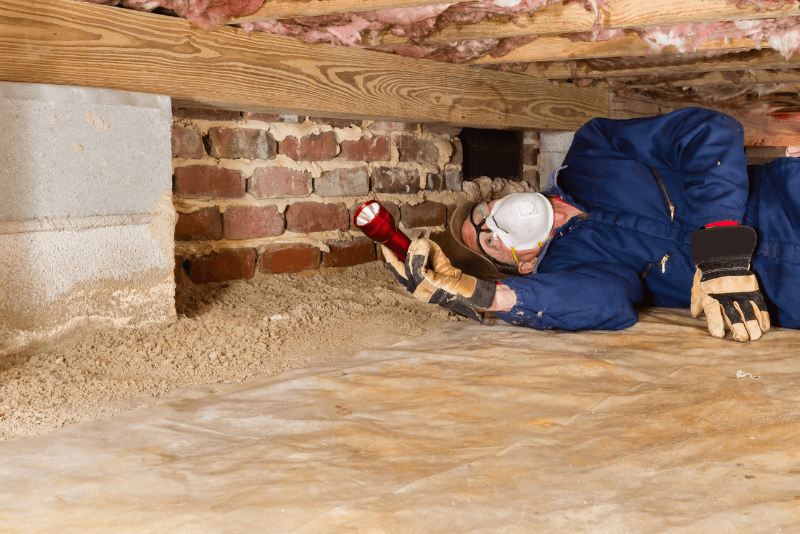
How To Remove Termites In A House In Texas
Most homeowners don’t easily cope with the knowledge that their home has a termite problem. Here in Texas, dealing with bugs is common, so there is no need to go to extremes. The first step to solving a problem is learning about the types of bugs in the area. Termites can be classified in a multitude of ways, ranging from subterranean to dry wood termites.
Bait boxes, for example, are typically used for control of subterranean termites. Tunnels, commonly made of mud, are used to connect a swarm of termites. They are constantly searching for new areas of wood to infest. The mud tubes, however, help to isolate them from the open wood. It is out in the wild. This would be an ideal place to set bait boxes. The foraging termites, however, will benefit the colony, as they will spread the poison back to it.
To eradicate dry-wood termites, heavily infested wood must be removed. This is glazed with sawdust-like feces. The infested wood will need to be removed, and the wood directly attacked will need to be treated with a special termiticide, including dry wood.
Thorough ventilation and moisture control in crawl spaces help reduce the risk of termites in your house. If there is already significant damage to the home’s structure, it may mean the structure is still capable of housing a termite colony, and you may need a professional to perform an overhaul and fumigate the house to exterminate the colony.
By law, buyers of homes in Texas must be informed if a home has had termite issues. While informing potential buyers of a history of termite infestations is a legal obligation, transparency in your dealings with them helps build trust. Transparency in transactions helps buyers to feel confident that there will be no present or future issues with pest control. Always have termite inspection, treatment, and repair documents readily available to buyers, as this will promote confidence in your home and protect its value.
How To Fix Termite Damage In A House In Texas
Homeowners and potential buyers may find termite-related problems in Texas homes to be very complex. Take action as soon as you find mud tubes on the foundation or hollowed-out wood. Start finding licensed termite inspectors to help you assess and determine the level of damage. Different treatments exist to control and contain damage, depending on whether the pest is a drywood or subterranean termite.
You will begin planning treatments for the affected area after assessment and a plan of action. Control and treatments vary by pest type and may include bait stations, soil treatments, or wood treatments. Once the pest control company has completed its part, the damage can be evaluated and repaired.
A contracted professional must evaluate the structural damage caused by the pest control company at the end of this to determine the home’s overall health after these changes. If wood is replaced, more structural alterations may be required, and remodeling may be necessary depending on the damage. Once again, building codes do influence the overall cost and time required to make structural changes to the home.
As a seller, it is a good idea to keep any documentation on extermination and repairs. Detailed descriptions of warranty work and exterminations can help in negotiations with cash buyers or real estate investors. Being transparent about your home’s history can protect you from future litigation, and, while it may seem counterintuitive, the history of termites may not negatively affect the home’s value.
Additionally, steps like preventive pest control and annual pest inspections can be helpful selling points and will demonstrate your commitment to maintaining the home. It will be easier to sell your home with a termite history if potential buyers can see that it has been controlled.
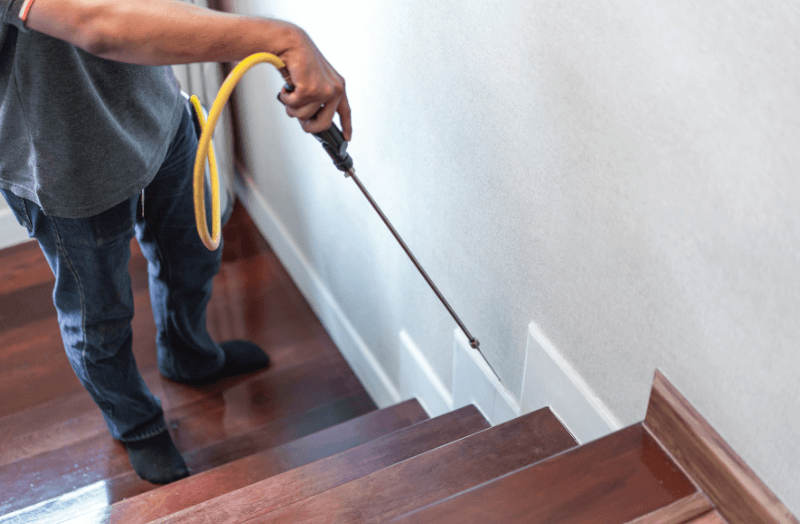
Can You Sell A House With Termite Damage?
Absolutely, you can sell a house with termite damage; however, it’s essential to understand the implications that come with it. Transparency is critical when entering the real estate market. As a homeowner, you’re required by Texas disclosure laws to inform prospective buyers of any termite activity and existing damage. This disclosure can impact the way home buyers perceive your property but don’t rule out the possibility of a sale.
Before listing my house, it’s advisable to conduct a termite inspection and obtain an official report that details the extent of the damage. Potential buyers, especially those relying on mortgages, will need a clean bill of health for your property, or they may ask for a discount to cover repair costs. For those seeking to close the deal without the hassle, a cash buyer, like those from “we buy houses” companies, can be a great fit. These real estate investors often purchase properties “as is,” meaning they take on the termite issues along with the home, providing a quick and straightforward solution to selling your house fast, albeit often at a lower price point than the open market value.
In conclusion, while a termite infestation can pose challenges, it doesn’t have to be a roadblock in the selling process. With the right approach and full disclosure, securing a sale and safeguarding your home value is entirely possible.
How To Sell A House With Termite Damage In TX
When confronted with the question “How do I sell my house in Fort Worth with termite damage?” The answer often involves a multi-pronged strategy designed to assure potential buyers while safeguarding your interests. Here’s a step-by-step guide for Texans facing this very predicament:
- Full Disclosure: In line with Texas disclosure laws, be sure to inform all potential purchasers about the termite issue. Honesty is not just legally required, it also builds trust and can prevent future legal challenges.
- Professional Inspection: Hire a licensed inspector to assess the significant damage and provide you with an official report. This document will be invaluable in discussions with buyers and may influence their decisions.
- Repair Recommendations: Consult with pest control and construction professionals to understand the extent of the damage and what repairs would be necessary. Even if you don’t intend to fix the problem before selling, knowing what’s required can help in negotiations.
- Price Adjustment: Reflect the cost of any necessary treatments and repairs in your asking price, if you choose not to take corrective action before selling. This can make the property more attractive to buyers who are willing to put in the work themselves, particularly cash buyers looking for a good deal.
- Contact Specialty Buyers: Reach out to companies that specialize in distressed properties, such as ‘House Buying Girls‘. They are accustomed to purchasing homes with issues like termite damage and often make a cash offer that can lead to a quick sale.
- Marketing Strategy: Utilize a marketing approach that focuses on the potential of the property instead of its current condition. Showcase the strengths of the home and its location, and use language that suggests opportunity, like ‘renovator’s dream’ or ‘fixer-upper with great potential’.
- Legal Considerations: Work with a real estate attorney to ensure that all the paperwork reflects the sale conditions accurately, protecting you from any future liabilities associated with the termite damage once the home has been sold.
Remember that selling a house with termite damage isn’t uncommon in real estate transactions, and with a well-thought-out approach, you still have a viable path to sell your house and move on to your next venture.
Conclusion
In conclusion, selling a home with termite damage whether in Texas or California might seem daunting, but it’s a situation that many sellers successfully navigate. With a candid approach to disclosure, savvy treatment strategies, and an openness to flexible selling options such as accepting a cash offer, you can effectively manage the sale of your property.
Companies that proclaim ‘We buy houses in Arlington‘ provide a painless and swift alternative, especially if the damage is significant. They are typically prepared to make a fair cash offer and close the deal quickly, helping you avoid the hassle of traditional market preparation and showings. This path can be particularly enticing if you’re looking to sell without further investment in the home.
No matter your chosen route, remember that with careful planning and the right resources, you can reclaim control, mitigate your losses due to termite damage, and transition to your next home with confidence and peace of mind.
Helpful Texas Blog Articles
- Repair a Settling Foundation in Your Texas Home
- Selling Your Texas Home to a Bank
- Selling Your Parents’ House In Texas
- Selling Your Home Amidst A Lawsuit
- Sell A Portion Of Your House In Texas
- Selling A Mold-Affected House In Texas
- For Sale By Owner vs. Realtor In Texas
- Opting Out Of An HOA In Texas
- Termite Tenting Costs For Homes In Texas
- Listing Your Property on MLS in Texas
- Guide to For Sale By Owner Benefits in Texas
- Who Pays Real Estate Agents in Texas
- Can I Legally Sell My House to My Spouse
- Can an Administrator of an Estate Sell Property in Texas