![How To Stop Foreclosure [market_city]](https://image-cdn.carrot.com/eyJidWNrZXQiOiJwcm9kdWN0aW9uLmNhcnJvdC11cGxvYWRzLm9uY2Fycm90LmNvbSIsImtleSI6InVwbG9hZHMvc2l0ZXMvNzA1NjcvMjAyNi8wNi9Ib3ctVG8tU3RvcC1Gb3JlY2xvc3VyZS5wbmciLCJlZGl0cyI6eyJyZXNpemUiOnsid2lkdGgiOjExNTJ9LCJ0b0Zvcm1hdCI6IndlYnAiLCJ3ZWJwIjp7InF1YWxpdHkiOjcwfX19)


Tuesday morning was the auction date. Last winter, the Henderson family in Round Rock called me three months behind with nowhere left to turn. They had tried ignoring the letters, hoping something would change. Nothing did. Families I meet generally think foreclosure means one thing: you’re out of luck. Real options do exist, and knowing how to stop foreclosure in Texas comes down to moving fast and knowing where to look.
What Is Foreclosure and When Can Lenders Start the Process in Texas?
Lenders in Texas can foreclose quickly compared to other states, averaging just 147 to 181 days from start to finish. Your mortgage lender can technically begin foreclosure proceedings as soon as you miss one payment, though most will wait until you’re 90 days behind before taking formal action.
Texas operates a non-judicial foreclosure system, meaning lenders don’t need to go to court to take your home. They simply follow a specific timeline spelled out in the Texas Property Code. First comes the notice of default. Then a notice of sale gets posted at the courthouse and mailed to you. After that, you’ve got just 21 days before the foreclosure sale happens on the courthouse steps.
FHA and other government-backed loan programs offer some additional protections, but even those don’t buy you much time in Texas. In 2025, Texas recorded 37,215 foreclosure starts, more than any other state in the country. That is no coincidence. The speed and simplicity of the non-judicial process make Texas lender-friendly by design.
Don’t assume you’ll get months to figure things out, especially if you’re already selling a house that needs repairs. In Texas, you won’t. The clock starts ticking the moment you miss a payment, and every week you delay narrows your options significantly.
Texas Foreclosure Process Timeline and Homeowner Rights
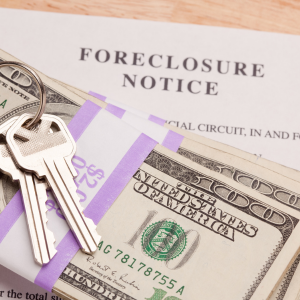
Most people think they have six months to a year once foreclosure starts. In Texas it can run as little as five months, and half that time is often gone before they even realize what’s happening.
Here’s how the timeline actually works. Your mortgage lender must send you a notice of default first, giving you 20 days to cure the default by bringing your payments current. If you can’t pay everything you owe, including late fees, they’ll file a notice of sale with the county clerk. That notice gets posted at the courthouse, published in a local newspaper, and sent to you by certified mail.
Sales occur on the first Tuesday of any month between 10 AM and 4 PM at the county courthouse. There’s no lengthy court process, no judge to appeal to, no hearing where you can make your case. The auction moves fast, and the outcome is binding.
The right of redemption is one protection people expect to find in Texas, and it barely exists here. After a mortgage foreclosure there is no redemption period at all, so no homeowner gets a window to buy the property back. Redemption applies only to property tax sales, where the former owner has 180 days, or up to two years on a homestead, and to HOA assessment foreclosures, where the window is 90 days. Once that gavel falls on a mortgage foreclosure, the sale is final.
Military servicemembers may qualify for additional protections under federal law, which we’ll explain in more detail below. For most civilian homeowners, however, once the foreclosure sale is completed, the process is generally final. The pace in Texas can be surprisingly fast. Across 2025 the state recorded one foreclosure filing for every 319 housing units, which shows how quickly homeowners lose control of the situation. If you’re facing foreclosure, exploring options to sell your house fast in Allen before the sale date may help you avoid the foreclosure process altogether.
Loss Mitigation Options Available to Texas Homeowners
Loss mitigation isn’t a single solution. It’s a category of programs designed to help homeowners avoid foreclosure by modifying the terms of repayment or temporarily relieving financial pressure. Many homeowners don’t realize these options exist until it’s too late to use them effectively.
Loan modification permanently changes your original mortgage terms. Lenders can lower your interest rate, extend the length of your loan, or roll missed payments into the back end of the mortgage. The goal is to create a monthly payment you can actually afford going forward. The downside is that the approval process can take 30–90 days, and lenders aren’t required to approve every request.
Forbearance agreements temporarily pause or reduce your payments, usually for 3–12 months, while you deal with a short-term financial hardship like job loss or a medical emergency. Once the forbearance period ends, you’ll need to repay the missed amounts, either in a lump sum, through a repayment plan, or by having them added to the end of your loan.
Chapter 13 bankruptcy stops foreclosure immediately through an automatic stay the moment you file. This freezes all collection activity, including scheduled foreclosure sales, while you work out a structured repayment plan with your creditors. Your mortgage arrears get rolled into a 3–5 year repayment plan alongside your regular monthly payments. Many homeowners have successfully used this path to catch up and keep their homes, though it requires discipline and consistent payments throughout the plan period.
Refinancing might be viable if you still have decent credit and meaningful equity in your home. With Texas median home prices holding near $340,000, many homeowners do have equity. The challenge is that refinancing typically takes 30–45 days and requires you to start the process before you’ve fallen behind on payments.
Loss mitigation works best when you’re 30–60 days behind, not when the foreclosure sale is scheduled for next week. The critical mistake most homeowners make is waiting too long, hoping the problem resolves itself. It rarely does. Start the conversation with your lender the moment you miss that first payment, even if you’re embarrassed or not sure what to say.
Refinancing and Selling Your Home to Avoid Foreclosure in Texas
Refinancing sounds appealing in theory, but it becomes increasingly difficult the further behind you fall. Traditional lenders want to see a credit score of at least 620, consistent payment history, and sufficient equity. Once you’re in default, most won’t touch your application. The window for refinancing as a foreclosure prevention tool is narrow, ideally before you’ve missed a single payment.
Cash-out refinancing is a potential option if you have significant equity and can use the proceeds to catch up on what you owe. But timing is everything. The moment your credit score starts dropping due to missed payments, your refinancing options shrink rapidly.
For most homeowners already facing foreclosure, selling is the more realistic and often smarter path, particularly in Texas, where home values have remained relatively stable. The statewide median home price held at $340,000 in the second quarter of 2026, giving a large portion of homeowners enough equity to sell, pay off the mortgage, and walk away with something left over.
You have three main selling options. Listing with a real estate agent is the traditional route, but it averages 60 or more days from listing to closing, time you may not have once foreclosure proceedings are underway. Selling by owner (FSBO) eliminates agent commissions but still requires finding a buyer, negotiating, and navigating the closing process, which takes comparable time.
Selling directly to a cash buyer is typically the fastest option. Cash buyers can often close in 2–3 weeks, giving you enough time to pay off the mortgage balance, cover closing costs, and avoid the foreclosure entirely. Sellers looking at cash home buyers in Dallas and the surrounding suburbs use that window to beat the auction date. The trade-off is that cash buyers generally offer below market value. When the alternative is losing your home and your equity at auction, the math often still favors the sale.
Consider a straightforward example: if you owe $250,000 on a home worth $340,000, even a discounted cash offer of $300,000 leaves you with $50,000 after paying off the loan, versus walking away with nothing after foreclosure. Running those numbers before dismissing a cash offer is worth the five minutes it takes.
Can Bankruptcy Stop Foreclosure Proceedings in Texas?

Bankruptcy is not a magic fix, but it is one of the most powerful tools available to stop a foreclosure sale on short notice.
Chapter 13 bankruptcy typically costs $1,500–$3,000 in attorney fees and filing costs. The moment you file, federal law imposes an automatic stay that immediately halts all collection activity, including a scheduled foreclosure sale. You can file the day before the auction and legally stop it. However, you must propose a repayment plan within 14 days, and the bankruptcy court must approve it.
The plan itself requires you to catch up on all missed mortgage payments over 3–5 years while continuing to make regular monthly payments. It’s a strict structure, but it keeps you in your home if you follow it. Miss payments under the plan, and the lender can petition the court to lift the automatic stay and proceed with foreclosure.
Chapter 7 bankruptcy also triggers the automatic stay, providing temporary relief. It can eliminate unsecured debts such as credit cards, medical bills, and personal loans, potentially freeing up enough monthly income to afford your mortgage going forward. But Chapter 7 does not allow you to catch up on missed mortgage payments through a repayment plan, so it’s a short-term pause rather than a long-term solution for homeowners.
Both forms of bankruptcy carry serious long-term consequences. Chapter 7 remains on your credit report for 10 years; Chapter 13 for 7 years. During that time, securing new credit, renting an apartment, or even getting certain jobs can become more difficult. Bankruptcy should be treated as a serious last resort, not a first call when payments get tight.
If you’re struggling with debt and need to sell your property quickly to avoid foreclosure or regain financial stability, working with a reputable company that buys houses in Texas may provide a faster, less damaging path forward before considering bankruptcy.
Legal Protections for Military Servicemembers Facing Foreclosure in Texas
Active duty military members have meaningful federal protections under the Servicemembers Civil Relief Act (SCRA) that go beyond what civilian homeowners receive.
Under the SCRA, active duty members can request a stay of foreclosure proceedings for the entire duration of military service plus a brief period afterward. This applies specifically to mortgages taken out before entering active duty. The request must be made in writing, accompanied by proof of military service.
The SCRA also caps interest rates on pre-service debt at 6% during active duty. If your mortgage rate was higher when you deployed, your lender must reduce it and apply the savings retroactively for the period of active service. Additionally, servicemembers can terminate housing leases without penalty when receiving permanent change of station orders.
Texas state law reinforces these protections, prohibiting foreclosure on a primary residence for missed payments that result directly from deployment or PCS moves, provided the servicemember notifies the lender of their military status in writing.
These protections expire when active service ends. The mistake many servicemembers make is assuming the protections will carry them through without taking any proactive steps. They won’t. Use the protection window to explore permanent solutions such as loan modifications, refinancing, or selling, so you’re not facing an immediate foreclosure the moment you return to civilian status.
National Guard and Reserve members activated for 30 or more consecutive days receive the same SCRA protections as active duty servicemembers.
Foreclosure Scams Targeting Texas Homeowners and How to Avoid Them

The more desperate the situation, the more attractive scammers become. Texas homeowners facing foreclosure are frequently targeted by fraudulent companies offering solutions that either don’t work or actively make things worse.
The most common scam involves upfront fees. A company promises to negotiate with your lender, file paperwork, or guarantee foreclosure prevention, all for a fee paid before any services are rendered. They collect the money, do little or nothing, and are unreachable when the foreclosure proceeds. Legitimate HUD-approved housing counselors do not charge large upfront fees.
Equity theft through deed transfer is another widespread fraud. A scammer offers to “temporarily” take ownership of your home, pay off the mortgage, and rent it back to you while you save up to repurchase it. In reality, they gain full legal ownership, extract your equity, and you lose both your home and your savings. No legitimate foreclosure solution requires you to sign over your deed to a third party.
Be skeptical of any company claiming to “legally eliminate” your mortgage debt or “guarantee” a foreclosure stop. These claims are false. The only paths to stopping foreclosure involve paying what’s owed, modifying the loan terms directly with your lender, filing bankruptcy, or selling the property.
Always verify who you’re working with. Real estate attorneys practicing in Texas must be licensed by the State Bar of Texas. HUD-approved housing counselors are listed publicly on the HUD website. When uncertain, cross-reference any company or individual with the Texas Department of Banking or the Better Business Bureau before paying anything or signing any documents. If you need to sell your home quickly, House Buying Girls buys houses for cash and can provide a fast, straightforward solution. Call us today to learn more.
Frequently Asked Questions
What is the fastest way to stop a foreclosure?
Filing for Chapter 13 bankruptcy creates an automatic stay the moment the petition reaches the court, so you can file the day before a scheduled sale and legally halt it. That said, it only buys time. A long-term repayment plan must be filed within 14 days for the protection to hold.
Can a foreclosure be reversed in Texas?
For most homeowners, no. Texas provides no redemption rights after a mortgage foreclosure. Once your home sells at auction, the sale is final. Redemption exists only after a property tax sale or an HOA assessment foreclosure, not after a bank forecloses. Acting before the sale date is absolutely critical.
How long can you stay in your house after foreclosure in Texas?
You can remain until the new owner files an eviction lawsuit, which typically happens within 30–60 days after the sale. Texas law provides no automatic right to remain after foreclosure, and most new owners pursue eviction promptly.
How long can a house sit in foreclosure?
Nationally, properties that completed foreclosure in the second quarter of 2026 had been in the process for an average of 563 days. Texas moves much faster at roughly 181 days. Some properties get rescheduled for multiple sales before actually closing due to title issues or last-minute lender negotiations, so don’t count on delays to solve the problem for you.
Helpful Texas Blog Articles
- Repair a Settling Foundation in Your Texas Home
- Selling A Mold-Affected House In Texas
- Can You Sell a House with Asbestos in Texas?
- Can You Sue a Previous Homeowner in Texas?
- Paperwork for Selling a House By Owner in Texas
- How To Sell A Portion Of Your House In Texas
- Exploring the Option of Selling Your Texas Home to a Bank
- How To Sell A House When You Are Behind On Payments In Texas
- Do All Heirs Have to Agree to Sell Inherited Property in Texas
- Can You Sell Your House with a Judgement Against You in Texas?
- Can You Pause Mortgage Payments While Selling in Texas
- How Divorce Laws Determine Who Gets the Family Home in a Texas Divorce
- Squatter’s Rights in Texas
- How To Sell A House with Title Issues in Texas