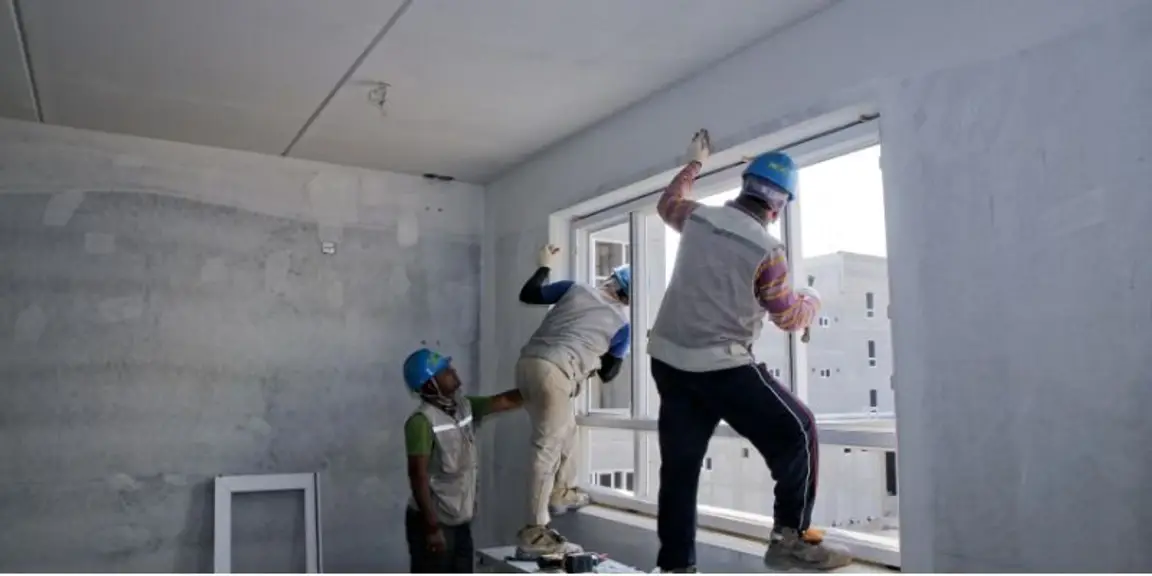


Most sellers I talk to have already spent three weeks lying awake doing math in their heads. The roof needs shingles. The HVAC hasn’t been serviced in a decade. The kitchen looks like it was last remodeled when gas was under a dollar a gallon. They’re not sure whether to fix everything, fix some things, or just price it low and get out. Every option feels like a trap.
It doesn’t have to be that way. Selling a house that needs repairs is actually manageable once you understand what the market actually rewards, what it ignores, and where sellers most often bleed money they didn’t have to lose.
The Hardest Part Isn’t the Repairs
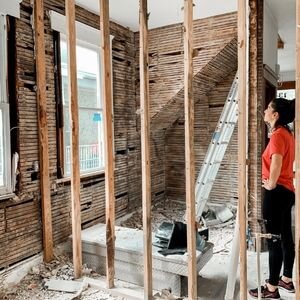
Maria and Carlos Hernandez got a job transfer out of state this past fall and had five weeks to be out of their home. A cracked driveway, an older garage door, a bathroom with grout untouched for years, and a water heater past its useful life all plagued the house. They approached me on a Wednesday, stressed and convinced they’d have to give the place away. We closed in less than three weeks; they walked away with fair money, and they made it to their new home on time. The property had real value; they just needed someone to see it clearly (which I’ve found is usually the whole job).
That situation isn’t rare. I buy houses across conditions and circumstances, and the sellers who do best aren’t the ones who spent the most on repairs. They’re the ones who made smart, targeted decisions early, moved quickly, and stayed calm through the process.
Repair decisions made in panic almost always cost more than they return. A seller who rushes to replace a perfectly functional HVAC because they think buyers will demand it is spending money they may never recover. One who focuses on what actually drives buyer decisions, curb appeal, functioning systems, and clean presentation (I’ve seen a fresh coat of paint do more work than a new water heater) usually comes out ahead.
Before you call a contractor or list anything, pull comparable sales in your neighborhood. Walk the property with fresh eyes, the way a stranger would see it from the door (first impressions set the price ceiling). Then make decisions based on data, not dread.
What Is Your Fixer-Upper Actually Worth on Today’s Market
One of the most common things I hear is, “My neighbor sold six months ago, so my home should be worth the same, right?” This thinking misses a big piece of the picture.
Recent Zillow research found that homes listed as fixer-uppers sell for about 7.3% less than comparable properties, while a home described as needing work or TLC can carry a discount closer to 8%. On a $350,000 home, that gap is real money (we’re talking over $25,000). Your neighbor’s sale price only tells you the ceiling; your condition tells you where you actually land.
As of mid-2025, the typical listing price for all single-family homes nationally sits around $436,250, while the median listing price for homes marketed as fixer-uppers is $200,000. The spread is driven by condition, location, and how the property is positioned (sellers underestimate that last one), not just square footage.
The market value of a property that needs repairs is calculated in a specific way. Buyers start with what the home would sell for fully repaired, subtract estimated repair costs, then subtract their profit margin and carrying costs. What’s left is roughly what they’ll offer. Knowing this formula in advance puts you in a much stronger negotiating position; their offer stops feeling like an insult and starts making sense logically.
A local real estate agent with genuine experience in distressed or dated properties can run a comparative market analysis that accounts for condition. Please obtain that analysis before making any other decisions.
How Much Will Repairs Actually Cost You Before You Sell
Sellers routinely underestimate repair costs by 30 to 50 percent. A roof that looks rough from the driveway might need a full replacement at $12,000 to $18,000. Plumbing issues that seem minor can open up into something much larger once a licensed plumber gets underneath the house. Water damage, especially anything that comes into contact with mold, rarely stops at the visible stain. Foundation cracks that seem cosmetic can involve drainage and grading work that runs deep into five figures (and that’s before any permits).
Before you agree to repair anything, get at least two contractor offers, written quotes only, not phone estimates. A pre-listing home inspection, typically $300 to $500, surfaces surprises before a buyer’s inspector finds them mid-transaction and uses them as leverage. Losing $20,000 off your price because a problem surfaced during the buyer’s due diligence phase is the last thing you want, and I’ve seen that exact scenario play out more than once.
Carrying costs get left out of every seller’s mental budget. Every month you spend remodeling, you’re still paying the mortgage, insurance, property taxes, and utilities, easily $1,500 to $3,000 per month on a modest property. A remodel that takes four months and costs that much in materials and labor actually costs $30,000 to $37,000 when carrying costs are factored in. Be sure to run that number before committing to any major renovation.
Which Repairs Give You the Best Return Before Listing
According to the 2025 Cost vs. Value Report, replacing a garage door costs around $4,672 on average and returns a resale value of roughly $12,507, a 268% ROI, the highest of any project tracked. That’s a door. It takes a day to install, and buyers notice it immediately because it’s the first thing they see from the street.
Exterior improvements broadly outperform interior ones for resale ROI. Fresh exterior paint, clean landscaping, a freshly sealed driveway, and a refinished front door all fall into the low-cost, high-visual-impact category. Painting the front door, particularly in black (curb appeal starts at the street), can make buyers willing to pay $6,000 or more, according to Zillow buyer preference data.
Inside the house, the kitchen and bathroom get the most buyer attention, but a full remodel of either rarely pays back fully. If you’re wondering whether to remodel my kitchen before selling, focus on updates that improve the kitchen’s appearance and function without overspending. Re-caulk the tub, replace corroded fixtures, re-grout deteriorated tiles, and replace cracked or stained flooring in high-traffic areas. Fresh neutral paint throughout is one of the few interior updates with documented returns above 100 percent, according to NAR data. Buyers don’t need turnkey perfection; they need to feel like the house was cared for (and paint does that faster than almost anything else).
Safety and function repairs, like fixing electrical grounding problems, active plumbing leaks, or foundation cracks, can return 120 to 150 percent on investment because they let more buyers qualify for FHA or VA loans. Sellers who skip these fixes are quietly cutting out a huge chunk of the market before a single offer comes in.
Can You Afford to Fix It Up, or Should You Sell As-Is?

That question comes up constantly, and the answer usually comes down to budget and timeline, not gut feeling. A seller who wants to address a handful of deferred maintenance items, refresh the cosmetics, and list on the open market without obvious red flags (think paint, fixtures, and landscaping) is usually looking at a modest, manageable budget rather than a full renovation.
If you don’t have that money liquid or if the repairs run much deeper, selling as-is is a completely rational choice. For homeowners who decide repairs aren’t worth the investment, we buy Texas homes in as-is condition, making it possible to sell without taking on expensive renovations or lengthy listing periods. It’s not surrendering. Cash investors, house flippers, and buyers looking to customize a property from scratch are all actively seeking as-is listings.
The math question is whether net proceeds from a repaired listing are actually higher than net proceeds from a clean, fairly priced as-is sale after you account for repair costs, carrying time, agent commissions, and the risk of the sale falling through. Agent commissions alone typically run 5 to 6 percent of the sale price, before closing costs and buyer concessions, which means that number eats into your repair budget faster than most sellers expect.
Do you have more time than money, or more money than time? Sellers with equity, cash reserves, and no deadline often benefit from targeted repairs and a traditional listing. Sellers with tight timelines, thin cash reserves, or deep structural issues usually do better selling directly, because the carrying costs alone can eat into whatever a traditional sale might have gained them.
How to Price a Home That Needs Repairs Without Losing Money
A seller pricing a property with deferred maintenance must start at the after-repair value (ARV) and work backward honestly. Buyers and investors will do this math anyway. If your home sells for $320,000 fully repaired and needs roughly $45,000 in work, buyers factor in their margin and time and arrive at a price between $230,000 and $255,000. Going to market at $305,000 and waiting for someone to overlook the condition rarely works. It just burns days on market and shows desperation when you eventually drop the price (and you will).
Most sellers underestimate how many days on market matter. Fixer-uppers already sit at about 53 days on average, compared to about 50.5 days for move-in-ready homes. That gap doesn’t sound big until you realize every extra week is another mortgage payment, another insurance bill, and another opportunity for a buyer to walk because they found a cleaner property.
Price it honestly based on the math. Get a comparative market analysis from a local Realtor® with distressed-property experience, or get a cash offer from a buyer who does this type of work every day. Both give you a data point. Use them together to find the real number.
What Disclosure Rules Apply When You Sell a Damaged Home
A seller who shrugs off a slow roof leak because it “hasn’t caused real damage yet” can end up writing checks to a buyer’s attorney instead of cashing closing proceeds. That belief has cost people significant legal fees.
Every state has its own disclosure laws, but the general principle is that a seller must disclose any known material defect that would affect a reasonable buyer’s decision to purchase or the price they’d pay. Water damage qualifies. Mold qualifies. A roof that’s been leaking seasonally qualifies even if it’s currently dry. A cracked foundation qualifies. A plumbing system that backs up when it rains qualifies.
The word “known” matters. You’re not legally required to disclose what you don’t know, which is precisely why getting a pre-listing inspection actually protects you. Once an inspector hands you a written report, you know everything in it. Some sellers avoid inspections to stay in a gray area; that strategy tends to go sideways when a buyer’s inspector finds the same items and the transaction collapses.
For properties with lead-based paint or hazardous materials, federal guidelines apply in addition to state rules and are not optional. Consult a real estate attorney in your state if you’re unsure what applies (I’ve done this step before closing). It’s one of the more worthwhile $200 to $400 investments you’ll make in this process.
Should You Sell to an Investor or List on the Open Market
A skilled agent who knows how to market fixer-uppers can give you access to retail buyers, including owner-occupants who are willing to take on a project when you list on the open market. That pool is broader and can produce a higher sale price. The tradeoff is time, uncertainty, and the cost of keeping the property during the listing period. A sale that falls through at inspection and has to be relisted costs you weeks, often resulting in a lower final price than the original offer (carrying costs keep adding up the whole time).
Selling directly to a cash buyer or investor is faster and more predictable. You skip the home inspection contingency, the financing contingency, and most repair negotiations. The offer is lower on paper, but after subtracting commissions, carrying costs, and the real possibility of a failed sale, the net proceeds are often closer than sellers expect.
The answer usually isn’t that one is always better. It’s about your specific timeline, how much equity you have, the condition of the property, and your tolerance for uncertainty. House Buying Girls buys houses directly from homeowners, with no repairs required, no agent fees, and no listings that sit and go stale, whether the repair needs are extensive or the timeline is tight. For sellers who need speed and certainty, that combination is worth a serious look.
How a Realtor Can Help You Get More Money for a Fixer-upper
A foundation crack alone can shave $30,000 off a buyer’s opening offer. A Realtor® who has never sold a property with foundation issues, an aging roof, or visible water damage is not the right agent for this listing.
Skilled agents who specialize in as-is or distressed real estate know how to write a listing description that attracts investors and renovation buyers. They know which photos to lead with, how to price just ahead of where cash buyers will anchor, and how to structure offers so that inspection contingencies don’t give every buyer an exit ramp. They also have contractor networks that can get you accurate repair estimates quickly, so you’re not waiting two weeks to find out where you actually stand.
A competent Realtor® will also tell you, plainly, when it’s not worth listing traditionally. Some properties, under certain conditions, are genuinely better sold as-is directly to an investor, and an agent who pushes you toward a traditional listing solely for the commission is not acting in your best interest.
Ask before hiring: how many properties in below-average condition have you sold in the past twelve months? What were their average days on market? What’s your strategy for marketing a home that buyers will need to remodel or showing your house while living in it? If those questions get vague answers, keep looking for a better agent.
How to Market a Home That Needs Work to the Right Buyers

If you list a fixer-upper without a marketing strategy, it will sit. Buyers scroll past it, agents avoid showing it, and the longer it sits, the more stigma it accumulates. Days on market signal something is wrong, even if the only issue was the original approach.
The right buyers for a property that needs work aren’t browsing for turnkey homes. Listing descriptions should be direct about condition, then immediately pivot to opportunity: the lot size, the neighborhood trajectory, and the price gap between this property and comparable remodeled homes nearby. Investors do this math constantly; give them the numbers upfront, and you save everyone time. Homeowners looking to sell their house fast for cash in Dallas or Fort Worth often choose to work directly with experienced buyers who understand distressed properties and can close without needing repairs.
Elena Salinas had watched two consecutive agent listings on her Arlington, Texas, property expire without a single offer. The house had an older kitchen, a detached garage, and a bathroom that needed a full gut. Both prior listings had soft-pedaled the condition and priced it as if it were a move-in-ready home. When we repositioned it, priced it honestly to reflect its condition, and targeted buyers specifically looking for renovation projects, it moved. The market wasn’t the problem. The marketing strategy was effective, and I have seen this pattern more than once.
Photography still matters, even on a dated house. Bright, clear photos of a well-lit interior are better than dark shots that make every corner look worse than it is. Drone shots showing lot size or a well-kept street can shift a buyer’s first impression before they ever walk through the door. Zillow’s research consistently shows that curb appeal and presentation drive both saves and shares on listings, which directly affects how many buyers see your property. If reaching the right audience still feels like a puzzle, House Buying Girls specifically seeks out homes needing work; your property isn’t a problem for them; it’s exactly what they’re looking for.
Frequently Asked Questions
Is It Hard to Sell a Home That Needs Repairs?
It’s more complicated than selling a move-in-ready home, but it’s absolutely doable with the right approach. The biggest hurdles are pricing accurately, targeting the right buyers, managing your timeline, and carrying costs. Sellers who try to hide conditions or overprice for the neighborhood tend to struggle; sellers who are transparent and strategic tend to close faster.
What Is the Hardest Month to Sell a Home?
January is historically the slowest month in most U.S. real estate markets, with buyer activity and listing engagement both at annual lows. Homes that need repairs face an even steeper climb in winter, since curb appeal suffers and buyers are generally less active. If you have flexibility, late winter through spring tends to bring more traffic from buyers who have the appetite for a renovation project.
What is the 30% rule for home renovation?
The 30% rule is a rough guideline suggesting that total renovation costs shouldn’t exceed 30% of a home’s after-repair market value. So if a fully renovated version of your home would sell for $300,000, you ideally want to spend no more than $90,000 to get it there. Going past that threshold often means you’re investing more than the market will return, particularly in neighborhoods where comparable sales cap your ceiling regardless of how much you spend.
What Devalues a House the Most?
Structural issues like foundation problems and roof failure are the biggest value killers because they scare off buyers who can’t get a conventional mortgage and raise red flags in every home inspection. Water damage and mold run a close second, both because of health concerns and because they signal potential spread into hidden areas of the structure. Beyond those, deferred maintenance across multiple systems, plumbing, HVAC, and electrical systems quickly compounds in a buyer’s mind, even if each thing is fixable.
If you have a house that needs work and aren’t sure what to do next, reach out to House Buying Girls to discuss your property and timeline. No obligation, no pressure, just a straightforward conversation about your options and what your house may be worth in its current condition.
Helpful Texas Blog Articles
- Repair a Settling Foundation in Your Texas Home
- Selling Your Texas Home to a Bank
- Selling Your Parents’ House In Texas
- Sell A Portion Of Your House In Texas
- Selling A Mold-Affected House In Texas
- For Sale By Owner vs. Realtor In Texas
- Opting Out Of An HOA In Texas
- Termite Tenting Costs For Homes In Texas
- Listing Your Property on MLS in Texas
- Guide to For Sale By Owner Benefits in Texas
- Who Pays Real Estate Agents in Texas
- Can I Legally Sell My House to My Spouse
- Can an Administrator of an Estate Sell Property in Texas
- Selling Your Texas House Without A Real Estate Agent
- How To Avoid Closing Costs In Texas Legally