![Selling Parents House After Death [market_city]](https://image-cdn.carrot.com/eyJidWNrZXQiOiJwcm9kdWN0aW9uLmNhcnJvdC11cGxvYWRzLm9uY2Fycm90LmNvbSIsImtleSI6InVwbG9hZHMvc2l0ZXMvNzA1NjcvMjAyNi8wNC9TZWxsaW5nLVBhcmVudHMtSG91c2UtQWZ0ZXItRGVhdGgucG5nIiwiZWRpdHMiOnsicmVzaXplIjp7IndpZHRoIjoxMTUyfSwidG9Gb3JtYXQiOiJ3ZWJwIiwid2VicCI6eyJxdWFsaXR5Ijo3MH19fQ==)

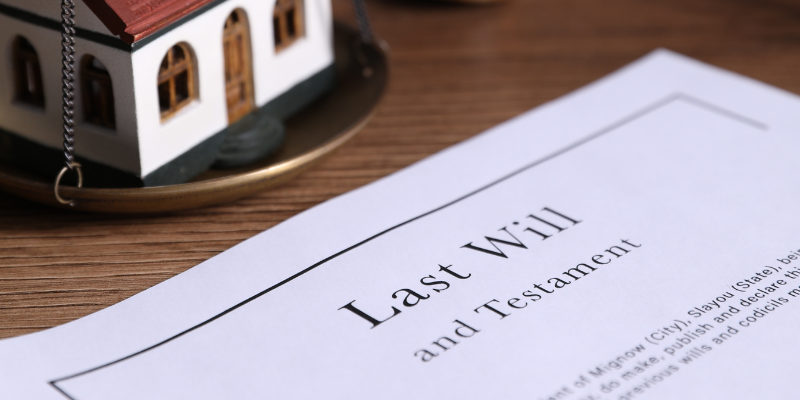
Losing a parent is one of the hardest things that can happen to anyone. Taking care of their estate may make things even tougher than they already are. Families have to make a lot of decisions, but choosing what to do with a parent’s house is usually one of the hardest. A house is more than just a place to live; it also stores memories, feelings, and sometimes family problems that need to be worked out. If you inherited a home in Texas, selling it is more than just putting it up for sale. There are legal steps to follow, deadlines to meet, taxes to understand, and things to accomplish before a deal may go through.
A lot of people think they can sell the property immediately, but they find out that they have to deal with estate liabilities, ownership requirements, and probate rules first. People who have never had to deal with estate issues before could find the process hard to understand. However, if you are familiar with Texas laws and the steps needed, you may complete the procedure quickly and prevent costly errors. This guide covers everything you need to know, from probate and title transfer to taxes, repairs, and selling alternatives, so you can make wise choices when things are rough.
Texas Laws About Dividing Up Property
Texas has a community property system, which makes a major difference in how things are split up after someone dies. This method suggests that most of the property that a married couple buys is owned by both of them. If one spouse dies, their share of the property is divided according to their will. Texas intestacy rules outline how the property should be split up if there is no will. If your parent left a legally valid will, things are usually easier because the will outlines who gets the property and what to do with it. Even if you have a will, you usually have to go through probate to make it legitimate and let the property change hands.
Without a will, things get more complicated. When someone dies without a will in Texas, the intestacy regulations say who gets the property. Usually, husbands and children who are still alive are given the most attention. In families with stepchildren or step-grandchildren, this could cause unexpected splits in ownership that heirs may need to deal with. A lot of people don’t know that they have four years to file a will for probate. If you miss this date, the estate can be treated as if there is no will, even if there is one. This can make things a lot harder and necessitate going through extra legal steps to prove ownership.
In some circumstances, probate may not be necessary at all. For instance, if two persons owned the property as joint tenants with rights of survivorship, the surviving owner obtains the property straight away after the other person dies. If the property is under a revocable living trust, the named beneficiary can also get it without going to court. These preparations are supposed to make the transfer process smoother, but they need to be set up ahead of time. The first thing you should do is see if any of these restrictions apply to your situation.
How to Deal with Inherited Property in Texas After a Parent Passes Away
The legal procedure of probate makes sure that a dead person’s will is real, pays off their obligations, and transfers their property to their heirs. In Texas, probate is rather prevalent, and it’s often necessary before a house can be sold after someone dies. It normally takes six to twelve months, but if the estate is difficult or the beneficiaries don’t agree, it can take longer.
There are numerous types of probate administration in Texas, and each has its own benefits and drawbacks. Independent administration is the most common kind. The executor can make most decisions about the estate without having to ask the court for authorization each time. This makes the procedure go faster and costs less. On the other hand, dependent administration needs court approval for a number of things, which can make things take longer and cost more. This alternative is commonly used when heirs can’t agree or are worried about how the estate is being run.
“Muniment of title” is another option. It makes probate easier when there are no debts other than those guaranteed by real estate. This approach is often used when the principal asset is a home because it can be done much faster than traditional probate. If you know what form of probate applies to your case, it could help you figure out when you can sell your property and how long it will take.
How to Deal with Real Estate in Texas Probate Court
Most of the time, the steps for probate are the same in all of Texas. However, there are some differences from county to county. The first thing to do is file the will and a request for probate in the relevant court. This is usually in the county where the person who died lived. It’s vital to choose the appropriate court because filing in the wrong place could cause delays and have you start over.
The court will need some key documents, like the original will, a certified death certificate, and a request to start probate. A hearing is established after the application is filed to decide if the will is valid and to designate an executor or administrator. The executor must take an oath and may have to post a bond, depending on the situation.
Next, the executor must compile a complete and accurate inventory of all estate assets—including the home—and submit it to the court. Any errors or omissions can lead to legal complications or delays in the probate process. The executor is also responsible for notifying creditors and settling any outstanding debts before distributing the remaining assets to the heirs. Staying organized, keeping detailed records, and meeting all deadlines is essential to ensure everything proceeds smoothly.
If the estate includes real estate, working with professionals who can help sell your house fast in Dallas can speed up the process and simplify asset distribution.
How to take care of an estate before selling property in Texas
Before selling an inherited home, there are a few things that need to be done to make sure the estate is handled properly. The most important step is to get legal permission to act on behalf of the estate. When the probate court chooses an executor or administrator, it gives them this power. Without this appointment, no one has the legal power to sell the property or make decisions on how to take care of it.
After being named executor, they have 90 days to discover and list all of the estate’s assets. This includes finding out how much the deceased’s house and other property are worth. The executor must also tell the creditors of the death so that they can file claims against the estate. The purpose of these steps is to make sure that all debts are paid off before anything is given away or sold.
These administrative requirements could take a few months to perform, but they are vital for the protection of the estate and any possible buyers. If you try to sell the property before these steps are done, you could get into trouble with the law and have to wait longer to close.

What an executor has to do to sell a house they inherited in Texas
Being an executor is a large responsibility that requires a lot of attention to detail and a vow to do what’s best for the estate and the people who will benefit from it. During the probate procedure, the executor is in charge of taking care of the property. This means taking care of the house, paying the bills, and making sure it stays in good order.
It’s very important to take care of the property in Texas because the weather can change quickly and cause damage. The executor is responsible for making sure that the utilities stay on, the insurance is in place, and the property is repaired so that it doesn’t get worse. You may have trouble selling the property if you don’t take care of it.
The executor also needs to talk to the beneficiaries often to keep them up to date on how the estate is going and what decisions need to be made. This honesty helps heirs stay out of arguments and misunderstandings. The executor also has to make sure that all legal requirements are met, such as filing the correct papers with the court on time.
There are many kinds of property rights and sale agreements in Texas for heirs.
When more than one heir gets a property, it can be hard to make decisions collectively. Each successor may have a different opinion on whether to sell the property, how much to price it, and which offers to accept. These conflicts could make the deal take longer and put a lot of stress on the family.
In Texas, all of the heirs usually have to agree to sell the land. But one heir can choose to sell their own stake on their own. If the owners can’t come to an agreement, one of them can file a partition action, which asks the court to sell the property and divide the money among the owners. This method does work, but it can take a long time, and the price may be lower because the sale is forced.
It’s also important to understand how ownership works. In joint ownership, all parties usually have equal shares and must agree on major decisions. In a tenancy in common, each owner holds a separate share, which can vary in size and often allows more flexibility—especially when selling their portion. Clear communication is essential, and sometimes mediation can help resolve disagreements and keep things moving forward. For those looking for a quicker option, there are buyers who buy houses in Texas and can help simplify the process, even in more complex ownership situations.
In Texas, here’s how to change the title of property after a parent dies
It is vitally important to transfer the title before the property can be sold. If there isn’t clear legal ownership, buyers and title companies won’t go through with the purchase. How the estate is transferred will depend on how much it is and how complicated it is.
Texas provides a simplified way for smaller estates to handle things called a small estate affidavit. You can use this if the estate meets certain conditions. This option enables heirs to change ownership without having to go through the complete process of probate. When an estate is significant, formal probate is frequently needed to show who owns the property and provide the executor with the ability to sell it.
A title company will look up the title to make sure that there are no claims or liens on the property and that the ownership is clear. If any difficulties come up during this process, it’s essential to fix them right away.
Texas: Paying Off Estate Debt Before Selling Real Estate
Before the estate may give away or sell its assets, it must pay off all of its debts. This includes property taxes, mortgages, and any other debts on the property. To pay off these debts, you may have to sell the residence.
Property taxes keep going up while the probate process is going on. You could get fined or perhaps lose your home if you don’t pay them. The executor is responsible for making sure that all taxes and payments are paid on time. Taking care of these things ahead of time will make the sale run more easily and keep difficulties from happening.
Texas Laws About Selling Property That Belongs to a Dead Parent
Texas law says that sellers must offer buyers a disclosure notice that tells them what condition the property is in. The seller must tell you about any difficulties they know of that could affect the value of the home, even if they have never lived there. This includes problems with the building, repairs that have been made in the past, and any other important problems.
Giving the right information protects both the buyer and the seller and makes it less likely that difficulties will happen after the sale. You may be confident that all the necessary disclosures are filled out correctly if you hire a real estate agent who knows these rules.
Property appraisals are needed for Texas estate sales
You need an accurate appraisal to find out how much a property is worth on the open market. You can use this number to figure out how much to charge when you list your home and for taxes. The evaluation also sets the stepped-up basis, which can cut capital gains taxes a lot if the property is sold soon after it is inherited.
The Market Value of Inherited Real Estate in Texas
It’s crucial to know what’s going on in your area because the real estate markets in Texas are extremely different from those in other states. Location, demand, and the quality of the property are all things that can affect its value. A good real estate agent can help you acquire a comparative market analysis that will help you set a fair price for your house and give you helpful information.
Things to keep in mind when looking at and repairing the property you got from family
Most of the time, you need to fix or update an inherited house before you can sell it. You can uncover faults with a property and decide whether to fix them or sell it as-is by having a pre-listing examination. Making substantial repairs can make the house worth more and get more people to buy it.
How to Get a House You Inherited in Texas Ready to Sell
To get the house ready to sell, you need to clean it up, correct any faults, and take down any personal items. This could be hard on your feelings, but having a strategy might help you get through it.
When to Sell Property You Got from Your Parents in Texas
It normally takes six to twelve months to sell a house that you got from someone else. The steps are to go through probate, get the property ready, list it, and close. Disagreements or legal issues among heirs could slow things down, but good planning can help keep things moving. If you want a deeper breakdown of costs and fees involved in listing, you can review Texas Realtor Commission Rates For Selling Your Home to understand how commissions may impact your final proceeds.
Texas Inherited Property Sales Need Paperwork
You need the necessary documents to finish the sale. This has the death certificate, the papers from the probate court, and proof that you hold the property. Things might go more smoothly and not take as long if you are ready and organized.
Texas regulations governing homestead exemptions for property that you inherit
Texas homestead regulations could help you safeguard and pay less in taxes on property that you get from someone else. You can make better decisions about when to do things and how to manage your money if you know how these exemptions work.

Tax breaks and a higher value for the property you inherit
The stepped-up base is one of the finest financial benefits of inheriting property. It puts the property’s value back to what it was worth on the market when the person died, which means that the person may not have to pay as much in capital gains taxes.
When you sell property you inherited in Texas, you have to pay capital gains tax on it.
Texas doesn’t have a state income tax, but if an inherited property is later sold for more than its value at the time of inheritance, federal capital gains tax may still apply. However, the stepped-up basis typically reduces the taxable gain, often lowering the overall tax owed.
Some heirs may also consider donating a house to charity rather than selling it on the open market. If you’re considering selling, House Buying Girls buys houses cash and can help you move quickly—reach out today.
FAQs:
Should you sell your parents’ house before they die or after they die?
It’s normally better to sell after death because the stepped-up basis can help you pay less in taxes.
How long may a residence be in the name of a dead person?
It can stay there forever, but you can’t sell it until the ownership is legally changed.
If you sell your dead parent’s house in Texas, do you have to pay taxes?
You could have to pay federal capital gains tax, but Texas doesn’t have a state tax.
If you sell a house you inherited, do you have to pay capital gains tax?
You can only do this if the sale price is higher than the value of the property when you got it.
Helpful Texas Blog Articles
- Selling A Mold-Affected House In Texas
- Texas Earnest Money Rules
- How to Choose a Title Company in Texas
- How Much Do You Lose Selling a House As-Is in Texas
- How to Sell a Hoarder House in Texas
- Can You Sell a House for Less Than You Owe in Texas?
- How to Sell Your House With a Lien in Texas
- How to Sell Your Fire-Damaged House in Texas
- Selling Parents’ House After Death in Texas
- Texas Realtor Commission Rates For Selling Your Home
- What Do I Have To Disclose When Selling A House in Texas
- Can A Buyer Back Out After Inspection in Texas
- Sell A House With A Reverse Mortgage In Texas
- Selling A Condemned House In Texas
- Sell Your Flooded House Fast In Texas