
How Is a House Condemned in Texas?
Who Decides the Criteria for Condemnation?
In Texas, local government authorities set the rules for condemning a house through building codes and safety standards. These rules are part of the condemnation process, which includes the unsafe building criteria specific to Texas.
Building code enforcement ensures homes meet these standards. Local agencies and city inspectors work together to provide homes that follow the Texas housing code violations and safety standards.
What Are the Legal Procedures for Condemnation?
The legal steps for house condemnation in Texas start with notifying property owners about the problems with their property. This notice explains the condemnation proceedings and what the owner needs to fix. If the owner does nothing, the property might face eminent domain.
Texas legal procedures require strictly following all condemnation requirements to protect community welfare and property owners’ rights.
Why Do Houses Get Condemned in Texas?
Common Issues Leading to Condemnation
There are a number of reasons why homes are condemned in Texas. Typical problems include a lack of structural safety regulation compliance and a lack of compliance with condemned house guidelines.
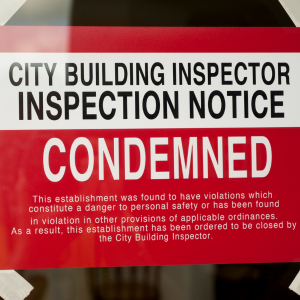
Severe pest infestations, mold, and fire damage are all problems that violate hazardous property laws in Texas and violate real estate compliance. In addition, homes that have plumbing, electrical, or foundational problems are also considered unfit dwellings under Texas law.
How Does Safety Affect Condemnation Decisions?
Safety is one of the many reasons why a structure can be condemned. Every structure in Texas is required to comply with the Texas Health and Safety Code in order to not become a danger to the public. Texas housing safety inspectors look for structural issues, hazardous materials, and violations of public nuisance laws. Insufficient and hazardous environments are the primary reasons why a property is condemned.
What Are the Consequences of Owning a Condemned House?
Financial Effects for Homeowners
A Texas homeowner would suffer financial losses by owning a condemned property. Condemnation negatively impacts the property’s value, so it becomes less valuable. There are also Texas property tax valuation consequences associated with condemnation.
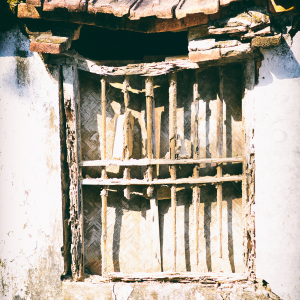
If the property faces foreclosure, the homeowner must adhere to the Texas foreclosure property regulations. Nevertheless, there are remedies available for substandard housing to assist homeowners.
Are There Any Legal Consequences?
Owning a condemned house can legally implicate you. Texas housing laws require that a condemned house meet the requirements. If not, a landlord may face litigation in housing court. The Texas Public Health Department may impose health-related restrictions on the owners of the condemned properties. Legal proceedings may further result from this. Compliance with the requirements can help mitigate legal issues.
What Are the Requirements for Renovating a Condemned House in Texas?
Renovating a condemned house in Texas means following specific rules and requirements. These rules ensure the home becomes safe and livable again, and knowing these requirements well helps avoid mistakes and legal issues.
Can Permits Be Obtained for Repairs?
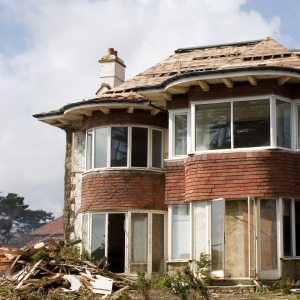
Getting permits is a key part of the renovation process. According to Texas construction permit laws, you need approvals from local authorities before starting repairs. This ensures you follow building code enforcement and helps rehabilitate condemned buildings. Contact local permitting offices to get current information on what documents are needed.
What Safety Standards Must Be Met?
Meeting safety standards is crucial when renovating condemned properties. Compliance with Texas safety standards for buildings is a must. Follow the structural safety guidelines and the Texas Health and Safety Code to ensure all parts of the building are safe for people to live in.
How Can One Prevent a House from Being Condemned?
Preventive steps can help homeowners avoid the trouble and cost of a condemned house. Learn about the Texas property maintenance code and understand the housing inspection process. This knowledge is essential for condemned house prevention.
Maintenance Tips to Avoid Condemnation
Regular maintenance is essential. Here are a few tips:
- Follow housing occupancy rules in Texas.
- Do routine inspections and repairs.
- Know your homeowner’s responsibilities in Texas, such as keeping the structure sound and preventing pest problems.
Community Resources Available for Homeowners
Homeowners can use various community tools to help maintain their homes and prevent them from being condemned. The Texas Neighborhood Stabilization Program and the Municipal Housing Authority’s programs are great ways to get help.
Can Condemned Houses Be Saved?
Yes, condemned houses can often be saved if approached correctly. Understanding condemned house remediation in Texas is vital. Each situation needs a strategy that fits the condemned building procedures and passes thorough housing safety inspections.
What Steps Are in the Process of Reverse Condemnation?
For a house to be fully reverse condemned, the following steps must be followed:
- Assess the damage and plan how the house will be repaired.
- Determine what the Texas property redevelopment requirements entail.
- With regard to the repairs, ensure that the Texas city code compliance is observed.
The Importance of Professional Help in the Restoration of the Property
The restoration of the property is easier with professionals. Experts in property restoration will ensure that all the improvements are in accordance with Texas real estate compliance. With their expertise, delays are avoided, and the property is returned to a habitable condition more quickly.
Suppose you follow these tips and work with the right professionals. In that case, you can handle the complicated process of fixing or keeping a property from being taken away by the government. Call House Buying Girls for help and advice for personalized information or to discuss specific situations.
What Are the Alternatives to Demolition for Condemned Homes?
If you have a condemned house, you have other options besides tearing it down. Considering these options, you might save the building and some of its worth.
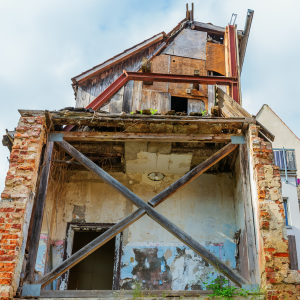
- Repair and Restore: One option is to fix the house to meet housing standards again. This means addressing the violations given during the condemnation process and following Texas housing code rules. Hiring pros to inspect and repair can turn a condemned property into a livable one.
- Renovation for Compliance: Big renovations might be needed to meet Texas housing code violations. This could mean updating plumbing, fixing electrical systems, or adding structural supports. Consulting experts familiar with local rules ensures the work is done correctly.
- Change of Use: Switching the property’s purpose is another idea. Changing from a home to a commercial space sometimes fits with zoning laws and permits. Depending on the new use, this route may need fewer alterations.
Are There Options Other Than Selling?
For those who do not want to sell a condemned house, here are other paths:
- Leasing to Tenants: Leasing may be an option if the property can be repaired. The owner must follow Texas real estate compliance standards and get the proper permits. Lower rent might be a trade-off for the property’s condition, but it can still bring income.
- Investment Partnerships: Working with investors interested in restoration can help. Investors might provide money and expertise for part ownership or profit shares, boosting the home’s value and reducing the owner’s losses.
How Does Leasing Work with Condemned Properties?
Leasing a condemned house has its issues:
- Understanding Texas Tenant Rights: Landlords must ensure tenants know their rights under Texas tenant laws, especially about unsafe housing.
- Temporary Housing Permits: Temporary housing permits should be secured before leasing. These permits ensure that health and safety standards are met.
- Risk and Contracts: Landlords and tenants need clear contracts that outline duties and potential liabilities related to the property’s condition.
What Impact Does a Condemned House Have on Surrounding Property Values?
Condemned houses can hurt neighborhood property values:
- Decrease in Property Value Assessment: A neglected structure can lower nearby property values, affecting the area’s real estate market.
- Neighborhood Impact: Such properties can tarnish a neighborhood’s image, leading to less buyer interest and further dropping property values.
Effects on Neighboring Properties
A condemned house can affect the community in many ways:
- Community Decline: These properties may attract vandalism and hurt neighborhood unity because of their poor state.
- Influence on Local Development: A neglected property can halt local development projects, affecting community improvement efforts.
What Can Neighbors Do to Address Concerns?
Neighbors worried about a condemned house can take action:
- Report to Municipal Housing Authority: They can report issues to Texas municipal housing authorities, leading to inspections and possible interventions.
- Engage with Local Government: Residents can approach local governments to help address the property’s problems.
How Do Insurance Companies Handle Condemned Properties?
Handling insurance for condemned properties is strict:
- Evaluating Coverage and Liability: Insurers study the property’s state and existing liabilities before offering coverage, which might be limited or excluded.
- Risk Assessments: Policies often include risk assessments to decide on possible coverage changes.
Is It Possible to Insure a Condemned House?
Getting insurance for a condemned house is tough:
- Condition Limitations: Insurers limit coverage based on a property’s condition, focusing on necessary repairs.
- High Premiums and Possible Denial: Owners face high premiums due to risks, and coverage may be denied if the property’s condition is too poor.
Changes in Coverage After Condemnation
After a home is condemned, insurance policies might change:
- Adjustments Post-Inspection: Insurance coverage may be adjusted after a housing inspection, reflecting new risk assessments.
- Possible Cancellations: In some cases, insurers might cancel policies if the home remains uninsurable due to safety hazards.
Are There Tax Implications for Owning a Condemned Property?
If you own a condemned home, especially in Texas, it can have a significant effect on your taxes. If you own property, you must know about these effects to find the best answer. If your property’s value goes down because it was condemned, your property taxes may go down, too, which could mean you get tax relief.
How Can Taxes Be Affected by Condemnation?
In Texas, assessing property value is key for setting taxes. When a property is condemned, questions about its structure and use arise, leading to a reassessment. According to Texas real estate rules, changes in property conditions must be reflected in taxation. If condemnation reduces your property’s value, your tax bill might decrease.
Opportunities for Tax Relief or Credits
If you own property in Texas, there might be options for tax relief or credits for condemned properties. Knowing your homeowner duties is essential to access these benefits. Relief programs and credits can help ease the financial strain of owning such properties.
What Role Does the Local Government Play in Condemnation?
Local governments, including municipal housing authorities, significantly influence the condemnation procedure. They implement community initiatives to stabilize housing and enforce building codes. The authorities evaluate and execute enforcement actions to ensure that state and local laws are followed.
How Are Local Authorities Involved?
In Texas, local authorities handle building code enforcement. If properties don’t meet safety standards, they may start housing court cases. This ensures community safety and adherence to housing laws through review and action.
Community Programs for Housing Stabilization
Community programs such as the Texas Neighborhood Stabilization Program and housing preservation initiatives in Texas aim to stabilize communities by redeveloping condemned properties and assisting them in reentering the housing market.
Can Condemnation Affect Property Ownership Rights?
Condemnation can impact ownership rights, especially under Texas eminent domain laws. These laws let the government take private property for public use. Understanding how to protect your rights during these proceedings is critical.
How Does Eminent Domain Influence Condemnation?
Eminent domain in Texas allows for the condemnation of property for public use. In such circumstances, ownership is transferred, and you are entitled to appropriate recompense. Knowing your rights and legal options can help you protect your interests in these situations.
Protecting Your Rights as a Property Owner
If you own land in Texas, protecting your rights is essential. You should know what you need to do to protect your stuff. Whether it’s understanding eminent domain rules or how to appeal decisions, knowing what the law says helps you protect your assets.
Contact us for help or to explore how we at House Buying Girls can support you through property challenges. Our team is ready to provide guidance tailored to your specific needs.
What Resources Are Available for Owners of Condemned Houses?
If you own a condemned house in Texas, there are resources to help you. Understanding your options makes the process smoother.
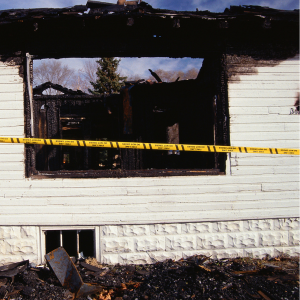
- Condemned House Remediation Texas: Programs exist to assist homeowners in fixing problems leading to condemnation. These programs help guide you through the remediation processes.
- Government Support Programs: Texas offers various support programs for financial and logistical assistance. Contact your local housing authority to learn more about these options.
- Non-Profit Organizations Offering Assistance: Some non-profit organizations help owners of condemned houses. They provide counseling, financial support, or redevelopment advice.
- Texas Property Redevelopment Requirements: Know the Texas requirements before starting any redevelopment. This helps ensure compliance and prevents future property issues.
- Housing Preservation Initiatives Texas: Participate in housing preservation initiatives that aim to restore and maintain essential properties. These initiatives often provide helpful resources and support.
What Should Prospective Buyers Know About Condemned Houses?
Buying a condemned house can be risky but rewarding if you do it right. Here’s what you should know:
- Risks and Benefits of Purchasing a Condemned Property: The main risks include structural problems and legal issues. Benefits might be lower purchase prices and increased value after renovation.
- Due Diligence Steps Before Buying: Inspect the property thoroughly and review its history. Ensure repairs are possible and cost-effective.
- Texas Real Estate Compliance: Follow Texas real estate laws to secure proper ownership and avoid legal trouble.
- Property Value Assessment Texas: Have a professional assess the market value and the repairs needed.
- Texas Homeowner Responsibilities: As a buyer, you must follow state responsibilities, like taxes, maintenance, and renovation work required to remove the condemnation status.
How Does Environmental Hazard Removal Affect Condemnation Status?
Environmental hazards significantly affect a property’s condemnation status. Addressing these hazards is essential for safety and compliance.
- Dealing with Asbestos and Mold: These common hazards need professional removal. Work with certified experts to reduce health risks.
- Compliance with Health and Safety Regulations: Following regulations helps lift the condemned status. Learn about local and federal health and safety standards.
- Lead and Asbestos Removal Texas: Texas has specific guidelines for removing lead and asbestos. To stay compliant, use services from licensed professionals.
- Texas Environmental Protection Agency: The Texas EPA offers resources and information on managing hazardous properties. They can help guide you through remediation.
- Hazardous Property Texas Laws: Understanding Texas laws about hazardous properties protects you from legal issues and ensures safe living conditions after remediation.
Contact House Buying Girls for assistance or to learn how we can help you navigate property challenges. Our team is ready to provide personalized guidance tailored to your needs.
FAQs:
What are Texas’s condemned house housing requirements?
Texas says condemned homes must fix water, wiring, and structural damage before being lived in again. They must also follow local building codes. A professional builder can assess your home’s needs.
How do I protect my Texas condemned house rights?
Understand the legal system and consult Texas-savvy real estate lawyers or contractors to protect your rights. You can clarify your local government obligations by keeping property records.
What are Texas’s home safety inspection standards?
Texas safety inspections cover fire safety, asbestos handling, and structure strength. Your home must follow these rules to avoid issues. Having professionals inspect your home regularly can help maintain it.
Can I sell a condemned house in Texas, and what should I consider?
Texas allows condemned house sales. The condition must be disclosed to buyers. Real estate experts who specialize in distressed properties can help you sell your property legally and for the best price.
What are Texas’s condemned house eviction procedures?
Legally evicting tenants from a condemned house requires notice and time to move. Texas landlord-tenant laws must be followed, so consult a lawyer.
What are the Texas historic building maintenance criteria?
Texas’ historic buildings must be safe and preserved. You may need to keep original features while updating to safety codes. Local landmark preservation groups can help you comply.
Differences between Texas and Oklahoma house conditions?
Texas and Oklahoma have different laws and climates, affecting house conditions. Property owners should know their local codes, and local experts can explain regional differences.
Why should Texas housing criteria be discussed with contractors?
Contractors can determine if a house meets Texas safety and structure codes and suggest repairs. Renovating and dealing with condemned homes requires certified contractors.
Key Insights
- Abide by state regulations, know home requirements in Texas, and keep the living place secure.
- Familiarize yourself with Texas housing requirements when working with condemned houses to understand what needs to be done.
- Understand the Texas condemned houses requirements to safeguard yourself in sales or legal matters.
- Understand the legal requirements concerning condemned houses in Texas to avoid problems and keep your home safe.
- Understand the eviction process in Texas when selling a condemned house to keep everything in order.
- To preserve the value of older properties and to comply with fire safety regulations, Texas preservation standards of historic buildings should be observed.
- Be aware of the varying requirements for housing in Texas and Oklahoma since they differ in home requirements.
- Self-awareness and due diligence in complex property situations will safeguard your rights.
- Integrate Texas fire safety codes in your property management to ensure the safety of all and legal compliance.
This information applies to Texas and its cities like Dallas, Fort Worth, and Arlington. For help or questions, call us at (214) 393-8026. You can also visit our website at House Buying Girls for more details.
Fair Cash Offers In Texas
Helpful Texas Blog Articles
- Repair a Settling Foundation in Your Texas Home
- Selling Your Texas Home to a Bank
- Selling Your Parents’ House In Texas
- Sell A Portion Of Your House In Texas
- Selling A Mold-Affected House In Texas
- For Sale By Owner vs. Realtor In Texas
- Opting Out Of An HOA In Texas
- Termite Tenting Costs For Homes In Texas
- Listing Your Property on MLS in Texas
- Guide to For Sale By Owner Benefits in Texas
- Who Pays Real Estate Agents in Texas
- Can I Legally Sell My House to My Spouse
- Can an Administrator of an Estate Sell Property in Texas
- Selling Your Texas House Without A Real Estate Agent
- How To Avoid Closing Costs In Texas Legally