![Tips to Skip Closing Costs [market_city]](https://image-cdn.carrot.com/eyJidWNrZXQiOiJwcm9kdWN0aW9uLmNhcnJvdC11cGxvYWRzLm9uY2Fycm90LmNvbSIsImtleSI6InVwbG9hZHMvc2l0ZXMvNzA1NjcvMjAyNi8wOC9UaXBzLXRvLVNraXAtQ2xvc2luZy1Db3N0cy5qcGciLCJlZGl0cyI6eyJyZXNpemUiOnsid2lkdGgiOjExNTJ9LCJ0b0Zvcm1hdCI6IndlYnAiLCJ3ZWJwIjp7InF1YWxpdHkiOjcwfX19)

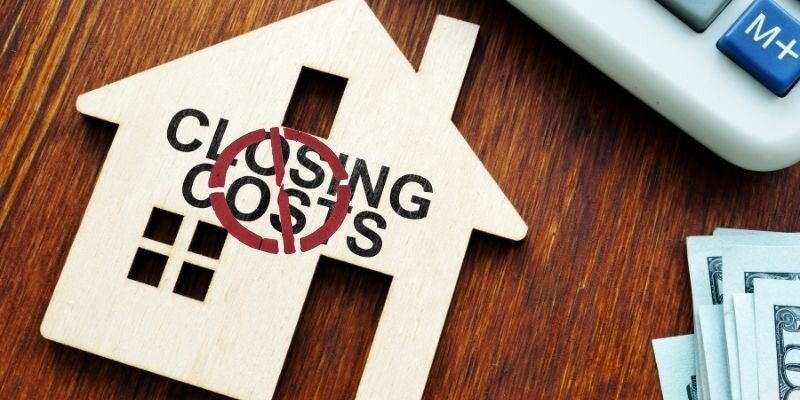
Nobody sits down at a closing table and thinks, “I’m thrilled to hand over another $10,000 today.” Yet that’s just what buyers across Texas run into when they show up unprepared, from the Hill Country suburbs outside San Antonio to the master-planned neighborhoods of Sugar Land. The sale price is what gets all the attention. Closing costs are what really empty your bank account.
This guide is for buyers who want to go into a Texas home purchase with their eyes open. You’ll see exactly where money changes hands. You’ll also learn every legal way to keep more of it in your pocket.
Understanding Closing Costs in Texas Before You Buy
Sit across from me at a kitchen table, and I’ll tell you this first. Closing costs are not a fixed number. They’re not fully your problem to solve alone, either. Buyers often treat them like a toll booth, a bill they just have to pay and can’t touch. That belief is wrong, and it costs people real money.
Buyers in Texas often land between 2% and 5% of the sale price in closing costs, while sellers give up between 6% and 10%. A lot of that seller-side share is agent commissions. Title fees, taxes, escrow account setup, and processing fees are stacked in there, too. Each title company quotes escrow setup in its own way.
What makes Texas a little different from most states is a handful of local customs that work in the buyer’s favor. There’s no state transfer tax here, and title insurance rates are set by the state rather than by each company. And sellers, by local custom, pick up the cost of the owner’s title insurance policy. That last one matters a lot on a $350,000 sale.
The state-set rate on the owner’s title policy for a $350,000 sale runs a little over $2,000. In most other states, that lands on the buyer. In Texas, the convention puts it on the seller. It’s not a law you can cite. It is a strong enough custom that pushing back on it creates friction at the table.
A Texas Department of Insurance order signed in late December cut basic title premium rates by 6.2%, effective March 1, 2026. That was the first cut since 2019, so if you’re closing right now, your title costs are already lower than they were a year ago. Confirm the figure on your closing disclosure.
One pattern I keep seeing: buyers focus only on the sale price. They forget that the loan type they choose reshapes the whole closing cost picture.
What Is the Home Price Range You Should Target in Texas?
Your target price range decides how hard the closing costs hit as a share of your total cash out.
Earlier this year, the statewide median price was $328,000, the first dip from the year before in more than a decade, per Texas REALTORS. That number hides a lot of local spread, and San Antonio entry-level areas like Converse and Schertz look very different from Frisco or West Austin. Prices there push well past $500,000, and inventory moves faster, too.
Texas is running as a buyer’s market, which is rare among states right now. Inventory has been building for over a year. Active inventory reached a 5.2-month supply this spring, per the Texas Real Estate Research Center, and a lot of the power is sitting in the buyer’s corner.
For buyers targeting homes around $350,000, closing costs translate to roughly $7,000 to $17,500 in extra cash needed at the table. On a $400,000 purchase, that range climbs, and if you’re shopping near your hard ceiling, closing costs can push you past it fast.
Buyers who work with a team that knows the local market, like House Buying Girls, get a clearer picture of what’s real in specific areas before they ever sit at a closing table.
What Type of Home Loan Is Best for Texas Buyers?
Your loan type is tied to how much you’ll spend getting to the finish line.
VA loans need no money down and carry no monthly mortgage insurance. FHA drops the credit threshold to 580 with a low down payment. Conventional loans skip the upfront funding fee. They also demand stronger credit and at least 3% down. Each of those differences changes what you owe at closing, sometimes by several thousand dollars.

FHA loans carry a fee that conventional loans don’t. Each FHA loan needs an upfront mortgage insurance premium of 1.75% of the loan amount. You pay it at closing or roll it into the mortgage. On a $300,000 loan, that’s $5,250 before a single lender origination charge. Rolling it in means paying interest on it for 30 years.
Conventional loans in Texas tend to be closer to the 2% end of the closing cost range. Texas lacks many of the extra fees common in states like Florida and New York. If your credit score is above 700 and you’ve got a modest down payment ready, conventional is worth a very serious look.
VA loans are the most overlooked option in Texas. Veterans and active-duty service members who qualify should run the numbers before assuming FHA is the better option. VA loans carry a one-time funding fee of 0.5% to 3.3% at closing. There’s no monthly mortgage insurance, which can save hundreds of dollars a month for the life of the loan. That savings adds up fast over 30 years.
Getting quotes from three lenders isn’t optional advice. On a $400,000 loan, a quarter point in origination charges costs you $1,000.
How Property Type Changes What You Pay at Closing in Texas
A buyer walks in expecting to finance any house they can find. Then reality arrives in the form of appraisal guidelines and property condition rules.
Lenders funding Texas homes care a lot about what they lend against. A conventional loan on a well-kept home in Katy or Cedar Park moves through underwriting without much drama. An FHA loan on a property with peeling paint, missing handrails, or a failing roof hits a wall fast. FHA requires that the property meet minimum condition standards before closing. I’ve seen sales stall for weeks over a loose stair railing.
TSAHC down payment assistance allows only 30-year, fixed-rate loans. The loan types allowed are FHA, VA, USDA, and some conventional products. Using that money to offset closing costs means you’re limited on property type and loan structure at the same time.
USDA loans target low-to-moderate-income buyers in rural areas and need no money down. Lenders usually want a credit score of 640. Towns like Fredericksburg, Bastrop, and Marble Falls have pockets of USDA-eligible addresses, so check the parcel on the USDA map before you fall in love with a house.
Condos, manufactured homes, and investment properties all face extra hurdles. Ask the lender about the property type before you sign anything.
How Much Do You Need to Put Down on a Texas Home?
Do you really have to put 20% down to buy in Texas?
No. That number is a relic of a different era. FHA needs a low down payment with a credit score of 580 or above. Conventional loans can go as low as 3% for qualified buyers. VA and USDA offer zero-down paths for those who qualify. The old 20% assumption stops many people before they even start looking.
Plenty of Texas buyers put down 5% to 7% instead. That keeps the monthly payment in reach without draining savings dry.
Here’s where the down payment decision connects to closing costs. A larger down payment on a conventional loan can eliminate private mortgage insurance. Yet if putting more down means showing up at closing with no reserves, you’re exposed. A thin cushion after closing causes more problems than a slightly higher monthly payment. I’ve watched buyers learn that the hard way when an appliance fails in week two.
On a $300,000 Texas purchase financed with FHA at 3.5% down, mortgage insurance adds roughly $160 to $190 a month. Conventional buyers can drop that cost once they reach 20% equity. Over five years, the gap adds up to between $9,600 and $11,400. Be sure to run the math before you commit to a loan type.
Is Down Payment Assistance Available to Texas Home Buyers?
Texas funds assistance programs through two state agencies. Most qualifying buyers never find out about either one.
TDHCA is the Texas Department of Housing and Community Affairs. TSAHC is the Texas State Affordable Housing Corporation. They run their own programs and rules, and both are real.
TDHCA provides a second mortgage of up to 5% of your loan amount at 0% interest with no monthly payments. It’s deferred for 30 years or until you sell or refinance. That’s not a grant. You’ll repay it later, though it doesn’t affect your monthly payment. And 0% interest means the debt doesn’t grow while you hold it.
TSAHC offers a choice: take a non-repayable grant of 3% or more, or take a deferred second lien with a lower first-mortgage rate. The grant option is the best first choice if you qualify, because that money never has to come back.
State money can also be layered with city-level help:
- Houston: up to $50,000
- Dallas: up to $60,000
- Austin: up to $40,000
- San Antonio: up to $30,000
In the right zip code, stacking state and city help can bring a buyer’s out-of-pocket closing costs very close to zero.
Programs like these want a 620 credit score, a homebuyer education course, and income inside limits that shift county by county. Check the current numbers and approved lenders on TDHCA’s site.
Do First-time Home Buyers in Texas Get Special Benefits?
A couple came to me last year after months of saving, certain they’d missed the window to buy because rates had moved against them. Once we looked at what they qualified for, the picture shifted.
TDHCA’s My First Texas Home program delivers up to 5% in down payment assistance. You can stack it with a federal Mortgage Credit Certificate, which credits part of your yearly mortgage interest back at tax time. That credit cuts what you owe the IRS each year you live in the home. Most buyers have never heard of it.
Teachers, firefighters, law enforcement officers, EMS workers, veterans, and nurses have a separate track. The Homes for Texas Heroes program provides 5% down payment assistance plus a free Mortgage Credit Certificate worth up to $2,000 a year.
TDHCA counts you as a first-time home buyer if you haven’t owned a main home in the past three years. Veterans skip that rule entirely. So if you sold a house four years ago and rented since, you qualify as a first-time buyer for program purposes today.
Most buyers underestimate the one thing these programs require: an approved lender. Not every bank or lender takes part. Ask about DPA experience before you apply. A lender who hasn’t done these sales will slow you down or steer you away from money that’s rightly yours.
House Buying Girls is a good starting point if you want help on which programs fit your case and how they work with each loan type.
How to Avoid Closing Costs in Texas
Seller concessions are the most underused tool in a Texas buyer’s arsenal right now. Most buyers leave them on the table without ever claiming them.
In Austin’s 2026 buyer’s market, sellers are covering costs they wouldn’t have touched at the peak. That includes parts of buyer closing costs, rate buydowns, and survey fees. Austin isn’t alone. Dallas and San Antonio sellers are making the same moves at a rate not seen in years.
The math is simple. On a $350,000 sale, a 3% concession covers $10,500 of buyer costs. You offer the full sale price, and the seller agrees to credit that amount at closing toward your fees. The loan amount is still based on the full sale price.
How much a seller can put toward your costs depends on the loan:
| Loan type | Seller-paid limit |
|---|---|
| FHA | 6% of sale price |
| Conventional, under 10% down | 3% |
| Conventional, 10 to 25% down | 6% |
| Conventional, over 25% down | 9% |
| VA | 4% in concessions, plus normal closing costs |
FHA gives buyers the most room to work with at the low end of the down payment scale. On a $400,000 FHA purchase, that 6% ceiling is $24,000. It more than covers everything most buyers owe at closing.
Beyond concessions, there are a few other legal moves. Shop lenders hard on Section A of the Loan Estimate, which covers origination charges. Three quotes side by side can shave four figures off what you bring to the table. Rolling closing costs into the loan works for some loan types when the appraised value supports it. Appraisals can come in tight. And if you’re paying cash, you skip lender fees, appraisals, and most processing fees altogether.
Many buyers overlook escrow setup, where your lender collects prepaid property taxes and insurance premiums at closing to fund the account. This isn’t a fee, exactly, just your own money collected in advance. Still, it shows up on the settlement statement and adds to what you write a check for that day.
How Does Your Current Mortgage Affect Buying a New Home in Texas?
Unsold homes sit 90 days on the market statewide, and the median seller price cut has been $12,500, about 3.6% off the first list price. For buyers who already own a home and are trying to time a purchase with a sale, that timeline creates real money pressure. Two mortgage payments, two sets of insurance premiums, and two property tax bills accruing at once.
A couple in Pflugerville approached me after carrying two mortgages for nearly eleven months. Their old home had been sitting on the market since early winter. They’d dropped the price twice, and their savings were getting thin. The old house had become the problem, not the new one. Selling to cash home buyers in Pflugerville, TX, gave them a date certain, and they stopped bleeding money the following month.
That’s the gap we fill. We buy houses in Texas in as-is condition, so the old place stops setting the schedule for the new one. If your current home sits in the metroplex, you can sell your house in Dallas, TX, on a date you pick.
If you’re in that position, a bridge loan is one option, though they carry costs of their own. Negotiating a longer closing window on your purchase gives the sale of your current home more time, and a home sale contingency in the contract is a third path. Sellers in even fairly active markets will push back on it.
Lenders scrutinize your debt-to-income ratio closely during underwriting, and an existing mortgage affects it. If your current home isn’t selling quickly, lenders may count both payments against your qualifying income. That can shift which loans you can get and how much you’ll pay to close on the new one.
Talking through this kind of overlap is just what we do well at House Buying Girls. We’ve seen this bind enough times to help you think through the order and the costs before you’re already stuck in it.
Frequently Asked Questions
How Do You Avoid Paying Closing Costs?
The most direct way is to negotiate a seller concession, where the seller credits you a set dollar amount at closing that covers your fees. Stacking down payment assistance through TDHCA or TSAHC can also offset or wipe out out-of-pocket closing costs for the right buyers. Comparing lender fees across three or four lenders helps too. Picking your loan type with care, based on your credit, cuts the total before you even start to negotiate.
Who Usually Pays Closing Costs in Texas?
Both sides pay something, though the split is far from even. Buyers cover loan fees, the appraisal, inspections, and escrow setup. Sellers, by custom, pay the agent commissions, the owner’s title insurance policy, recording fees, and their share of prorated property taxes. In this buyer’s market, sellers often agree to cover part of the buyer’s closing costs, too, and that’s especially true in markets like Austin and Dallas, where inventory is high.
How Much Are Closing Costs on a $400,000 House in Texas?
At 2% to 5%, a buyer’s closing costs on a $400,000 purchase run between $8,000 and $20,000. What you pay hangs on the loan type, the lender fees, and what you work out. FHA loans sit toward the higher end of that range because of the upfront mortgage insurance premium, while conventional loans for buyers with strong credit can land a fair bit lower. A seller concession of 3% would contribute $12,000 toward those costs.
How Much Are Typical Closing Costs on a $300,000 House in Texas?
On a $300,000 purchase, buyer closing costs fall between $6,000 and $15,000. The loan type matters a lot at this price point. An FHA loan at 3.5% down carries the upfront mortgage insurance premium on top of standard lender fees. A conventional loan for a buyer with a score above 700 can come in toward the lower end of that range. Asking the seller for a concession, or applying or TSAHC or TDHCA assistance, can bring your out-of-pocket number down to near zero in some cases.
If you’re trying to sort out how closing costs, down payment assistance, and your current mortgage all fit together before you make a move, we’re here to help you think it through. No sales pitch. No pressure. Just a real talk about what makes sense for you. When you’re ready, contact House Buying Girls and we’ll take it from there.
Helpful Texas Blog Articles
- Repair a Settling Foundation in Your Texas Home
- Selling Your Texas Home to a Bank
- Selling Your Parents’ House In Texas
- Sell A Portion Of Your House In Texas
- Selling A Mold-Affected House In Texas
- For Sale By Owner vs. Realtor In Texas
- Opting Out Of An HOA In Texas
- Termite Tenting Costs For Homes In Texas
- Listing Your Property on MLS in Texas
- Guide to For Sale By Owner Benefits in Texas
- Who Pays Real Estate Agents in Texas
- Can I Legally Sell My House to My Spouse
- Can an Administrator of an Estate Sell Property in Texas
- Selling Your Texas House Without A Real Estate Agent
- How To Avoid Closing Costs In Texas Legally