

You’ve got a house you need to sell. Maybe it’s that old Victorian in the Heights, or a ranch-style home in Plano that’s been in your family for decades. Whatever the reason, you’re about to enter the world of Texas real estate disclosures, and honestly, most agents won’t tell you this: the disclosure requirements here can make or break your sale.
Texas Real Estate Disclosure Requirements for Home Sellers
Texas law mandates that sellers must complete a Seller’s Disclosure Notice, a form that outlines the property’s condition and any known defects. This requirement is specified in Section 5.008 of the Texas Property Code, which states that a seller of residential real property comprising not more than one dwelling unit must provide a written notice to the purchaser.
Here’s what nobody mentions upfront: this isn’t just paperwork. The disclosure form must be submitted in Texas either before (or on the same date as) the purchase contract goes into effect. Sellers who supply this form late give prospective buyers an easy out. Failing to return the form on time offers buyers the chance to “terminate the contract for any reason,” according to Texas Realtors®.
I’ll be straight with you. The current Texas housing market isn’t forgiving. Median home sales prices were up in 17 Texas metro areas and down in nine during the third quarter, while the overall statewide median price of $340,000 was unchanged from the same quarter last year, according to the 2024 Q3 Texas Quarterly Housing Report released by Texas REALTORS®. With homes taking longer to sell, buyers have more leverage than they’ve had in years.
Houses in Texas stayed on the market an average of seven days longer in Q3 2024 than during the same quarter last year. Months of inventory, or how long it would take the existing homes on the market to sell at the current rate of sales, was 4.8 statewide, which is an increase from 3.6 months during the same period last year.
That means buyers can afford to walk away from deals where sellers haven’t been completely transparent. Don’t give them a reason to.
Mandatory Property Condition Disclosures Under Texas Law
This statute says that sellers of single-unit residential real property must give purchasers a written notice containing their knowledge of the condition of the property. The statute sets forth language that should be on that form, focusing on material defects.
The Texas Real Estate Commission (TREC) form covers everything from your HVAC system to whether you’ve ever had termites. But here’s the key point most people miss: it only needs to be filled out “to the best of the seller’s belief and knowledge” as of the signing date. This means that you are not required to conduct any independent inspections of your property, or hire an engineer or professional inspector to verify its condition or turn up problems you yourself couldn’t see.
You’re not expected to be a home inspector. On the form, one of your options for answering questions is to say “unknown.” But here’s where sellers get into trouble: if you know something and don’t disclose it, you’re opening yourself up to serious liability.
If you cannot reach one, over-disclosure is always going to be the best option. I’ve seen too many sellers try to thread the needle on disclosures, thinking they can get away with not mentioning something minor. Don’t do it.
The disclosure covers several major categories: structural systems (foundation, walls, floors), plumbing and electrical systems, HVAC equipment, appliances and fixtures, environmental hazards, previous damage or repairs, and legal issues affecting the property. It’s also important to understand how these disclosures relate to the buyer’s rights—particularly during the inspection period—since a buyer can often back out after a home inspection if significant issues are discovered, depending on the terms of the purchase agreement and any contingencies in place.
Each section asks you to state whether you’re aware of any issues, and if you are, to provide details. If repairs have been made, you must disclose both the original problem and the work done to fix it—especially important when you’re looking to sell your house fast in Dallas, where transparency can help speed up the process.
Lead-based Paint Disclosure Requirements for Pre-1978 Properties
If your house was built before 1978, you’ve got an additional federal requirement that carries serious penalties if you mess it up. If your client is selling or purchasing a home constructed before January 1, 1978, the contract must include the Addendum for Seller’s Disclosure of Information on Lead-Based Paint and Lead-Based Paint Hazards as Required by Federal Law (the Addendum).
The rule is simple: if the home was built before 1978, the disclosure is required. The government banned lead-based paint for residential use in 1978, so any home built before that date could contain it.
Don’t make the mistake I’ve seen countless sellers make. Assuming “I don’t know about any lead paint” means you can skip the form. It doesn’t. Even if you have zero knowledge of lead paint, you still fill out the form and check the box that says you have no knowledge.
The penalties for skipping this disclosure aren’t just paperwork violations. The EPA doesn’t treat lead-based paint violations as paperwork technicalities. Treble damages in private lawsuits (the buyer can sue for three times their actual damages plus attorney’s fees). These aren’t theoretical. The EPA actively enforces lead-based paint disclosure requirements. Individual sellers have been fined, and real estate companies have paid six-figure settlements.
Before a homebuyer signs a contract for a housing sale or a renter signs a lease, federal law requires sellers, landlords, real estate agents, and property managers to: Give buyers and renters a copy of the Protect Your Family From Lead In Your Home (PDF) pamphlet with information on identifying and controlling lead-based paint and lead-based paint hazards. Disclose any known information about the presence of lead-based paint and lead-based paint hazards in the home or building.
You also need to provide homebuyers a 10-day period to conduct a paint inspection or risk assessment for lead-based paint or lead-based paint hazards. Parties may mutually agree, in writing, to lengthen or shorten the time period for inspection.
Environmental Hazards and Contamination Disclosure Obligations

Environmental issues go beyond lead paint. Texas has unique environmental concerns that other states don’t deal with. We’ve got oil and gas activity, chemical plants along the Gulf Coast, and agricultural operations that can affect residential properties.
You need to disclose any knowledge of: soil contamination from previous industrial use, underground storage tanks on the property, asbestos in older homes (particularly those built before 1980), radon gas issues, nearby hazardous waste sites, and chemical spills or contamination.
I bought a house in Pasadena once, where the seller failed to mention the property had been a gas station in the 1960s. The buyer discovered underground tanks during renovation and sued successfully for remediation costs. The seller ended up paying over $80,000 in cleanup costs plus legal fees.
You need to be extra careful about environmental details if your property is near petrochemical plants or refineries or has been used for business in the past. The Texas Commission on Environmental Quality (TCEQ) keeps track of places that are polluted, and buyers’ lawyers know how to search these databases.
Structural Defects and Foundation Issues Sellers Must Report
Foundation problems are a big deal in Texas. Our clay soil, extreme weather, and drought cycles create unique foundation challenges that buyers from other states might not understand. If you know about foundation issues, you absolutely must disclose them.
Here’s what you need to report: cracks in foundation walls or slabs, previous foundation repairs, doors or windows that stick due to settling, uneven floors, plumbing problems caused by foundation movement, and previous engineering reports about foundation issues.
I’ve seen sellers try to hide foundation repairs by doing cosmetic fixes without addressing the underlying problem. This always backfires. Buyers will discover the issues during inspection, and then you’re dealing with not just the repair costs but also potential fraud claims.
If you’ve had foundation work done, get the documentation together: engineering reports, contractor invoices, warranty information, before and after photos, and any permits that were pulled.
Buyers actually appreciate transparency about foundation work. If you’ve addressed the problem properly with a reputable contractor and have documentation, it can actually be a selling point. It shows you’ve maintained the property and dealt with issues responsibly.
Water Damage History and Flood Zone Disclosure Rules
Water damage is serious business in Texas. Between hurricanes, flash floods, and our legendary thunderstorms, water issues are common. In 2019, the TREC sellers’ disclosure was expanded to include questions about flooding, water penetration, and any previously filed insurance claims relating to water damage. The Texas Realtors disclosure also addresses this subject, just not as extensively.
You must disclose: previous flooding from any source, water damage from storms, burst pipes, or appliance failures, insurance claims filed for water damage, whether the property is in a flood zone, and previous mold issues and remediation.
For example, if there has been water damage, you must state that, as well as whether it was adequately remediated to ensure there will be no mold.
Houston sellers know this better than most after Hurricane Harvey. Properties that flooded during Harvey or other major storms need full disclosure, even if they’ve been completely renovated. Buyers have a right to know the property’s flood history.
If your property is in a FEMA flood zone, that’s not necessarily a deal-killer, but buyers need to know so they can get appropriate insurance. Flood insurance requirements can significantly affect a buyer’s monthly housing costs.
Don’t try to hide water damage with fresh paint and new flooring. Professional inspectors can detect previous water intrusion with moisture meters and other tools. If they find undisclosed water damage, you’re looking at potential fraud claims.
HVAC System Problems and Mechanical Defect Notifications
Your heating and cooling system is one of the most expensive components buyers will inherit. If there are problems, they need to know about them upfront.
Tell them about any problems with the ductwork, the age and condition of the HVAC units, recent repairs or maintenance, not being able to heat or cool enough, high energy bills from systems that aren’t working well, and issues with thermostats or controls.
Texas summers are brutal. An HVAC system that can’t keep up isn’t just an inconvenience; it’s a health and safety issue. If your system struggles to maintain comfortable temperatures or if your electric bills are unusually high due to an inefficient system, buyers need to know.
If you’ve recently replaced or repaired major HVAC components, that can actually be a selling point. Keep all documentation: installation receipts, warranty information, maintenance records, and energy efficiency ratings.
Companies like House Buying Girls see HVAC issues frequently when purchasing homes directly from sellers. They factor these costs into their offers, but they appreciate it when sellers are upfront about known problems. It builds trust and can actually speed up the transaction.
Electrical System Issues That Require Seller Disclosure
Electrical issues can be costly and a safety hazard. Texas has some worries about older electrical systems, particularly in residences built before contemporary electrical rules were in place.
You should inform them of old electrical panels or fuse boxes, aluminum wire (common in homes built in the 1960s and 1970s), GFCI outlet issues, insufficient electricity for present demands, electrical fires or difficulties in the past, code violations or unauthorized work.
If your home still has a fuse box instead of circuit breakers, that’s something buyers need to know. Insurance companies often require electrical upgrades for older systems. Similarly, aluminum wiring can be a significant issue that affects both safety and insurability.
Flickering lights, frequently tripped breakers, or outlets that don’t work properly all need to be disclosed. These might seem like minor issues, but they can indicate larger electrical problems that could cost thousands to repair.
Plumbing Defects and Water System Problem Reporting
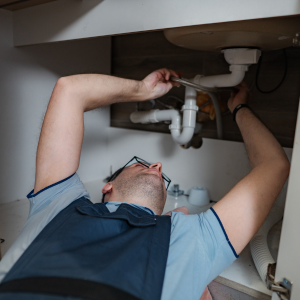
Plumbing issues range from minor annoyances to major system failures. In Texas, we also deal with hard water in many areas, which can cause unique plumbing problems.
Disclose any problems with: water pressure issues, leaking pipes or fixtures, sewer line problems, water heater age and condition, hard water damage to fixtures or appliances, previous plumbing repairs or replacements, and septic system issues (for properties not on city sewer).
Cast iron pipes, common in older Texas homes, are prone to corrosion and blockages. If your home has original cast iron sewer lines, buyers need to know they may need replacement soon.
Galvanized steel water supply lines are another common issue in older homes. These pipes corrode over time and can cause water pressure and quality problems. If your home has galvanized plumbing, disclose it.
Water heater age is important, too. Most water heaters last 8-12 years in Texas due to our hard water. If yours is approaching the end of life, let buyers know so they can budget for replacement.
Roof Damage and Weather-related Issue Disclosures
Texas weather is hard on roofs. Hail, strong gusts and hot sun all play their part. Roof problems can be expensive to repair and can pose major concerns if left untreated.
You must disclose: hail damage from storms, missing or damaged shingles, previous roof repairs or replacement, leaks or water intrusion, age of the roof, and insurance claims for roof damage.
If you’ve had your roof inspected after recent storms, provide those reports to buyers. Even if no damage was found, it shows you’ve been proactive about maintenance.
Hail damage is particularly common in North Texas. The “hail belt” from San Antonio through Austin to Dallas sees frequent severe storms. If your roof has been damaged by hail, even if you’ve had it repaired, buyers need to know the history.
Don’t assume that because you’ve had repairs done, you don’t need to disclose the original damage. The repair history is relevant information that can affect the roof’s remaining lifespan and warranty coverage.
Pest Infestation History and Termite Damage Reports
Termites are a fact of life in Texas. Our warm, humid climate creates perfect conditions for these destructive insects. Sellers must disclose significant issues, including previous fires, foundation and water damage, and termite problems, emphasizing the necessity for transparency to avoid future legal issues.
You need to disclose: previous termite infestations, termite damage and repairs, regular pest control treatments, other pest issues (carpenter ants, wood-boring beetles), and structural damage from pests.
Imagine that you sell your suburban home outside of Dallas, and neglect to mention on your disclosure form that a massive termite infestation is eating away at the base of the home. Inevitably, the buyer discovers the issue and realizes that the cost of exterminating the critters and remediating the home’s foundation will be substantial. The buyer might sue for breach of contract or fraud.
Even if you’ve successfully treated termite problems, buyers need to know about the history. They’ll want to see: pest control company records, treatment documentation, repair receipts for any structural damage, and current inspection reports.
In Texas, regular pest control work is actually a good thing. It shows that you’ve taken steps to avoid trouble. Keep records of your service and give them to buyers.
Septic System and Well Water Quality Disclosure Forms
Many properties in Texas outside of city borders are serviced by septic systems and private wells. Such systems have some disclosures and maintenance issues.
For septic systems, disclose: age and type of septic system, recent pumping and maintenance records, any problems with backups or failures, soil percolation test results, and permit information for installation.
For private wells, report: water quality test results, well depth and pump information, any contamination issues, recent maintenance or repairs, and water production capacity.
Well water quality can vary significantly across Texas. Some areas have naturally occurring minerals or contaminants that require treatment systems. If your well water requires filtration or treatment, buyers need to know about ongoing maintenance costs.
Septic system failures can be costly to fix and are a health issue. Full disclosure is important if there have been any difficulties with your septic system. Buyers will generally want the system flushed and examined before to closing.
Previous Insurance Claims and Property Loss History
Insurance claim history affects both the property’s insurability and the buyer’s future insurance costs. Texas sees frequent severe weather, so most properties have some claim history.
Disclose all previous claims for: wind and hail damage, flood or water damage, fire damage, theft or vandalism, and liability claims on the property.
Insurance companies share claim information through databases like CLUE (Comprehensive Loss Underwriting Exchange). Buyers’ insurance agents will see this history when writing policies, so there’s no point in hiding it.
Multiple claims can make a property difficult to insure or result in higher premiums. Some insurance companies won’t write policies for properties with multiple weather-related claims in recent years.
If you’ve had claims that were later withdrawn or resulted in no payment, disclose those too. The fact that a claim was filed is what matters for insurance purposes, not whether money was paid out.
HOA Fees and Homeowners Association Disclosure Documents
If the property is part of a homeowners organization (HOA) there should be disclosure of fees and restrictions. HOA information is important to understand the fees and constraints of owning a home.
Buyers need to know: monthly or annual HOA fees, special assessments planned or under consideration, HOA financial health and reserve funds, deed restrictions and architectural guidelines, pending litigation involving the HOA, and violation history for the property.
HOA fees in Texas vary widely. Some basic HOAs charge $50-100 per month for minimal services, while luxury communities can charge $500+ monthly for extensive amenities and services.
Special assessments may be particularly troublesome. If your HOA is planning big repairs or renovations that may require special assessments, purchasers need to know they could be in for unexpected fees after closing.
Provide buyers with: recent HOA financial statements, meeting minutes discussing assessments or major decisions, CC&Rs (Covenants, Conditions & Restrictions), architectural guidelines, and any violation notices or correspondence with the HOA.
Property Tax Assessment and Outstanding Lien Information
Property tax information affects buyers’ monthly housing costs and financing. Outstanding liens can prevent a clear title transfer.
Disclose information about: current property tax assessments, pending tax appeals or protests, outstanding tax liens, special improvement district assessments, and other liens against the property.
Texas property taxes are among the highest in the nation, but we don’t have a state income tax. Buyers from other states might not understand how our property tax system works or the potential for significant annual increases.
If you’ve successfully protested your property taxes, provide that documentation to buyers. It can help them understand the process and potentially save money in the future.
Outstanding liens must be resolved before closing. This includes: unpaid property taxes, mechanic’s liens from contractors, HOA liens for unpaid fees, municipal liens for code violations, and federal or state tax liens.
Zoning Restrictions and Land Use Limitation Notices
Zoning and land use restrictions can significantly affect how buyers can use the property. These restrictions aren’t always obvious from a casual inspection.
Disclose any knowledge of: current zoning classification, non-conforming use status, pending zoning changes, deed restrictions beyond HOA rules, easements affecting property use, and building height or setback restrictions.
Non-conforming use situations are particularly serious. If your property doesn’t comply with current zoning (grandfathered from previous regulations), buyers need to understand the limitations this creates for future modifications or rebuilding.
Some Texas neighborhoods have deed restrictions that are more restrictive than city zoning. These might limit: types of businesses that can operate from the home, parking restrictions, architectural styles for additions, tree removal limitations, and fence height and style requirements.
Utility Easements and Property Boundary Dispute History
Easements and boundary issues can limit property use and create ongoing problems with neighbors or utility companies.
Disclose information about: utility easements for power, gas, water, or telecommunications, access easements for neighboring properties, drainage easements or flood control, pipeline easements (common in Texas), boundary disputes with neighbors, and survey discrepancies.
Pipeline easements are particularly common in Texas due to our oil and gas industry. These easements can restrict building and landscaping options while providing ongoing income to property owners.
Boundary disputes with neighbors need full disclosure. Even if you believe you’re in the right, buyers need to know about ongoing conflicts that could require legal resolution.
Recent surveys can help clarify boundary issues. If you’ve had a survey done, provide it to buyers. If there are discrepancies between your survey and neighbors’ surveys, disclose those conflicts.
Neighborhood Nuisances and External Factor Disclosures
External factors affecting property enjoyment or value need disclosure, even if they’re not on your property.
Consider disclosing: noise from nearby highways, airports, or industrial facilities, odors from industrial operations or waste facilities, planned development that might affect views or traffic, frequent flooding of nearby streets, crime issues in the neighborhood, and registered sex offenders nearby (buyers can check this themselves, but it’s good customer service to mention it).
Proximity to industrial facilities is common in Texas, particularly around Houston, Beaumont, and other petrochemical centers. If your property is affected by industrial noise, odors, or safety concerns, buyers need to know.
Airport noise is another issue in major Texas cities. Properties near DFW, Hobby, Bush Intercontinental, or Love Field can experience significant aircraft noise that affects property enjoyment.
Death on Property and Stigmatized Property Disclosure Laws
Texas has specific rules about disclosing deaths and other stigmatizing events on the property. The statute also specifically excludes certain information from required disclosure. You have no duty to disclose information related to whether the property has been the site of “a death by natural causes, suicide, or accident unrelated to the condition of the property,” nor whether a previous occupant had or might have had AIDS or HIV or related illnesses.
However, sellers are required to disclose known deaths that have occurred either as a result of property issues (a gas leak, for example) or as a part of a lawsuit “directly or indirectly involving the property” (for instance, a domestic violence or murder case). But if a murder occurred at the property’s address and you are aware of the fact, you must disclose that information to your prospective buyer.
“In Texas, you’re not required to disclose deaths from natural causes,” Smith specifies regarding this portion of the disclosure form. So, for instance, if you inherited the home from a relative who passed from old age on the premises, you are not legally required to disclose this information.
The key distinction is whether the death was related to a property condition or a legal issue. Deaths from natural causes, accidents unrelated to the property, or suicide don’t require disclosure. But if someone died from carbon monoxide poisoning due to a faulty furnace, or if there was a murder on the property, you must disclose it.
Some sellers worry that disclosing a death will hurt their sale. In practice, most buyers appreciate the transparency, and many don’t consider it a significant issue, especially if the death wasn’t violent or related to property problems.
Legal Consequences of Non-disclosure and Seller Liability Issues
The consequences of failing to make proper disclosures can be severe and long-lasting. Yes, sellers are required by law to disclose any known material information about the property’s condition, even if those conditions are revealed after the completion of the seller’s disclosure notice. While the Texas Property Code does not create a continuing duty or obligation to update the Seller’s Disclosure Notice, if information in the notice is no longer true, the seller has a common-law duty to correct any misstatements or false impressions.
Failing to disclose known issues can lead to legal disputes and liability for damages after the sale is complete. If a seller becomes aware of new information or issues after completing the disclosure form but before the sale is finalized, they are obligated to update the disclosure to reflect this new information.
The legal remedies available to buyers include: rescission of the contract (unwinding the sale), monetary damages for repair costs, punitive damages in cases of fraud, attorney’s fees and court costs, and specific performance (forcing completion of promised repairs).
The Deceptive Trade Practices Act also regulates sales to residential buyers. The seller disclosure requirement of the DTPA is full and ongoing (all the way through closing) as to any matter that could reasonably influence a consumer to buy or not buy.
I’ve seen sellers face lawsuits years after closing when buyers discovered undisclosed problems. Even if you eventually win the lawsuit, the legal costs and stress aren’t worth trying to hide known issues.
I had a client who sold her mother-in-law’s home. The mother-in-law had had a water leak repaired a few years earlier and never mentioned it to the daughter-in-law since they were not that close, but it had been repaired. The new owners later discovered it had been repaired incorrectly and sued the real estate agent and the seller. They argued that the daughter-in-law should have known about the repair because they were family. The judge ruled in favor of the new owners.
This case illustrates how broadly courts can interpret seller knowledge. Even if you didn’t directly know about a problem, you might be expected to have known based on your relationship to the property or previous owners.
Working with Professional Home Buyers

Sometimes the traditional listing process isn’t the right fit. Maybe you’re dealing with a property that has significant disclosure issues, or you need to sell quickly without dealing with buyer inspections and potential renegotiations.
Companies like House Buying Girls specialize in purchasing homes directly from sellers, often in as-is condition. They understand Texas disclosure requirements and work with sellers who have challenging properties or situations. You still need to make proper disclosures, but they’re typically more prepared to handle properties with known issues.
The advantage of working with experienced home buyers is that they’ve seen it all before. They can provide realistic assessments of repair costs and market value while handling the transaction quickly and professionally. If you’re dealing with a property that has multiple disclosure issues, this might be a more practical path than trying to navigate the traditional market.
You can learn more about this option at House Buying Girls, where they provide free consultations for Texas homeowners considering their options.
Understanding Disclosure Exemptions
Not every property sale requires a full seller’s disclosure. Disclosure Exemptions: Certain conditions exempt sellers from providing a disclosure, such as court orders, bankruptcy, government transfers, or when the dwelling’s value is minimal relative to the property.
The main exemptions include: sales pursuant to court orders (foreclosures, estate sales), transfers between co-owners, transfers to or from government entities, new construction that’s never been occupied, and transfers between family members in certain circumstances.
However, even if you’re exempt from the formal disclosure requirement, you still have a duty not to misrepresent material facts about the property. The exemption protects you from having to complete the standard form, but it doesn’t give you a license to hide known problems.
The Texas Property Code does not offer an exception to the seller’s disclosure requirement because a seller hasn’t seen or lived in the property. After all, knowledge of the property can come from sources other than a visual examination, such as complaints from tenants or reports from property managers. The seller is required to complete the disclosure to the best of the seller’s knowledge and belief as of the date they complete and sign the disclosure. However, if the seller legitimately does not know the answer to a question on the disclosure, the seller can mark that question unknown and still fulfill the obligations under the property code.
Best Practices for Completing Disclosures
Follow these best practices:
- Be thorough and honest. As a Texas home seller, honesty on your disclosure form tends to be the best policy. It’s better to over-disclose than to risk legal problems later.
- Document everything. Keep receipts, warranties, inspection reports, and contractor invoices for any work you’ve had done. This documentation supports your disclosures and can actually enhance buyer confidence.
- Use “unknown” appropriately. If you genuinely don’t know the answer to a question, it’s perfectly acceptable to mark it as unknown. Don’t guess or speculate.
- Update disclosures if needed. If you discover new problems after completing the initial disclosure but before closing, update the disclosure immediately.
- Get professional help. Sellers are advised to consult with real estate professionals or attorneys to ensure they are meeting all disclosure requirements. Professional guidance can help navigate complex situations and ensure compliance with Texas real estate laws.
Keep copies of everything. Maintain complete records of all disclosures provided to buyers. This documentation can be crucial if disputes arise later.
Market Considerations and Timing
The current Texas real estate market affects how disclosures impact your sale. The statewide median home price increased 1.2%, with 20 markets up, 4 markets down, and 2 flat. The median price per square foot of Texas homes also increased slightly (0.7%), with increases in 22 markets and decreases in 4 markets. While the median price per square foot of Texas homes did not increase much overall in 2024, it is up 50.9% since 2017.
With inventory levels increasing across most Texas markets, buyers have more choices and can be more selective. “There were more homes on the market at the end of 2024 compared to the same time the previous year, with a statewide increase of 30.5% in active listings. All markets except Odessa saw increases.”
This means transparency becomes even more important. Buyers who discover undisclosed problems during inspection can easily walk away and find another property. In a seller’s market, you might get away with minimal disclosures, but in a balanced or buyer’s market, full transparency is essential for successful transactions.
Different regions of Texas have varying market conditions. Austin leads the way for the highest-priced homes in Texas, but the average price fell from $574,000 in 2023 to $567,000 in 2024. San Antonio home prices also experienced a dip from $370,000 to $365,000. The fastest-growing markets in terms of price in 2024 were Midland, Odessa, and Victoria.
Understanding your local market helps you position your property appropriately. In declining markets like Austin and San Antonio, buyers have even more leverage to negotiate or walk away from deals with disclosure issues.
Technology and Modern Disclosure Practices
Modern technology has made disclosure management easier and more thorough. Many agents now use digital platforms that ensure all required forms are completed, provide electronic signatures and date stamps, maintain permanent records of all disclosures, send automatic reminders for disclosure updates, and track buyer receipt and acknowledgment.
These systems help prevent the technical violations that can give buyers grounds to terminate contracts. They also create clear audit trails showing when disclosures were provided and acknowledged.
Some sellers worry that digital systems create more permanent records that could be used against them later. In reality, good record-keeping protects sellers by documenting that proper disclosures were made in a timely manner.
Regional Variations and Local Considerations
Texas is a big state with diverse regional challenges that affect disclosure requirements:
- Gulf Coast Properties: Must consider hurricane and flood risks, proximity to petrochemical facilities, and saltwater corrosion issues.
- Hill Country: Limestone foundations, water well issues, and wildfire risks are common concerns.
- East Texas: Timber industry impacts, higher humidity leading to mold issues, and different soil conditions.
- West Texas: Oil and gas activity, water scarcity, and extreme temperature variations affect properties differently.
Major Metropolitan Areas: Urban pollution, traffic noise, airport proximity, and rapid development changes create unique disclosure considerations.
Understanding your region’s specific challenges helps you identify what buyers will be most concerned about and ensures you address relevant issues in your disclosures.
Insurance Implications of Disclosures
Your disclosure decisions can affect insurance coverage and costs for both you and the buyer. Insurance companies increasingly use property history databases to assess risk and set premiums.
Proper disclosure of previous claims, repairs, and known issues can actually help buyers get appropriate insurance coverage. If they know about previous hail damage that was properly repaired, they can discuss this with their insurance agent and potentially avoid coverage disputes later.
Conversely, hidden problems that surface after closing can create insurance complications. If a buyer discovers undisclosed water damage and files a claim, the insurance company might deny coverage if they determine the damage was pre-existing and undisclosed.
Some insurance companies now require specific disclosures about roof age, HVAC systems, and electrical updates. Providing this information upfront helps buyers understand their insurance options and costs.
Environmental Considerations Beyond Basic Requirements
Texas has unique environmental factors that go beyond standard disclosure requirements but can significantly affect property value and livability:
Air Quality Issues: Proximity to refineries, chemical plants, or major highways can affect air quality. While not required to be disclosed, it’s good practice to mention if you’re aware of air quality concerns.
Noise Pollution: Industrial facilities, highways, railways, and airports create noise issues that affect property enjoyment. Consider disclosing significant noise sources even if not legally required.
Light Pollution: Industrial facilities with bright lighting can affect neighboring properties, particularly in rural areas.
Electromagnetic Fields: High-voltage power lines create electromagnetic fields that some buyers are concerned about.
Chemical Odors: Refineries, waste treatment facilities, and agricultural operations can create periodic odor issues.
Even if these factors aren’t legally required disclosures, being upfront about them demonstrates good faith and helps avoid potential disputes after closing. And if you’re looking for a simpler option, we buy houses in Texas—making the process quick and hassle-free.
Preparing for Buyer Inspections
Proper disclosures actually help prepare buyers for what they’ll find during professional inspections. Buyers know about disclosed issues upfront; they’re less likely to be surprised by inspection findings and more likely to proceed with reasonable repair requests.
Consider providing: recent maintenance records, warranty information for appliances and systems, previous inspection reports, contractor evaluations or estimates, and photos documenting repairs or improvements.
This documentation supports your disclosures and demonstrates that you’ve been a responsible property owner. It can actually strengthen your negotiating position when buyers request repairs based on inspection findings.
The Future of Disclosure Requirements
Texas disclosure requirements continue to evolve as new issues emerge and legal precedents are set. Recent additions include more detailed flood and water damage questions, reflecting increased awareness of these issues after major storms.
Expect future changes to address: climate change impacts and resilience, smart home technology and cybersecurity, energy efficiency and sustainability features, aging infrastructure in older communities, and new environmental contaminants as they’re identified.
Staying current with disclosure requirements protects you legally and demonstrates professionalism to buyers and their agents.
Making the Decision: Repair vs. Disclose
You discover problems with your property, you face a choice: repair the issues before listing or disclose them and let buyers decide how to handle them.
Consider these factors:
- Cost vs. Value: Some repairs provide good return on investment, while others don’t. Major system replacements often provide better value than cosmetic fixes.
- Market Conditions: In competitive markets, buyers might overlook disclosed issues. In buyer’s markets, they might expect perfection or significant price reductions.
- Time Constraints: If you need to sell quickly, disclosing issues and pricing accordingly might be faster than completing repairs.
- Buyer Pool: Some buyers prefer move-in ready homes, while others are comfortable with disclosed issues and prefer to handle repairs themselves.
- Liability Considerations: Proper repairs with warranties can reduce your liability, while disclosed but unrepaired issues transfer responsibility to buyers.
Companies like House Buying Girls often prefer disclosed issues over attempted repairs, especially if the repairs weren’t done professionally. They can assess the true cost of repairs and factor them into their offers appropriately.
Conclusion and Next Steps
Texas disclosure requirements are comprehensive and carry real legal consequences for sellers who don’t comply properly. The key is understanding what you must disclose, being thorough and honest in your disclosures, and maintaining good documentation throughout the process.
Remember these essential points: disclose everything you know about material property conditions, use “unknown” when you genuinely don’t know something, update disclosures if you discover new information before closing, keep detailed records of all disclosures provided, and consider professional guidance for complex situations.
The current Texas market rewards transparency and punishes sellers who try to hide problems. With increased inventory and more choices for buyers, full disclosure isn’t just legally required, it’s good business practice.
Whether you choose a traditional listing or sell directly to professional home buyers, making full and honest disclosures protects you from legal issues and keeps the process running smoothly. Being upfront about any property concerns may feel uncomfortable now, but it’s far better than dealing with serious consequences later. If you need a fast, hassle-free option, House Buying Girls buys houses cash—contact us today.
Frequently Asked Questions
What Do You Have to Disclose When Selling a House in Texas?
Texas law requires you to disclose any known material defects or conditions affecting the property, including structural issues, mechanical system problems, environmental hazards, previous damage or repairs, and legal issues. You must also provide lead-based paint disclosures for homes built before 1978 and inform buyers about HOA fees, flood zones, and insurance claim history.
What Should You Not Fix Before Selling a House?
You shouldn’t attempt major repairs like foundation work, roof replacement, or electrical system upgrades unless you’re using licensed professionals and pulling proper permits. Cosmetic fixes that hide underlying problems can create liability issues. It’s often better to disclose known issues and let buyers decide how to address them rather than risk improper repairs.
How Can You Avoid Capital Gains Tax When Selling a House in Texas?
Texas does not have a state capital gains tax, but federal requirements still apply. If you lived in the house as your main home for at least two of the last five years, you can exclude up to $250,000 ($500,000 if you’re married) in capital gains. Timing the sale, 1031 exchanges for investment properties or speaking with a tax consultant for complicated scenarios may also be beneficial.
Who Does Not Have to Fill Out a Seller’s Disclosure in Texas?
Certain sellers are exempt from disclosure requirements, including those selling through court orders (like foreclosures), transfers between co-owners, government transfers, new construction sales, and some transfers between family members. However, even exempt sellers cannot misrepresent material facts about the property.
If you want to talk through your options, we’re here. No pressure, no obligation. Whether you’re dealing with a straightforward sale or a property with complex disclosure issues, understanding your requirements and options helps you make the best decision for your situation. For sellers who prefer a direct sale without the traditional listing process, House Buying Girls offers professional evaluation and fair offers for Texas properties in any condition.
Helpful Texas Blog Articles
- Selling A Mold-Affected House In Texas
- Texas Earnest Money Rules
- How to Choose a Title Company in Texas
- How Much Do You Lose Selling a House As-Is in Texas
- How to Sell a Hoarder House in Texas
- Can You Sell a House for Less Than You Owe in Texas?
- How to Sell Your House With a Lien in Texas
- How to Sell Your Fire-Damaged House in Texas
- Selling Parents’ House After Death in Texas
- Texas Realtor Commission Rates For Selling Your Home
- What Do I Have To Disclose When Selling A House in Texas
- Can A Buyer Back Out After Inspection in Texas
- Sell A House With A Reverse Mortgage In Texas
- Selling A Condemned House In Texas
- Sell Your Flooded House Fast In Texas