![Is Termite Bond Needed to Sell House [market_city]](https://image-cdn.carrot.com/eyJidWNrZXQiOiJwcm9kdWN0aW9uLmNhcnJvdC11cGxvYWRzLm9uY2Fycm90LmNvbSIsImtleSI6InVwbG9hZHMvc2l0ZXMvNzA1NjcvMjAyNi8wNy9Jcy1UZXJtaXRlLUJvbmQtTmVlZGVkLXRvLVNlbGwtSG91c2UuanBnIiwiZWRpdHMiOnsicmVzaXplIjp7IndpZHRoIjoxMTUyfSwidG9Gb3JtYXQiOiJ3ZWJwIiwid2VicCI6eyJxdWFsaXR5Ijo3MH19fQ==)


Most Texas sellers spend weeks worrying about the wrong paperwork: title fees, disclosure forms, repair lists, staging costs. Then a buyer’s lender throws a Wood Destroying Insect report into the mix, and suddenly everyone’s scrambling, calling pest control companies on a Wednesday afternoon, wondering if they missed something.
If you’re selling a house in Texas and someone mentions a termite bond, you’re probably wondering: Is that actually required? The short answer is no. The longer answer explains why you should still care.
Termite Risk in Texas: Why It Matters When Selling
Texas sits almost entirely inside what the U.S. Department of Housing and Urban Development classifies as a high-risk termite zone. Eastern Texas falls into the highest-risk category, and even the western parts of the state experience moderate-to-heavy pressure. Every major metro, from Houston’s Galleria area to North Dallas suburbs like Frisco and McKinney, has confirmed termite activity. There’s no part of the state where you can safely ignore the issue.
Nationally, U.S. homeowners spend roughly $5 billion each year on termite treatment and repairs, and much of the damage behind that figure never gets reported at all. Plenty of homeowners in neighborhoods like Katy, Pearland, and Sugar Land don’t know they have a colony until a buyer’s inspector finds mud tubes under the porch framing.
What most articles skip over: termites don’t just eat wood. Formosan subterranean termites, first found in Texas near the Houston Ship Channel in Pasadena back in 1956, can build nests above ground inside walls and attics. A standard visual walkthrough won’t catch them. A pest control professional using a probe and moisture meter stands a much better chance. Regular annual inspections are the most reliable way to stay ahead of an infestation that could quietly compromise your property value before a buyer ever steps inside.
What Is a Termite Bond and What Does It Cover?
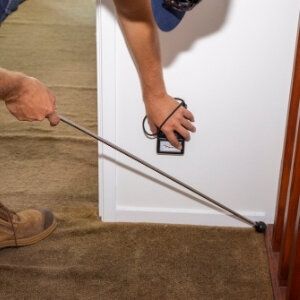
A termite bond is one of the better investments a Texas homeowner can make, full stop.
Technically, it’s a service contract between you and a licensed pest control company. Your property is inspected on a schedule, typically once a year, and the company agrees to retreat the property at no additional charge if termites are found during the bond term. Some bonds cover treatment only. Others extend to repairing structural damage caused by a reinfestation. The second type is worth more but costs more, so it’s worth asking upfront which one you’re actually being sold.
Pest control technicians also monitor the soil around your foundation, install bait stations, or apply liquid termiticide barriers depending on your property’s construction and risk profile. Homes on pier-and-beam foundations, common in older parts of San Antonio and Fort Worth, receive a different approach than slab-on-grade builds in newer suburban developments, because the crawl space access changes, as do the products and application methods that actually work.
For sellers, a transferable bond is particularly useful. A buyer walking into the transaction with an active warranty already in place feels less risk, which tends to mean smoother negotiations and fewer credits demanded at closing. An active bond removes one friction point from an already complicated process, and termite issues stall more sales than most sellers expect.
What a Termite Bond Doesn’t Cover
Even the best bond has limits, and sellers often discover those limits at exactly the wrong moment.
Old damage is what trips sellers up the most. If termites chewed through your floor joists three years ago and nobody treated them, a bond taken out today won’t cover repair costs for that old damage. Your contract covers reinfestation during the active bond period, not history. Sellers who buy a bond a few weeks before listing, hoping it provides a clean slate, sometimes end up disappointed.
Wood rot from moisture is another gray area. Termites thrive in damp conditions, so you’ll often find moisture damage alongside termite damage, but the bond contract draws a hard line between the two. Pest control companies inspect soil contact, check for moisture around the foundation, and note conducive conditions in their report. Fixing those conditions is the homeowner’s responsibility, not the pest control company’s.
Drywood termites complicate things further. Unlike their subterranean cousins, drywood termites don’t need soil contact and can infest structural wood, attic framing, or furniture without ever touching the ground. Some bonds don’t cover drywood species at all, so read the contract language carefully. Bond warranties also specify that if you miss your annual renewal payment, coverage lapses. Reinstating a lapsed bond often requires a new full inspection and possibly a fresh treatment at your expense.
How Much Does a Termite Bond Cost in Texas?
Some sellers hear “termite bond” and immediately picture a massive bill on top of everything else they’re already spending. The actual cost is more manageable than you’d think.
Annual bond maintenance in the Dallas-Fort Worth area typically runs between $200 and $400 per year, covering yearly inspections and retreatment if needed. Getting a full bond established from scratch, including the initial treatment, generally lands somewhere between $500 and $2,000, depending on your home’s square footage and the pest control company you choose. It’s worth shopping for multiple quotes.
The Texas Department of Agriculture licenses pest control companies under a specific termite category, so you’re not just picking from a general contractor list. Companies operating without that license don’t have the training to spot Formosan subterranean termite activity, which looks different from standard Eastern subterranean infestations.
Sellers who skip the bond to save a few hundred dollars sometimes end up offering a far larger credit at closing because the buyer’s lender flagged active mud tubes. The math rarely works out in the seller’s favor. If your home is in Collin County, Travis County, or any of the 30 Texas counties where Formosan termites have been confirmed, that protection is worth the cost. Homeowners in cities like Allen face the same risk, and if the repair math doesn’t pencil out, cash house buyers in Allen, TX can make an as-is sale simple.
Can You Transfer a Termite Bond to a New Homeowner?
Consider a family that inherits a house after a parent passes away, complete with decades of belongings and disagreements among the heirs about what to keep. Getting a property like that ready for a traditional sale can feel overwhelming. But if the previous owner kept an active, transferable termite bond with a national pest control company, that one detail can make the house significantly easier to move.
Many pest control companies allow bond transfers to a new owner, but the process isn’t automatic. Buyers pay a transfer fee, often in the $100 to $300 range, and the company may require a fresh inspection before coverage is transferred. Some warranties transfer free of charge as a selling incentive, so it’s worth calling your pest control company about their transfer policy before you list.
Buyers using FHA or VA financing sometimes face stricter lender requirements for pest inspection reports. Their lenders want to see an active bond or a clean Wood Destroying Insect report before they will fund. A transferable bond can satisfy that requirement and keep the transaction on schedule, which is why it’s worth confirming transferability before you list, not after an offer comes in.
Do You Need a Termite Bond to Sell a House in Texas?
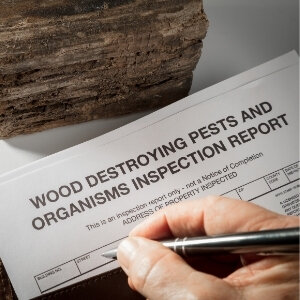
Here’s the direct answer: Texas law does not require a termite bond to sell your house.
What may be required is a Wood Destroying Insect inspection report, and that requirement usually comes from the buyer’s lender, not the state. FHA and VA lenders almost always require one. Conventional loan lenders may request it, too, though it’s not universal. The inspection itself runs roughly $75 to $150 in most Texas markets. That’s the inspection, not the bond.
What sellers sometimes miss is that the inspection report and the bond are different things. A termite inspection tells you whether an active infestation exists right now. A bond is an ongoing contract that ensures someone keeps watching. You can pass the inspection without having a bond, which leaves you covered for today but not for what happens after closing. If the inspector finds active termites or evidence of prior damage, you’re back at the negotiating table.
A documented termite history can weaken your negotiating position even after repairs are complete, simply because buyers price in the risk of recurrence. The financial case for staying on top of pest protection is strong regardless of what any lender requires. If you’re selling a property with known termite history and want to avoid the inspection process altogether, selling as-is to a company that buys houses in Texas is one way to skip that negotiation entirely.
Termite Bond vs. Homeowners Insurance: What’s the Difference?
Plenty of Texas homeowners carry a solid insurance policy and feel covered against pretty much anything. Then their home inspection turns up termite damage, and they call their insurance agent expecting a claim. The agent delivers the bad news: standard homeowners’ insurance policies don’t cover termite damage or the cost of pest control treatment. Insurers classify insects as a maintenance issue, in the same category as replacing a worn-out roof, leaving the homeowner to absorb the full financial hit.
That gap is real, and a termite bond helps fill it. Think of the bond as a service warranty on your pest protection, not an insurance policy. It guarantees that a licensed company will keep treating your property and will retreat at no charge if termites return during the contract period. It doesn’t replace your home insurance. It covers something your insurance won’t touch.
Some sellers try to use their home warranty instead. Home warranties generally exclude termites, too, unless the warranty was purchased with a new build that included a pest protection rider. For most resale properties in Texas, neither homeowners’ insurance nor a home warranty provides termite coverage. The bond stands alone.
How to Prevent Termite Infestations Before You Sell

What’s the single easiest thing a Texas homeowner can do to reduce termite risk before they even think about selling?
Pull the wood mulch away from the foundation. Wood mulch holds moisture against the soil right next to your house, and subterranean termites follow moisture like a map. Keeping mulch, firewood piles, and decorative wood borders at least 18 inches from your foundation removes one of their primary entry points. This applies everywhere from Austin’s Brentwood neighborhood to a front flowerbed in a Katy subdivision.
Keeping moisture away from your foundation matters just as much as chemical treatments. Gutters that drain away from the foundation, proper grading, and fixing any plumbing leaks under the house all reduce the conditions termites love. Standing water under a pier-and-beam home is practically an invitation.
Stored lumber against an exterior wall or on an enclosed porch is a common, avoidable mistake. Old fence boards, scrap wood, or firewood left in contact with a structure can give a colony everything it needs to move from the yard into the framing, sometimes for years before anyone notices. By the time a contractor or inspector finds it, the repair estimate can end up larger than whatever renovation the homeowner was originally planning.
Annual professional inspections are the safety net under it all. An inspector checking wood-to-soil contact, looking for mud tubes along the foundation, and probing suspicious areas will catch a new colony before it becomes a structural problem, leaving you with a localized treatment instead of a repair bill.
Frequently Asked Questions
Is It Hard to Sell a House That Has Had Termites?
Selling a home with past termite history isn’t impossible, but buyers will want documentation that the infestation was treated and that any damage was repaired. Having a termite treatment report and a current bond in place makes the conversation much easier. If repairs were never made and the damage is visible, expect buyers to negotiate hard or walk away. A direct buyer like House Buying Girls, meanwhile, will buy the house with the damage still in place.
Is It Bad to Not Have a Termite Bond?
Going without a bond isn’t illegal in Texas, but it leaves you exposed. If termites return after treatment and you have no active contract, you’re paying for retreatment out of pocket. Given how aggressive Formosan subterranean termites are in Houston, Dallas, and San Antonio, going unprotected carries real financial risk. If retreatment and repair costs climb past what you want to spend, cash home buyers in Houston, TX can buy the house as-is instead.
Do Realtors Have to Disclose Termites?
Texas sellers are legally required to disclose known material defects on the Seller’s Disclosure Notice, and active or past termite damage qualifies as such. Your real estate agent must help you fill out that form honestly. Failing to disclose known termite history can expose you to legal liability after the sale closes. When in doubt, disclose and document.
How Much Does a Termite Inspection Cost in Texas?
A standard termite inspection in Texas typically runs between $75 and $150 when done as part of a real estate transaction. More comprehensive Wood Destroying Organism inspections, which also cover wood-boring beetles and other wood-destroying pests, can cost a bit more. Some pest control companies include the inspection cost in a treatment package if active termites are found.
Ready to Sell Your Texas House As-Is?
If you’re sitting on a house with termite history, a lapsed bond, or repairs you just can’t afford to make, you don’t have to figure it all out before you sell. Contact us and talk through what you’re working with. No pressure, no obligation, just a straightforward conversation about what makes sense for your situation.
Helpful Texas Blog Articles
- Repair a Settling Foundation in Your Texas Home
- Selling Your Texas Home to a Bank
- Selling Your Parents’ House In Texas
- Sell A Portion Of Your House In Texas
- Selling A Mold-Affected House In Texas
- For Sale By Owner vs. Realtor In Texas
- Opting Out Of An HOA In Texas
- Termite Tenting Costs For Homes In Texas
- Listing Your Property on MLS in Texas
- Guide to For Sale By Owner Benefits in Texas
- Who Pays Real Estate Agents in Texas
- Can I Legally Sell My House to My Spouse
- Can an Administrator of an Estate Sell Property in Texas
- Selling Your Texas House Without A Real Estate Agent
- How To Avoid Closing Costs In Texas Legally